Nestled within the rich tapestry of Chinese cuisine, Jiangsu Lion’s Head meatballs have long been celebrated for their tender, succulent texture and comforting flavors. Traditionally crafted from finely minced pork, these iconic meatballs-named for their impressive size and resemblance to a lion’s mane-embody the heart of Jiangsu’s culinary heritage. But what if this beloved classic could be reimagined without meat, inviting vegetarians and curious food lovers alike to savor its essence? Enter the vegetarian Lion’s Head meatball: a thoughtfully crafted, plant-powered rendition that honors tradition while embracing modern palates. In this article, we’ll explore how this vegetarian delight captures the soul of Jiangsu’s iconic dish, proving that indulgence and compassion can harmoniously coexist on the plate.
Delving into the Heart of Jiangsu Lion’s Head Meatballs in Vegetarian Cuisine
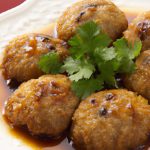
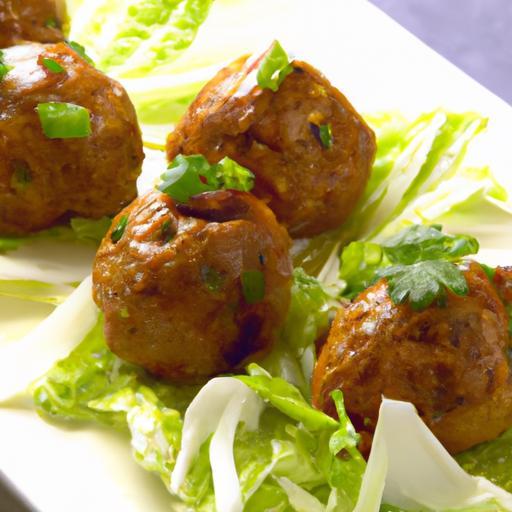
Savor Jiangsu Lion’s Head Meatballs: a vegetarian delight that masterfully blends tradition with plant-based innovation. This iconic Jiangsu dish, known for its oversized, tender meatballs simmered in a fragrant broth, has inspired a lush vegetarian reinterpretation that celebrates authentic flavors while honoring its cultural roots. My first encounter with these vegetarian lion’s head meatballs at a small local eatery in Suzhou sparked a passion for recreating their luscious texture and umami depth using wholesome, plant-based ingredients. The result is a dish that captivates both the eyes and palate-a beautifully balanced harmony of softness, savory richness, and subtle aromatics.
Prep and Cook Time
- Readiness: 30 minutes
- Cooking: 40 minutes
- Total Time: 1 hour 10 minutes
Yield
Serves 4 generous portions
Difficulty Level
Medium – Requires some hands-on shaping and careful simmering
Ingredients
- 300g firm tofu,pressed and crumbled
- 150g shiitake mushrooms,finely chopped
- 100g cooked lotus root,grated
- 1/2 cup cooked glutinous rice,cooled
- 2 green onions,finely sliced
- 1 tbsp soy sauce
- 1 tsp sesame oil
- 1 tsp freshly grated ginger
- 2 cloves garlic,minced
- 1/4 cup cornstarch
- 1/4 cup vegetable broth
- 200g Napa cabbage leaves,blanched
- Salt and white pepper,to taste
- Oil for pan-frying
- For the braising broth:
- 2 cups vegetable broth
- 2 tbsp Shaoxing wine (optional)
- 1 tbsp light soy sauce
- 1 tsp sugar
- 2 slices fresh ginger
- 2 stalks green onion
Instructions
- Prepare the tofu: Wrap tofu in a clean kitchen towel and press for 15 minutes to remove excess moisture. Crumble into a large bowl.
- Sauté mushrooms and aromatics: Heat 1 tbsp oil in a pan over medium heat. Add garlic, ginger, and chopped shiitake mushrooms. Sauté until mushrooms release moisture and become tender, about 5 minutes. Let cool slightly.
- Mix the meatball base: in a large mixing bowl, combine crumbled tofu, sautéed mushrooms, grated lotus root, cooked glutinous rice, sliced green onions, soy sauce, sesame oil, cornstarch, salt, and white pepper. Stir well until the mixture binds together. adjust salt to taste.
- Shape the meatballs: Using wet hands,form the mixture into 6 large,round meatballs,about the size of a small fist.Wrap each meatball snugly with a blanched Napa cabbage leaf, pinching edges to seal.
- Pan-fry the meatballs: Heat 2 tbsp oil in a wide skillet over medium heat. Gently place meatballs and cook until golden brown on all sides, turning carefully to avoid breaking, about 8 minutes total.
- Prepare the braising broth: In a deep pot, combine vegetable broth, Shaoxing wine, light soy sauce, sugar, ginger slices, and green onion stalks. Bring to a gentle simmer over medium heat.
- Braise the meatballs: Transfer browned meatballs to the simmering broth. Cover and simmer gently for 25-30 minutes, allowing flavors to penetrate and the texture to soften gloriously.
- Finishing touch: Remove meatballs carefully, discard ginger and green onion stalks from broth, and ladle the flavorful broth over meatballs when serving.
Tips for success
- Texture balance: The lotus root adds a subtle crunch and structural integrity-don’t skip it.
- binding tricks: Cornstarch helps hold the mixture together but avoid overmixing to keep a light texture.
- Make-ahead: Form meatballs up to a day in advance; store covered in the fridge and gently cook when ready.
- Variations: Substitute shiitake with king oyster mushrooms for a meatier bite or add finely chopped water chestnuts for extra crunch.
- Glutinous rice: Acts as a natural binder and gives a comforting chew-do use instead of regular rice.
Serving Suggestions
place the aromatic meatballs on a shallow platter, spoon warm braising broth around them, and garnish with finely shredded scallions and a drizzle of toasted sesame oil. Accompany with steamed jasmine rice or delicate stir-fried greens like garlic bok choy. For a complete Jiangsu-style vegetarian feast, try pairing these meatballs with a side of light vegetable broth soup and a refreshing cold cucumber salad dressed with rice vinegar and chili flakes.
| Nutrient | Per Serving |
|---|---|
| Calories | 280 kcal |
| Protein | 15 g |
| Carbohydrates | 22 g |
| Fat | 12 g |

For more inspiration on vegetarian Chinese classics, explore this complete guide to Vegetarian Chinese Recipes at Serious Eats.
Q&A
Q&A: Savor Jiangsu Lion’s Head Meatballs - A Vegetarian Delight
Q1: What are Jiangsu Lion’s Head Meatballs traditionally, and how do they differ in this vegetarian version?
A: Traditionally, Jiangsu Lion’s Head Meatballs are large, succulent pork meatballs braised until tender, embodying the rich culinary heritage of Eastern China’s Jiangsu province.The vegetarian delight reimagines this classic by replacing pork with plant-based ingredients such as shiitake mushrooms, tofu, and glutinous rice, preserving the dish’s signature texture and depth of flavor without the meat.
Q2: Why are these vegetarian Lion’s Head Meatballs worth trying?
A: Beyond being a feast for the eyes, these vegetarian meatballs offer a unique umami-packed experience. They marry the comforting juiciness of the original with healthy, wholesome components that appeal not just to vegetarians, but anyone curious to explore flavorful alternatives. Their hearty texture and savory broth make them a satisfying centerpiece for any meal.
Q3: How are the vegetarian Lion’s Head Meatballs prepared to achieve that traditional ‘lion’s head’ texture?
A: Achieving the iconic “lion’s head” softness stems from a delicate balance of ingredients and techniques. Firm yet tender tofu is mashed and combined with finely chopped mushrooms and water chestnuts for a mix of softness and bite. Glutinous rice is sometimes added to bind and add chewiness.Steaming the formed balls gently locks in moisture, ensuring they stay tender and luscious through braising.
Q4: What flavors define the Jiangsu version of these vegetarian meatballs?
A: The Jiangsu style emphasizes subtle sweetness alongside savory depth. A light soy-based sauce, often infused with Shaoxing wine, ginger, and a touch of sugar, creates a glossy, fragrant coat. The broth is typically clear but rich, ensuring the natural flavors of the ingredients shine through without overpowering.
Q5: Can these vegetarian Lion’s Head Meatballs be enjoyed year-round?
A: Absolutely! Their warming, hearty nature makes them perfect for chilly winter nights, but their balanced flavors and relatively light preparation also lend themselves well to spring and autumn dinners. they pair beautifully with steamed greens or a bowl of fragrant jasmine rice, making them a versatile delight for every season.
Q6: Where can one find or learn to make vegetarian Jiangsu Lion’s Head Meatballs?
A: Many modern Chinese vegetarian restaurants now embrace innovative takes on classics like lion’s head. For home chefs, numerous recipes and cooking videos are available online, guiding cooks through step-by-step processes to recreate this dish. Experimenting with ingredient substitutions and sauces allows you to tailor this dish to your own palate.
Q7: What makes this dish an exciting addition to vegetarian cuisine?
A: It challenges the notion that vegetarian dishes must be simple or bland by delivering complex textures and layers of flavor inspired by one of China’s most beloved meat-centric dishes. as a cultural culinary reinvention, it celebrates tradition while honoring modern dietary preferences – a true testament to the adaptive and creative spirit of food.
in Conclusion
As the aromatic steam settles and the rich blend of flavors lingers on your palate, savoring Jiangsu Lion’s Head Meatballs need not be a journey reserved for meat lovers alone. This vegetarian rendition not only honors the timeless tradition of Jiangsu cuisine but also invites a fresh outlook, proving that indulgence and compassion can coexist on one plate. Whether you’re a seasoned foodie or a curious newcomer, these succulent, plant-based meatballs offer a delicious gateway into the vibrant world of Chinese gastronomy-a culinary experience where culture, creativity, and conscience come together in perfect harmony. So next time you crave a classic, remember: sometimes the heartiest lion’s roars come from the humblest roots.