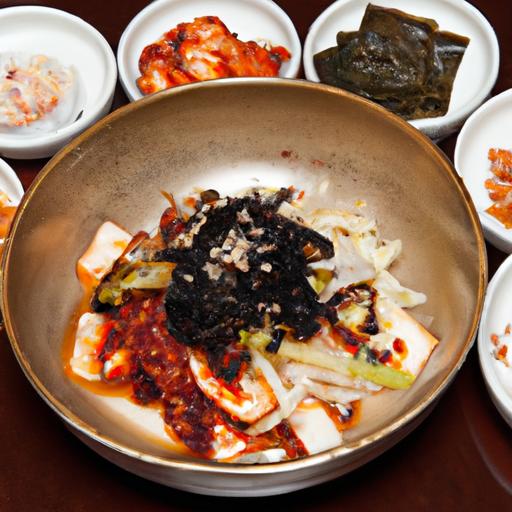

Step into a world where every bite tells a story, and flavors dance on your palate with vibrant intensity. Korea’s culinary landscape is a treasure trove of time-honored traditions, bold spices, and harmonious textures that have captivated food lovers across the globe. In “Savor Korea: A Guide to Iconic Korean Main Dishes Unveiled,” we embark on a savory journey through the heart of Korean cuisine, uncovering the rich history and unique ingredients behind its moast beloved dishes. Whether you’re new to Korean food or a seasoned enthusiast, prepare to awaken your senses and deepen your appreciation for the dishes that define this dynamic culture. ready your chopsticks-flavorful discoveries await.
Exploring the Rich Flavors of Korean Barbecue classics
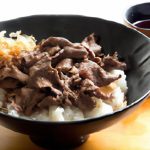
Savor Korea: A Guide to Iconic Korean Main Dishes Unveiled opens with the irresistible allure of Korean barbecue, a culinary experience that is both communal and flavorful. Among the barbecue classics, Bulgogi (marinated grilled beef) stands out as a dish that beautifully balances sweet, savory, and smoky notes.Originating from the joseon Dynasty, Bulgogi was once a royal delicacy but has grown into a beloved Korean comfort food today. My first taste of it under a glowing grill in Seoul ignited a passion for Korean cuisine that still burns shining.
Prep and Cook Time
- Readiness Time: 20 minutes
- Marinating Time: 1-2 hours (recommended)
- Cooking Time: 10 minutes
Yield
Serves 4 people
Difficulty Level
Medium
Ingredients
- 500g thinly sliced beef ribeye or sirloin
- 1/4 cup soy sauce
- 2 tbsp brown sugar
- 1 tbsp sesame oil
- 3 garlic cloves, minced
- 1 small onion, finely grated
- 1 tbsp shredded Asian pear (optional but traditional)
- 2 green onions, chopped
- 1 tsp freshly ground black pepper
- 1 tbsp toasted sesame seeds
- 1/2 tsp ginger juice or freshly grated ginger
- 1 tbsp cooking oil (for grilling or pan-frying)
Instructions
- prepare the marinade: In a medium bowl, combine soy sauce, brown sugar, sesame oil, minced garlic, grated onion, Asian pear, green onions, black pepper, sesame seeds, and ginger juice. Whisk thoroughly until sugar dissolves.
- Marinate the beef: Add the thinly sliced beef to the marinade,tossing to coat evenly. Cover with plastic wrap and refrigerate for at least 1 hour (up to 2 hours) to tenderize and infuse flavors.
- Preheat the grill or skillet: Heat a grill pan or cast-iron skillet over medium-high heat.Add 1 tablespoon of cooking oil, spreading it evenly to prevent sticking.
- Cook the beef: Working in batches, cook the marinated beef slices for about 2-3 minutes per side, turning once. Look for a stunning caramelized crust while ensuring the meat remains juicy and tender.
- Rest briefly: Remove cooked beef and let rest for 2 minutes to allow juices to redistribute.
- Serve immediately: Arrange grilled bulgogi on a platter, sprinkle with extra toasted sesame seeds and additional chopped green onions if desired.
Chef’s Tips for Success
- Use thin slices: For authentic texture, ask your butcher for meat sliced 1/8 inch thick or freeze the beef for 30 minutes before slicing yourself to achieve thin, even pieces.
- Asian pear substitute: If unavailable, a small apple or kiwi can serve as a tenderizing and sweetening option.
- Grill vs. pan-fry: Traditional korean barbecue uses an open flame grill; however, a hot skillet works perfectly for an indoor-amiable version.
- Make-ahead: Marinade can be prepared the night before to deepen flavor complexity.
- Vegetarian variation: Swap beef with thickly sliced king oyster mushrooms for a hearty, umami-packed alternative.
Serving Suggestions
Bulgogi pairs perfectly with a bowl of steamed jasmine rice and a vibrant assortment of kimchi and freshness-packed ssamjang dipping sauce. For a truly immersive experience, serve wrapped in crisp ssam leaves (lettuce or perilla) along with sliced garlic, chili peppers, and a small dab of ssamjang on top. A cold glass of korean barley tea or makgeolli rounds out the meal.

| Nutritional Info (per serving) | Calories | Protein | Carbohydrates | Fat |
|---|---|---|---|---|
| Bulgogi | 320 kcal | 28g | 12g | 18g |
For more on Korean rice dishes and cultural insights, check out this Korean Bapsang blog, a treasure trove of traditional recipes and stories.
Q&A
Q&A: Savor Korea – A Guide to Iconic Korean Main Dishes Unveiled
Q1: What makes Korean cuisine stand out in the global food scene?
A1: Korean cuisine is a vibrant symphony of bold flavors, harmonious textures, and colorful presentations. It balances the spicy,sweet,sour,and savory in ways that excite the palate.Beyond taste, Korean food is deeply connected to culture and tradition, often reflecting seasonal ingredients and communal dining that fosters togetherness.
Q2: Which Korean main dish is a must-try for first-timers?
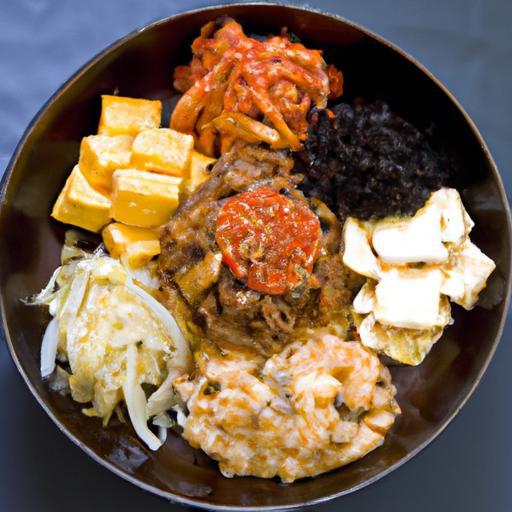
A2: Bibimbap is often the gateway dish for newcomers.This visually stunning bowl of warm rice topped with an array of seasoned vegetables, spicy gochujang sauce, and a fried egg is both comforting and bursting with layered flavors. It’s a perfect introduction to the balance and complexity of korean cooking.
Q3: How does kimchi fit into the main dish experience?
A3: Kimchi isn’t just a side dish – it’s the heartbeat of Korean meals. this fermented cabbage (or radish) imbues dishes with a spicy, tangy, umami kick that enhances every bite. Many main dishes, like kimchi jjigae (kimchi stew), even center around kimchi itself, highlighting its versatility and depth.
Q4: Can you recommend a hearty Korean dish for meat lovers?
A4: Bulgogi is the quintessential Korean barbecue staple that meat enthusiasts will adore. Thin slices of marinated beef, grilled to perfection with a sweet-savory glaze, create an irresistible flavor explosion. Pair it with fresh lettuce leaves,garlic,and ssamjang (spicy dipping sauce) for the full experience.
Q5: What about vegetarian or vegan-friendly Korean main dishes?
A5: Korean cuisine offers plenty for plant-based eaters too! Japchae, stir-fried glass noodles with colorful vegetables, is flavor-packed and satisfying. Another favorite is doenjang jjigae, a fermented soybean paste stew loaded with tofu and veggies, delivering hearty umami notes without meat.Q6: How meaningful is presentation in Korean main dishes?
A6: Presentation in Korean cuisine is an art form. The vibrant colors and carefully arranged ingredients not only please the eye but also balance tastes and textures. Think of it as a culinary painting where every element has its place, inviting diners to savor with all senses.
Q7: What should travelers know about Korean dining culture when enjoying these dishes?
A7: Korean dining is often a shared experience, with several dishes placed in the center to be enjoyed communally. Using chopsticks and spoons is standard, and etiquette like waiting for elders to start eating is important. Embracing these customs adds depth to the meal and honors Korean hospitality.
Q8: Where can one find authentic Korean main dishes outside Korea?
A8: Authenticity can vary, but seeking out Korean restaurants run by native chefs or family-owned establishments often guarantees a genuine taste. Many cities have burgeoning Korean food scenes, and increasingly, specialty markets and online shops allow adventurous home cooks to bring Korean flavors into their kitchens.
Q9: Any tips for cooking iconic Korean dishes at home?
A9: Start with quality ingredients – fresh vegetables, good rice, and authentic sauces like gochujang and doenjang. Don’t rush the fermentation if making your own kimchi! Embrace layering flavors by marinating properly and balancing heat with sweetness or acidity. Most importantly, enjoy the process – Korean cooking is as much about love and patience as it is about flavor.
Whether you’re new to Korean cuisine or seeking to deepen your palate,these iconic dishes invite you into a world rich with heritage,flavor,and communal warmth. Savor Korea: it’s more than food – it’s an experience.
The Way Forward
As we close this flavorful journey through Korea’s iconic main dishes, it’s clear that each bite carries a story-of history, culture, and passion simmered into every ingredient.Whether it’s the fiery warmth of kimchi jjigae, the delicate harmony of bibimbap, or the smoky allure of bulgogi, these dishes invite more than just taste; they invite connection. so, next time you find yourself craving something truly unforgettable, remember that savoring Korea is more than a meal-it’s an experience waiting to unfold, one delicious spoonful at a time.