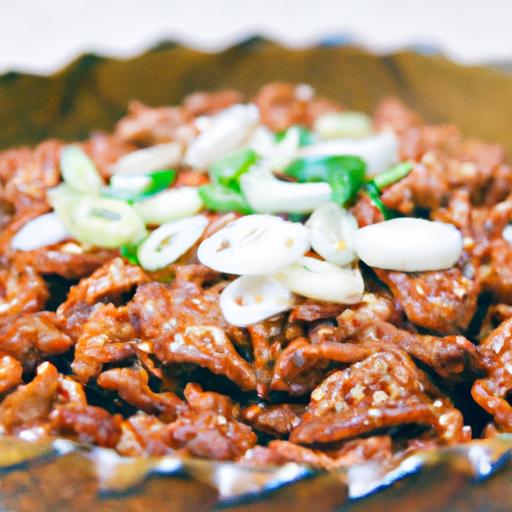
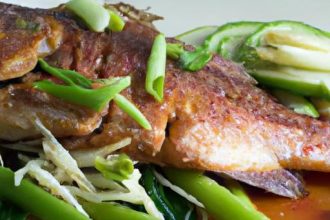
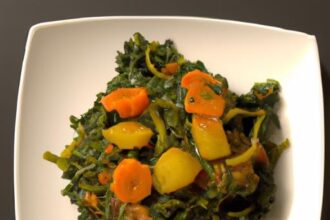
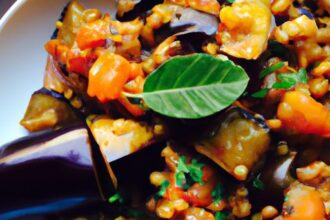
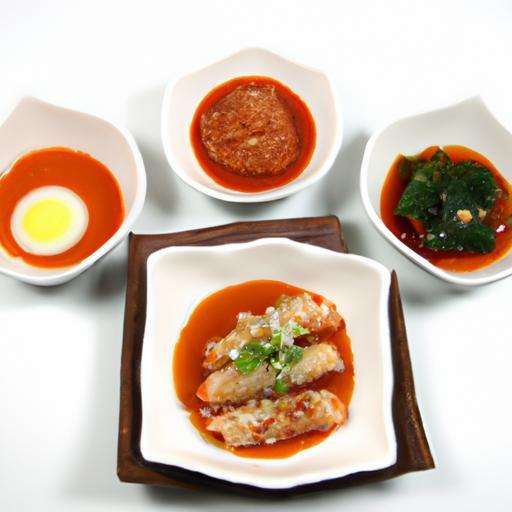
Step onto the bustling streets of Korea,where a symphony of sizzling sounds,vibrant colors,and tantalizing aromas awaits at every corner. Korean street food isn’t just a meal-it’s an experience, a appetizing journey weaving through centuries of tradition and innovation. From crispy, golden tteokbokki to sweet, sticky hotteok, each bite reveals a story rich in flavor and culture. In this guide, we invite you to savor the irresistible tastes that have made Korea’s street food scene a global sensation, uncovering hidden gems and must-try treats that promise to delight your palate and ignite your culinary curiosity.
Savor the Flavors: An irresistible journey into Korean street food begins with iconic staples that reveal the heart and soul of this vibrant culinary culture. From the sizzling teokbokki rice cakes to the crispy hotteok pancakes, each bite tells a story steeped in tradition and innovation. One of my most unforgettable adventures was wandering through Busan’s bustling Jagalchi Market, where the scent of freshly fried squid mingled with spicy gochujang sauces-memories forever engraved, inspiring this exploration of hidden gems and regional specialties that deserve a place on your plate.
Prep and cook Time
- Preparation: 20 minutes
- Cooking: 30 minutes
- Total Time: 50 minutes
Yield
Serves 4 street food lovers
Difficulty Level
Medium - Perfect for adventurous home cooks eager to recreate authentic Korean snacks
Ingredients
- 1 cup Korean rice cakes (tteok), soaked in warm water for 10 minutes
- 1/2 cup fish cake, sliced into bite-sized ribbons
- 2 tbsp gochujang (Korean chili paste)
- 1 tbsp gochugaru (Korean chili flakes)
- 2 tbsp soy sauce
- 1 tbsp sugar
- 1 1/2 cups anchovy broth or water
- 2 cloves garlic, minced
- 1 tsp sesame oil
- 1/4 cup chopped green onions
- 1 tbsp toasted sesame seeds
- Optional: hard-boiled eggs for garnish
Instructions
- Prepare the broth: If using anchovy broth, bring 1 1/2 cups to a simmer in a medium pan. Alternatively, use water for a milder base.
- Mix sauces: In a small bowl, combine gochujang, gochugaru, soy sauce, sugar, and minced garlic. Stir until smooth.
- Add rice cakes and fish cakes: Drain the soaked rice cakes and add them, along with fish cakes, to the simmering broth.
- Incorporate sauce mixture: Slowly add the chili paste mixture to the pan, stirring gently to avoid clumping. Let it simmer on medium heat for 10-15 minutes, stirring occasionally until the sauce thickens and coats the ingredients beautifully.
- Final touches: Stir in sesame oil and half the green onions. cook an additional 2-3 minutes until everything is tender and flavors meld perfectly.
- Garnish and serve: transfer to a warm bowl and sprinkle with toasted sesame seeds and remaining green onions.Add halved hard-boiled eggs if desired for an authentic touch.
Chef’s Notes: Tips for Success
- Rice Cake Texture: Fresh rice cakes are soft but slightly chewy. If frozen, soak longer and boil a minute extra to avoid toughness.
- Broth Alternatives: For vegetarian options, use kelp and shiitake mushroom broth rather of anchovy to maintain depth of flavor.
- Spice Level: Adjust gochugaru amount to control heat intensity. If you prefer milder dishes, reduce by half or omit.
- Make-ahead: Sauce can be prepared ahead and refrigerated. Simply warm gently before adding to rice cakes.
- Crunchy Contrast: Serve alongside crispy twigim (Korean tempura) or fried dumplings to balance textures.
Serving Suggestions: Elevate Your Korean Street Food Experience
Present this spicy tteokbokki in shallow bowls with colorful garnishes like fresh green onions and sesame seeds to highlight its vivid hues.Pair it with makgeolli, a traditional Korean rice wine with a sweet-tart fizz that perfectly complements the fiery, savory tones. For those seeking a non-alcoholic pairing that brings out the complexity of the flavors, iced barley tea (boricha) offers a smoky, refreshing balance. Consider setting a platter alongside small cups of traditional Korean teas to frame a multi-sensory tasting adventure that echoes the vibrant food market atmosphere.

| Nutrient | per Serving |
|---|---|
| Calories | 320 kcal |
| Protein | 8 g |
| Carbohydrates | 45 g |
| Fat | 6 g |
Q&A
Q&A: Savor the Flavors - A Guide to Irresistible Korean Street food
Q1: What makes Korean street food so uniquely mouthwatering?
A: Korean street food is a vibrant tapestry of bold flavors, textures, and aromas that dance on your palate. From the spicy kick of tteokbokki’s gochujang sauce to the crispy,golden crunch of hotteok,each bite tells a story steeped in tradition and creativity. The blend of sweet, savory, and spicy elements creates a flavor symphony that’s both comforting and exhilarating.
Q2: Which Korean street food dishes should beginners absolutely try first?
A: For those just starting their korean street food journey, you can’t go wrong with tteokbokki-chewy rice cakes swimming in a fiery red sauce-plus savory fish cakes (odeng) served on skewers, and hotteok, the sweet filled pancakes oozing with brown sugar and nuts. These staples are iconic, easy to find, and offer a perfect introduction to Korean flavors.
Q3: Are there any lesser-known Korean street foods that deserve the spotlight?
A: Absolutely! While dishes like mandu (dumplings) and twigim (fried snacks) are popular, try discovering bungeoppang-fish-shaped pastries filled with sweet red bean paste-or dalkkochi, succulent grilled chicken skewers glazed with a tantalizing sauce. These hidden gems deliver unique tastes that frequently enough surprise and delight food adventurers.Q4: How does Korean street food reflect the culture and history of Korea?
A: Korean street food is more than just a quick bite; it’s a reflection of the country’s resilience and innovation. Post-war street vendors transformed simple ingredients into ingenious snacks that fuel busy workers and students. The spices echo Korea’s love for lively, energetic flavors, while communal eating of these street delicacies fosters a sense of connection and shared joy.
Q5: What’s the best way to enjoy korean street food like a local?
A: Dive into the bustling street markets with an open heart and empty stomach! Try mixing different foods-balance spicy with sweet, crispy with chewy. don’t hesitate to eat on the go, standing at a vendor’s stall, chatting with the friendly sellers. And of course, pair your food with a cold bottle of Korean soda or sweet rice drink for the full authentic experience.
Q6: Can Korean street food be adapted for those with dietary restrictions?
A: While traditional recipes often include seafood,meat,and gluten,many dishes can be adapted. As an example,vegetable twigim or kimchi pancakes can be made vegetarian,and rice-based snacks like tteokbokki are naturally gluten-free-just watch the sauce ingredients. With a little creativity, the vibrant spirit of Korean street food can be enjoyed by nearly everyone!
Q7: Where are the best places outside Korea to find authentic Korean street food?
A: Major cities with vibrant Korean communities, like Los Angeles, New York, and London, boast lively street food festivals and eateries inspired by Korea’s night markets. Look for pop-up food trucks, Korean markets, or restaurants that specialize in street-style dishes-many chefs bring authentic recipes and techniques overseas, keeping the tastes of Korea alive worldwide.
Embrace the adventure of Korean street food-each bite offers a flavorful passage to Korea’s lively streets and timeless culinary spirit!
The Conclusion
As the bustling streets of Korea come alive with the sizzle of grills and the sweet aroma of spices, each bite offers a story steeped in tradition and innovation. Weather you’re drawn to the crispy crunch of hotteok or the fiery allure of tteokbokki, Korean street food invites you to savor not just the flavors, but the vibrant culture behind them. So next time you wander through the lively night markets or recreate these dishes at home, remember: every morsel is a delicious gateway to the heart of Korea’s culinary heritage. Embrace the adventure, one irresistible bite at a time.