



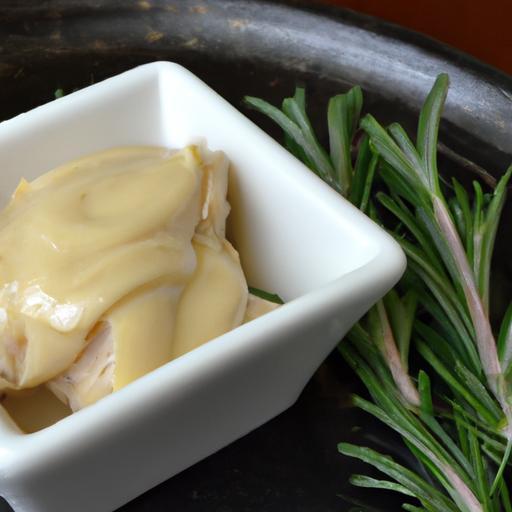
There’s a certain magic in teh art of sauce-making-a silent alchemy that transforms simple ingredients into the soul of a dish. English cuisine, rich with history and character, boasts a collection of classic sauces that have been lovingly perfected over generations. From the velvety warmth of a traditional gravy to the tangy zest of a mustard sauce, these homemade staples carry stories of hearth and home. In this article, we invite you to savor tradition as we delve into the time-honored methods of crafting classic English sauces-revealing not just recipes, but the heritage and heart behind every luscious spoonful. Whether you’re an ambitious cook or a curious foodie, prepare to unlock the flavors that have quietly shaped England’s culinary identity.
Savor Tradition: Crafting Classic Homemade English Sauces uncovers the rich heritage and culinary precision behind England’s iconic sauces, transforming simple meals into timeless feasts. These sauces, steeped in history and regional nuances, invite you to explore authentic ingredients and classic techniques that elevate comfort food into an art form.
Prep and Cook Time
- Readiness: 15 minutes
- Cooking: 25 minutes
- Total Time: 40 minutes
Yield
Approximately 4 servings (about 1 cup sauce each)
Difficulty Level
Medium – Ideal for home cooks seeking to deepen their culinary skills
Ingredients
- 2 tbsp unsalted butter, softened
- 2 tbsp all-purpose flour, sifted
- 1 ½ cups beef or veal stock, preferably homemade or low-sodium
- 1 tbsp Worcestershire sauce
- 1 tsp Dijon mustard
- 1 small shallot, finely minced
- 1 tsp fresh thyme leaves
- Salt and freshly ground black pepper, to taste
- 1 tsp malt vinegar (optional, for brightness)
Instructions
- Melt butter in a medium saucepan over medium heat until foam begins to subside.
- Add minced shallot and sauté until translucent, about 3 minutes, stirring frequently to avoid browning.
- whisk in the sifted flour to create a smooth roux.cook for 2-3 minutes,stirring constantly to eliminate the raw flour taste and achieve a subtle golden color.
- Gradually pour in the stock, whisking vigorously to prevent lumps. Keep the heat steady and bring the mixture to a gentle simmer.
- Incorporate Worcestershire sauce, dijon mustard, and fresh thyme. Stir well, letting the flavors marry for 10 minutes. The sauce should thicken to coat the back of a spoon.
- taste and season with salt,freshly ground black pepper,and malt vinegar,if using,to balance richness with acidity.
- Remove from heat and strain through a fine mesh sieve for an impeccably smooth texture (optional but recommended).
- Serve promptly or keep warm over a gentle simmer, stirring occasionally to maintain consistency.
Tips for Success
- Stock matters: Using a rich, homemade stock profoundly enhances depth. If store-bought, choose low-sodium and enrich with roasted bone drippings or caramelized onions for complexity.
- Roux patience: Cooking the roux just right is key – too pale and yoru sauce may taste floury; too dark and it’ll become bitter. Aim for a light golden hue for classic English gravies.
- Flavor balance: The combination of Worcestershire sauce’s umami and mustard’s gentle heat harmonizes the sauce; don’t rush adding them. Build flavors gradually and taste frequently.
- Texture perfection: For impeccable smoothness, whisk continuously when adding stock and consider straining. Avoid boiling vigorously to prevent breaking the sauce.
- Make-ahead: Prepare the sauce in advance and refrigerate; reheat gently while whisking with a splash of stock or water to refresh consistency.
Serving Suggestions
Warm this classic English sauce over your favorite hearty dishes-think roast beef, Yorkshire pudding, or bangers and mash. Garnish with a sprinkle of fresh thyme or finely chopped flat-leaf parsley for herbal vibrancy and visual appeal. Pair alongside creamy mashed potatoes or buttered seasonal greens to complete an authentically british feast.

| nutrient | Per Serving |
|---|---|
| Calories | 110 kcal |
| Protein | 4 g |
| Carbohydrates | 7 g |
| Fat | 7 g |
Discover more traditional British recipes by visiting our Classic English roast Beef Guide, and for a deeper ancient outlook on English sauces, the Britannica English Cuisine Overview is an excellent resource.
Q&A
Q&A: Savor Tradition – Crafting Classic Homemade English Sauces
Q1: Why should I bother making english sauces from scratch when I can buy them ready-made?
A1: While store-bought sauces often boast convenience, nothing rivals the depth, authenticity, and nuanced flavors of a homemade English sauce. Crafting these sauces yourself is like unlocking a culinary time capsule-each spoonful tells a story of heritage, care, and culinary artistry that mass production simply can’t replicate.
Q2: What are some iconic English sauces every home cook should try making?
A2: The classics include rich brown Sauce (think HP Sauce), tangy English Mustard, the creamy delight of parsley Sauce, traditional Mint Sauce that perfectly complements lamb, and the ever-comforting Bread Sauce. Each one carries centuries of tradition and brings a unique character to the meal.
Q3: Are traditional English sauces difficult to prepare?
A3: far from it! Many of these sauces require humble pantry staples and straightforward methods, often simmering gently to develop their signature flavors. The real trick is patience and passion-slow cooking lets the ingredients meld while you savor the comforting aroma filling your kitchen.
Q4: How can English sauces elevate everyday meals?
A4: These sauces are not just condiments; they’re flavor transformers. A dollop of sharp English Mustard can brighten sausages, a drizzle of Mint Sauce can refresh roast lamb, and a hearty splash of Brown Sauce can enliven a full English breakfast. They turn ordinary dishes into soulful experiences steeped in tradition.
Q5: Can I adapt these classic sauces for dietary preferences or modern twists?
A5: Absolutely! Traditional English sauces frequently enough rely on simple, natural ingredients, making them highly adaptable. For a vegan twist, substitute dairy or honey with plant-based alternatives, or experiment with herbs and spices to suit your palate-while still honoring the essence of the original recipes.
Q6: Where do English sauces fit into today’s diverse culinary landscape?
6: English sauces are timeless bridges between the past and present, inviting home cooks to connect with cultural roots.They complement both rustic British fare and global cuisines alike-proving that tradition and innovation can join together beautifully on your plate.
Q7: What’s the best way to store homemade English sauces?
A7: Treat your sauces like liquid treasures! Most keep well in airtight jars refrigerated for up to two weeks. Some, like Brown Sauce, even benefit from sitting a day or two as flavors mature. Just give them a good stir before serving, and your homemade helpings of heritage will be ready whenever you crave them.
Key Takeaways
As you’ve journeyed through the rich tapestry of classic English sauces, it’s clear that these timeless recipes are more than mere condiments-they are flavorful narratives passed down through generations. Crafting these homemade delights invites you not only to savor tradition but also to connect with a heritage of culinary artistry that elevates every meal. So next time you stir a pot of tangy brown sauce or whisk a silky custard, remember: you’re doing more than cooking-you’re keeping a delicious legacy alive, one spoonful at a time.