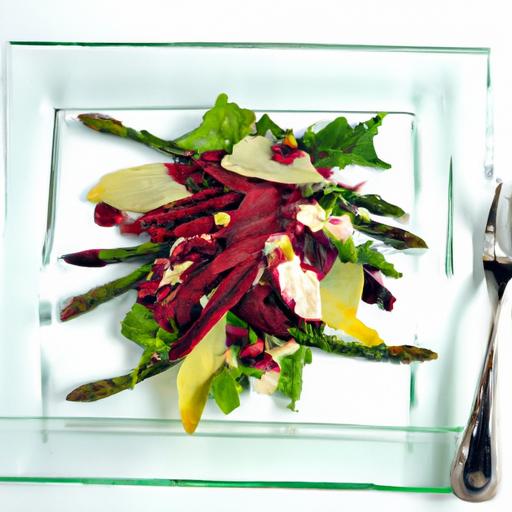


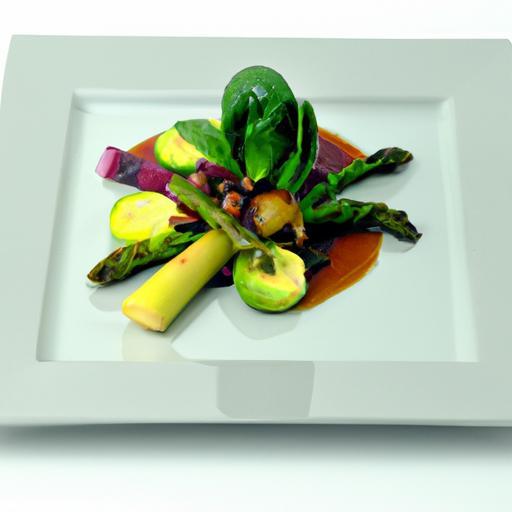
Savoring Europe means embracing a continent where culinary heritage, local ingredients, and mindful traditions shape every dish, and this new awareness is inspiring a movement rooted in sustainability. As Savoring Europe becomes increasingly connected to environmental consciousness, travelers and food lovers alike are discovering how sustainable choices enhance both flavor and responsibility. From bustling markets in Provence to community-supported farms in Tuscany, Savoring Europe reveals how conscious eating honors the land, preserves tradition, and supports eco-friendly food systems. Whether exploring plant-forward options or reducing waste through smarter cooking, Savoring Europe encourages a deeper connection between what we eat and how it impacts our planet. This transformation proves that Savoring Europe is not just about cuisine—it’s about nurturing a richer, greener, more responsible food future.
Savoring Europe: Embracing Local flavors with a Rustic Ratatouille
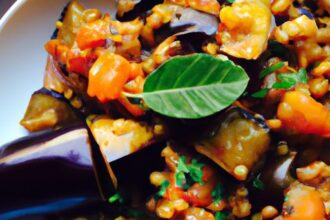
Savoring Europe continues through the joy of preparing simple, wholesome recipes that celebrate local and seasonal produce, and Rustic Ratatouille perfectly embodies this philosophy. As you cook with Mediterranean vegetables and fragrant herbs, Savoring Europe becomes a hands-on experience in sustainability, showing how eco-conscious habits elevate everyday meals. Inspired by Provençal markets overflowing with color and aroma, Savoring Europe invites you to choose ingredients that are fresh, regional, and environmentally considerate. This approach makes Savoring Europe a pathway to reconnecting with nature’s rhythms and the continent’s culinary roots. Ultimately, Savoring Europe transforms each recipe into a celebration of flavor, heritage, and sustainability—proving that responsible cooking is as delicious as it is meaningful.
Prep and Cook Time
- Prep Time: 20 minutes
- Cook Time: 40 minutes
Yield
- Serves 4 generously
Difficulty Level
- Easy to Medium
Ingredients
- 3 tablespoons extra virgin olive oil, cold-pressed
- 1 medium eggplant, diced into 1-inch cubes
- 2 medium zucchinis, sliced into rounds
- 1 red bell pepper, deseeded and chopped
- 1 yellow onion, finely chopped
- 3 cloves garlic, minced
- 4 ripe tomatoes, peeled and chopped (or 1 cup canned San Marzano tomatoes)
- 1 teaspoon herbes de Provence (or a mix of dried thyme, rosemary, and oregano)
- Salt and freshly ground black pepper, to taste
- Fresh basil leaves and chopped flat-leaf parsley, for garnish
Instructions
- Prepare your vegetables: Rinse and pat dry all produce. Dice and slice ingredients as described to ensure even cooking.
- Heat olive oil: In a large skillet over medium heat, warm the extra virgin olive oil until shimmering but not smoking.
- Sauté eggplant: Add the eggplant cubes and cook until golden and softened, about 7-8 minutes. Stir frequently to prevent sticking and allow even browning.
- Add zucchini and bell pepper: Toss the sliced zucchini and chopped bell pepper into the pan. Sauté for another 5 minutes until they begin to soften but retain texture.
- Incorporate onion and garlic: Push vegetables to the side, add onions and garlic, sauté until fragrant and translucent, about 3 minutes. Mix all together.
- Add tomatoes and herbs: stir in chopped tomatoes and herbes de Provence. Season generously with salt and pepper. Reduce heat to low and cover.
- Simmer gently: Allow the ratatouille to cook for 20 minutes, stirring occasionally. The vegetables should be tender, and the sauce thickened beautifully.
- Adjust seasoning and finish: Taste and adjust salt and pepper if needed. Remove from heat and let the flavors meld for 5 minutes before serving.
Chef’s notes
- Variations: Swap out vegetables depending on what’s seasonal-yellow squash, green beans, or even tender young carrots make great additions.
- Substitutions: For a smoky depth, roast the eggplant and peppers before adding to the pan.
- Make-ahead tip: Ratatouille tastes even better the next day. Store in an airtight container and reheat gently to preserve texture.
- Waste reduction: Use vegetable scraps to make a flavorful broth, turning potential waste into a sustainable resource.
Serving Suggestions
Serve this rustic ratatouille warm, spooned over hearty slices of whole-grain country bread or alongside a bowl of fluffy quinoa. Finish with a drizzle of high-quality olive oil and a sprinkling of fresh herbs for a pop of colour and brightness. A side of grilled local cheese or a fried egg transforms this into a complete, nourishing meal. For an elegant presentation, arrange vegetables in a shallow bowl, topped with basil leaves and a twist of freshly cracked pepper.

| Nutrient | Per Serving |
|---|---|
| Calories | 180 |
| Protein | 4g |
| Carbohydrates | 25g |
| Fat | 7g |
Exploring Ethical Food Sources Across Europe
When striving to cook with a conscience, frequent visits to farmers markets and engaging with local producers play a vital role. Across Europe, markets brim with freshly harvested, seasonal produce that supports small-scale farmers and reduces the carbon footprint associated with long-distance food transport.Choose stalls that highlight organic and biodynamic farming methods to align with sustainable values. You can also incorporate wild foraged herbs or mushrooms-always ensuring proper identification and ethical harvesting-to enhance both flavor and ecological obligation.
Dining Out Responsibly: Supporting Eco-Friendly Food Initiatives
To complement sustainable home cooking, seek out restaurants and eateries committed to ecological stewardship. Many European cities now feature farm-to-table establishments, zero-waste kitchens, and urban community gardens integrated into their menus. Supporting these initiatives helps amplify conscious food production while encouraging your local culinary scene to embrace eco-friendly practices. Resources such as the Slow Food Foundation provide valuable guidance on restaurants and events dedicated to sustainability.
For more inspiration on zero-waste cooking and seasonal European dishes, check out our comprehensive guide on seasonal European Recipes.
Q&A
Savoring Europe: A Guide to Sustainable Eating Habits – Q&A
Q1: What does “savoring Europe” mean in the context of sustainable eating?
A1: “Savoring Europe” is more than just tasting delicious meals; it’s about embracing the rich culinary traditions of the continent while making food choices that honor the surroundings and local communities. It’s a conscious journey to enjoy Europe’s diverse flavors responsibly, ensuring that today’s indulgence doesn’t compromise tomorrow’s harvest.
Q2: Why is sustainability crucial when enjoying European cuisine?
A2: European cuisine is deeply rooted in regional ingredients and seasonal cycles. By choosing sustainable options, such as locally sourced produce and ethically raised meats, we support small farmers, reduce carbon footprints, and help preserve biodiversity. This mindful approach keeps both cultural heritage and ecosystems thriving.
Q3: How can travelers eat sustainably across Europe’s diverse regions?
A3: Travelers can discover sustainable eating by seeking out farmers’ markets, dining at restaurants that highlight farm-to-table principles, and opting for seasonal dishes.As a notable example, enjoying fresh seafood along the Mediterranean coast or hearty root vegetables in Scandinavia not only tantalizes the palate but also respects the local environment.
Q4: What are some customary European foods that align with sustainable habits?
A4: Many traditional dishes emphasize plant-based ingredients and minimize waste-think Italian minestrone, French ratatouille, or Spanish gazpacho. These meals celebrate abundance in vegetables and herbs, promoting a diet that’s both flavorful and eco-friendly.
Q5: can sustainable eating habits enhance the cultural experience of European cuisine?
A5: Absolutely. Choosing sustainable options often means engaging with locals, understanding food origins, and appreciating seasonal rhythms.This deepens the culinary experience, transforming a simple meal into a story of place, people, and planet.
Q6: What are some practical tips for adopting sustainable eating habits while exploring europe?
A6: Start by researching seasonal specialties before your trip, carry a reusable water bottle and cutlery, support family-owned eateries, and reduce food waste by sharing portions or taking leftovers. Small actions weave together to create a meaningful, positive impact.
Q7: How does savoring Europe sustainably contribute to global food security?
A7: By prioritizing local, seasonal, and ethically produced foods, we lessen dependence on large-scale industrial agriculture, which often strains resources. Supporting sustainable systems nurtures resilient food networks that can better withstand challenges like climate change, benefiting communities worldwide.
Q8: Where can readers find more inspiration and resources on sustainable European eating?
A8: Explore travel blogs dedicated to ethical gastronomy,follow organizations championing slow food movements,and consult guidebooks that focus on green dining options. Engaging with these sources empowers readers to make informed, delicious choices that honor Europe’s culinary legacy and the planet.
The Way Forward
As you embark on your own culinary adventures across europe, let each bite be a conscious celebration-not just of flavors, but of the land, people, and traditions that nurture them. Savoring Europe sustainably means honoring the delicate balance between taste and stewardship, ensuring that future generations can also delight in the rich tapestry of regional dishes and local ingredients. By choosing thoughtfully, supporting responsible producers, and embracing seasonal bounty, you become part of a movement that transforms dining into a meaningful act of preservation. So, raise your fork with intention, and let every meal tell a story of respect, connection, and mindful enjoyment across this vibrant continent.