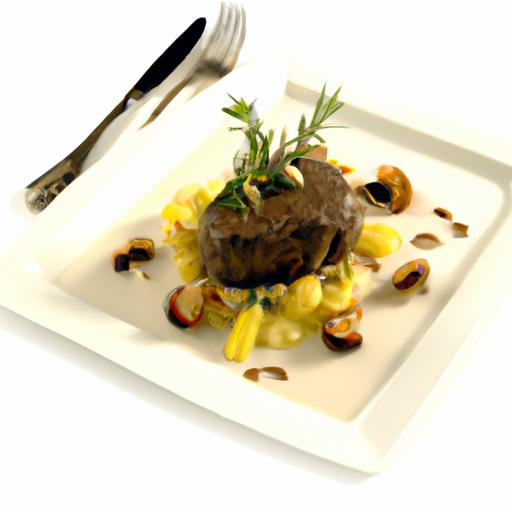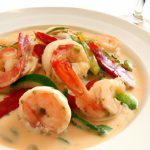
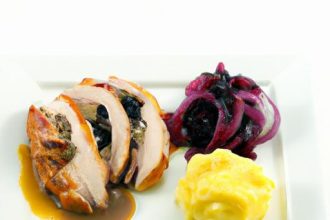
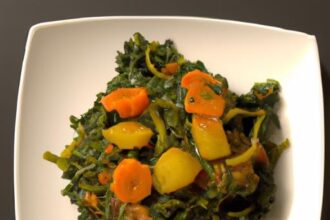
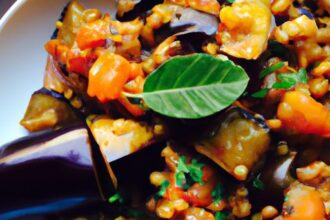
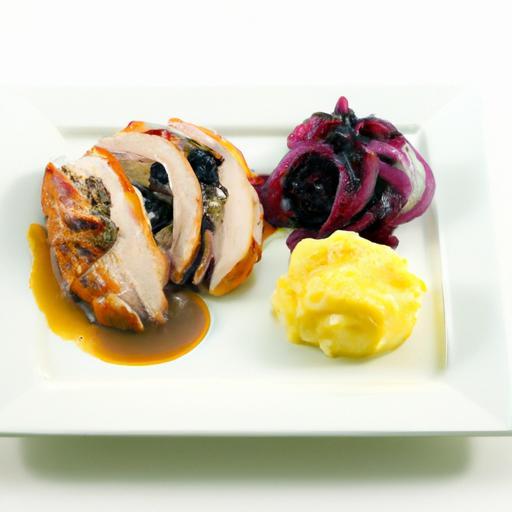
There’s a story simmering in every pot, a history folded into every flaky pastry, and a tradition passed down through generations captured in every bite. French cuisine, renowned worldwide for its elegance and flavor, is far more than just food-it is indeed a rich tapestry woven from centuries of culture, regional diversity, and heartfelt craftsmanship. In “Savoring Heritage: A Journey Through Customary French Dishes,” we embark on an aromatic voyage that reveals the soul of France through its most cherished recipes. From the rustic warmth of a provencal ratatouille to the delicate artistry of a Parisian soufflé, each dish tells a tale that invites us not only to taste but to experience the heritage that continues to inspire chefs and food lovers alike. Join us as we explore the timeless flavors and stories foundational to French culinary identity.
Savoring Heritage is a journey that transports you deep into the heart of French cuisine, where every dish tells a story steeped in history and regional pride. Today, we explore a beloved classic from Provence-Bouillabaisse, the fragrant fish stew that captures the essence of Mediterranean coastal traditions. This dish is much more than a meal; it’s an aromatic celebration of fresh seafood, vibrant herbs, and time-honored techniques passed down through generations.
Prep and Cook Time
- Planning: 30 minutes
- Cooking: 1 hour 15 minutes
- Total: 1 hour 45 minutes
Yield
- Serves 6 generous portions
Difficulty Level
- Medium
ingredients
- 2 lbs mixed firm white fish fillets (such as monkfish, cod, and snapper), cut into chunks
- 1 lb shellfish (mussels and clams, cleaned)
- 1/2 lb large shrimp, peeled and deveined
- 2 tbsp olive oil
- 1 large onion, finely chopped
- 2 leeks, white part only, thinly sliced
- 4 garlic cloves, minced
- 2 large ripe tomatoes, peeled and diced
- 1 fennel bulb, thinly sliced
- 1 tsp saffron threads
- 1 tbsp tomato paste
- 6 cups fish stock or water
- 1 cup dry white wine
- 2 bay leaves
- 1 tsp dried thyme
- Fresh flat-leaf parsley, chopped for garnish
- Salt and freshly ground black pepper to taste
- 1 baguette, sliced and toasted for serving
- Rouille sauce (optional, see Chef’s Notes)
Instructions
- Heat olive oil in a large heavy-bottomed pot over medium heat. Add the finely chopped onion, leeks, and fennel. Sauté until softened and translucent, about 8-10 minutes, stirring occasionally to avoid browning.
- Add minced garlic, diced tomatoes, and tomato paste. Stir well and cook for another 5 minutes until the mixture thickens slightly and the tomatoes release their juices.
- pour in white wine and simmer for 3-4 minutes to reduce slightly, enhancing depth of flavor.
- Add fish stock, saffron threads, bay leaves, and thyme. Bring the broth to a gentle boil, then reduce heat to low and simmer uncovered for 20 minutes.
- season the broth with salt and freshly ground black pepper to taste.
- Remove bay leaves from the pot and carefully add the firm white fish chunks, shellfish, and shrimp. Cover and cook gently for 8-10 minutes, until the fish is just cooked through and shellfish have opened (discard any unopened mussels or clams).
- Using a slotted spoon, transfer seafood to a warm serving dish. Keep the broth simmering.
- Adjust seasoning of the broth if necessary. Serve bubbling hot in deep bowls with toasted baguette slices,topped with a dollop of rouille sauce for an authentic finish.
Chef’s Notes
- For a classic Bouillabaisse experience, prepare a rouille sauce-a garlicky, saffron-infused mayonnaise that elevates the dish perfectly.
- If fresh shellfish is unavailable, frozen seafood can work, but make sure to thaw it well and pat dry to avoid excess liquid.
- To intensify flavor, make your own fish stock by simmering fish bones with aromatics for 30 minutes prior to cooking.
- Use a wide, shallow pot or traditional French “cassole” for even cooking and authentic presentation.
- This dish can be made a few hours ahead-simply refrigerate the broth and seafood separately and gently reheat before serving.
Serving Suggestions
Present Bouillabaisse in rustic bowls, ladling both broth and seafood generously. Garnish with finely chopped fresh parsley for a luminous, herbaceous touch. Accompany with thin slices of toasted baguette rubbed with garlic, perfect for dipping in the saffron-infused broth and rouille sauce. Pair this hearty stew with a chilled Provençal rosé or a crisp white wine such as a Cassis Blanc, to enhance the delicate seafood flavors and bring the dining experience to life.

| Nutrient | Per Serving |
|---|---|
| Calories | 320 kcal |
| Protein | 38 g |
| Carbohydrates | 15 g |
| Fat | 7 g |
Explore more timeless french recipes to enrich your culinary repertoire at our Classic French Recipes Collection.
Q&A
Q&A: Savoring Heritage – A Journey Through traditional French Dishes
Q1: What makes traditional French cuisine so iconic around the world?
A1: French cuisine’s global fame stems from its rich history, regional diversity, and profound respect for quality ingredients. It’s a harmonious marriage of rustic farm-to-table simplicity and exquisite culinary artistry. Each dish is a tale of heritage, crafted with techniques passed down through generations, celebrating both the land and the seasons.
Q2: can you name some quintessential traditional French dishes that define this culinary heritage?
A2: Absolutely! The tapestry of French gastronomy includes classics like Coq au Vin, a slow-cooked chicken bathed in red wine; Ratatouille, a colorful medley of Provencal vegetables; Bouillabaisse, the fragrant fish stew from Marseille; and Tarte Tatin, an upside-down caramelized apple tart that’s a sublime finale to any meal.
Q3: How do regional differences influence traditional French dishes?
A3: France’s diverse geography-from the alpine heights to the sun-kissed Riviera-breathes unique flavors into regional cuisines. Normandy’s buttery cream sauces, Brittany’s seafood and buckwheat galettes, Alsace’s hearty sauerkraut-infused fare, and Provence’s herb-scented olive oil dishes each tell a story shaped by climate, culture, and local produce.
Q4: What role do traditional cooking techniques play in preserving French culinary heritage?
A4: Techniques like slow braising, confit, and delicate sauce reductions are the pillars that uphold france’s culinary legacy. These methods coax deep layers of flavor and texture, transforming humble ingredients into dishes that echo history. preserving these techniques is akin to safeguarding a cultural treasure chest, ensuring authenticity endures.
Q5: How can modern food lovers savor the essence of French heritage at home?
A5: Embracing traditional French cooking begins with selection: fresh, seasonal ingredients and a willingness to slow down and savor the process.Start simple-master a basic coq au vin or a classic soupe à l’oignon. Don’t shy away from learning the art of sauces or baking a rustic baguette.Ultimately, it’s about honoring tradition while adding a pinch of your own culinary curiosity.
Q6: Why is savoring traditional French dishes more than just about taste?
A6: Savoring these dishes is an invitation to connect-with history, culture, and community. Each bite carries stories of ancestral farms, family gatherings, and local rituals. It’s not merely nourishment but a celebration of identity and memory, a sensory journey that bridges past and present one flavorful moment at a time.
Future Outlook
As our journey through the rich tapestry of traditional French cuisine comes to a close, we are reminded that each dish is more than a recipe-it is a story, a heritage passed down through generations, a celebration of place and time. To savor these flavors is to taste the very soul of France, where every bite carries whispers of history and the care of countless hands. Whether it’s the rustic charm of a country cassoulet or the delicate finesse of a Parisian soufflé, traditional French dishes invite us to slow down, appreciate the artistry of preservation, and connect with a culture that honors its roots through the universal language of food. So,as you explore your own culinary adventures,may you carry with you the essence of France’s gastronomic heritage-rich,vibrant,and endlessly inspiring. Bon appétit!