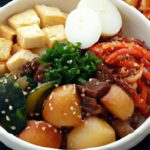


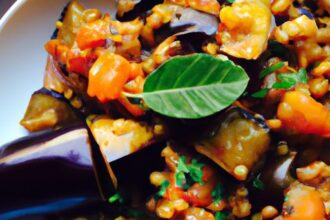
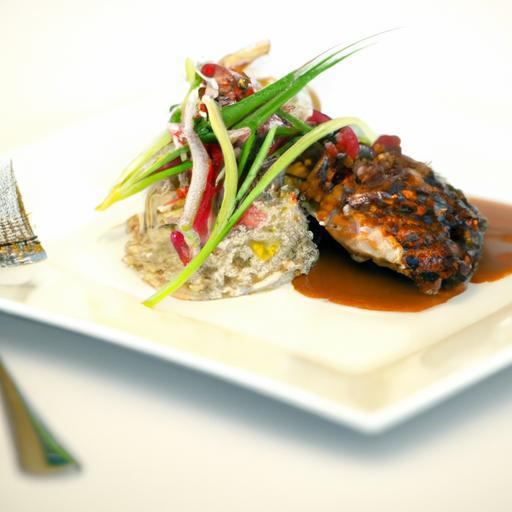
Savoring Kenya is more than a phrase—it’s a cultural journey lived every Tuesday across the country, where Savoring Kenya becomes a celebration of flavors, stories, and shared traditions. From lively markets overflowing with fresh produce to home kitchens filled with aroma and warmth, Savoring Kenya transforms an ordinary day into an extraordinary culinary ritual. As you wander through these vibrant spaces, Savoring Kenya reveals how deeply food is woven into the nation’s identity, showing a community united through taste, heritage, and rhythm. Whether it’s the sound of sizzling pans or the scent of simmering stews, Savoring Kenya invites everyone to experience the living heartbeat of its culture, making every Tuesday a delicious window into the soul of its people and their timeless customs.
Savoring Kenya: A Tasty Dive into Tuesday’s Culture
Savoring Kenya during Tuesday’s flavorful traditions offers a rich immersion into the country’s culinary soul, where Savoring Kenya highlights signature dishes crafted with indigenous ingredients and aromatic spices. From savory stews to vibrant vegetable plates, Savoring Kenya uncovers meals that reflect unity, storytelling, and celebration. In bustling markets and family homes alike, Savoring Kenya becomes a shared experience that connects generations through taste and memory. Each bite taken while Savoring Kenya captures the essence of community and authenticity, turning a simple meal into a cherished ritual. Whether you’re a visitor or a longtime admirer, Savoring Kenya ensures that Tuesday’s cuisine becomes an unforgettable expression of culture and culinary passion.
Prep and Cook Time
- Preparation Time: 20 minutes
- Cooking Time: 40 minutes
- Total Time: 1 hour
Yield
- Serves 4 hearty portions
Difficulty Level
- Medium – Perfect for home cooks looking to explore new spices and textures
Ingredients
- 2 cups ugali flour (maize/cornmeal, finely ground)
- 4 cups water (divided)
- 1 lb beef stew meat, cubed
- 1 large onion, finely chopped
- 3 cloves garlic, minced
- 2 medium tomatoes, diced
- 1 cup fresh spinach, chopped
- 1 tablespoon cooking oil (preferably sunflower or vegetable oil)
- 1 teaspoon turmeric powder
- 1 teaspoon coriander powder
- 1 teaspoon ginger paste
- 1/2 teaspoon black pepper
- Salt to taste
- Fresh cilantro for garnish
Instructions
- prepare the ugali: In a saucepan, bring 3 cups of water to a boil. Gradually stir in the ugali flour, mixing continuously to avoid lumps. Reduce heat to low and cook, stirring frequently with a wooden spoon, until the mixture thickens and pulls away from the edges, about 5-7 minutes. Shape into a round mound and set aside, keeping warm.
- Sauté the aromatics: Heat oil in a heavy-bottomed pot over medium heat. Add onions and sauté until translucent, about 4 minutes.Stir in garlic, ginger paste, turmeric, coriander, and black pepper; cook until fragrant, around 2 minutes.
- Brown the beef: Add the beef cubes to the pot, stirring occasionally to brown on all sides, about 6-8 minutes. This step seals in the juices and builds flavor.
- Simmer the stew: Stir in the diced tomatoes, then pour in 1 cup water. Season with salt,bring to a gentle boil,cover,and reduce heat to simmer for 30 minutes or until the beef is tender.
- Add greens and finish: Fold in chopped spinach and cook for another 5 minutes until wilted. Adjust seasoning as needed.
- Serve with ugali: Plate the ugali on a large dish, carve a well in the center, and spoon the beef stew generously over it.Garnish with fresh cilantro leaves for a vibrant finish.
Tips for Success:
- Use fresh, locally sourced maize flour for authentic texture and flavor in your ugali.
- For a vegetarian option, swap beef with mushrooms or lentils to soak up the spicy tomato and spice base.
- Slow-cooking the stew allows the spices to deeply infuse every bite – don’t rush this step.
- To enhance the aroma, toast the dry spices lightly in a pan before adding to the dish.
- This meal pairs beautifully with traditional fermented milk (mala) to balance the spices.
- Cook the ugali just before serving for best texture; it’s firm yet tender and slightly crumbly.
Serving Suggestions
presenting the meal traditionally brings its cultural roots to life. Serve the ugali mound surrounded by the rich beef stew, finishing with a sprinkle of fresh cilantro or chopped green chili for a dash of heat. Accompany your feast with a simple side of kachumbari-a refreshing tomato and onion salad dressed with lime juice-to cut through the heartiness and add zesty brightness. Enjoy your Kenyan Tuesday dinner with family or friends to truly replicate the communal spirit of Kenyan markets.
| Nutrient | per Serving |
|---|---|
| Calories | 450 kcal |
| protein | 28 g |
| Carbohydrates | 55 g |
| Fat | 12 g |

For more insights into East african spice blends and traditional meals,explore our comprehensive spices guide or visit the Kenyan cuisine overview on Wikipedia for extensive background.
Q&A
Q&A: Savoring Kenya – A Tasty Dive into Tuesday’s Culture
Q1: What does “Savoring Kenya” mean in the context of this article?
A1: “Savoring Kenya” is an invitation to immerse yourself in the rich, flavorful tapestry of Kenyan culture, as experienced through its vibrant culinary traditions. It’s about tasting the country’s history, people, and spirit-one tasty bite at a time, especially on a lively Tuesday, a day often overlooked yet full of cultural meaning.
Q2: Why focus on Tuesday to explore Kenyan culture?
A2: In many Kenyan communities,Tuesday markets and food gatherings are bustling with energy and local flavor. It’s a day when fresh ingredients flood the markets, street food vendors are at their peak creativity, and families often come together for hearty meals. Tuesday becomes a cultural pulse point-perfect for diving into daily life and traditions.
Q3: Which Kenyan dishes highlight this Tuesday culinary journey?
A3: The journey features staples like ugali (a cornmeal porridge that anchors many meals), nyama choma (grilled meat, often shared around a fire), and sukuma wiki (collard greens sautéed with onions and tomatoes).Aromatic chai (tea) and mandazi (fried dough) sweeten the experience, weaving comfort and celebration into daily rhythms.
Q4: how does food reflect Kenya’s cultural diversity?
A4: Kenyan cuisine is a mosaic of ethnic influences-from the coastal Swahili spices to the hearty flavors of the highlands, and the pastoralist traditions of the Maasai. Each dish tells a story, blending indigenous ingredients and age-old recipes with modern twists, revealing the nation’s multifaceted identity through taste.
Q5: What role do communal meals play on Tuesdays?
A5: Communal meals on Tuesday foster connection and storytelling. Whether at a bustling street stand, a family table, or a local eatery, sharing food strengthens bonds and preserves oral traditions.These gatherings transform ordinary days into celebrations of heritage, resilience, and unity.
Q6: Can visitors fully experience kenyan culture through tuesday’s food scene alone?
A6: While Tuesday’s culinary vibe offers a delicious and insightful snapshot, Kenyan culture is a vast landscape beyond the plate. Food opens the door, but exploring music, dance, art, and nature completes the journey-each element flavored with the same vibrancy found in local cuisine.
Q7: How can one partake in this Tuesday tradition respectfully?
A7: Approach with curiosity and gratitude. Engage with vendors, learn the meanings behind dishes, and honor local customs-like communal sharing and using hands to eat where appropriate. Being mindful enriches the experience and supports authentic cultural exchange.
Q8: What lasting impression does “Savoring Kenya” aim to leave on readers?
A8: It hopes to kindle a hunger-not just for food, but for connection, understanding, and adventure.By tasting Kenya’s Tuesday traditions, readers are invited to appreciate culture as a living, breathing feast, encouraging them to seek out and savor the world’s diverse stories through their senses.
Wrapping Up
As the vibrant flavors of Kenya continue to dance on our palates long after the last bite, we find that Tuesday’s cultural tapestry is as rich and diverse as the stew of ingredients that bring it to life. From aromatic spices that tell stories of ancient trade routes to communal meals that nurture both body and soul, savoring Kenya is more than a culinary journey-it’s an invitation to experience life through its colorful traditions and heartfelt hospitality. So next Tuesday, when the aroma of nyama choma wafts through the air or the sweet scent of chai beckons, remember: your not just tasting food-you’re tasting a culture that thrives in every delicious bite.