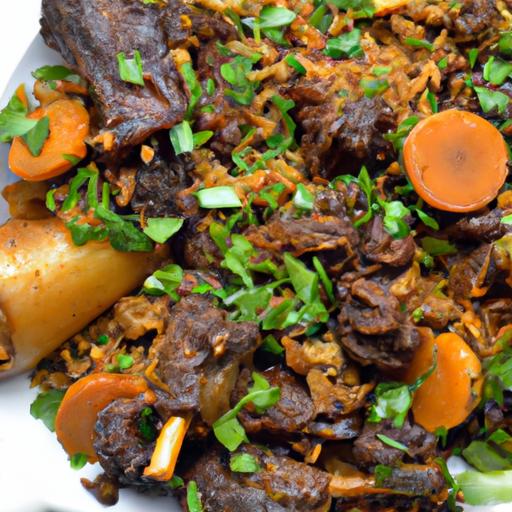

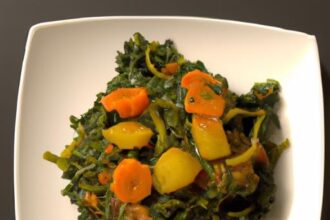
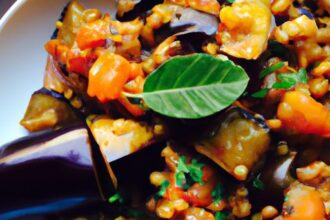
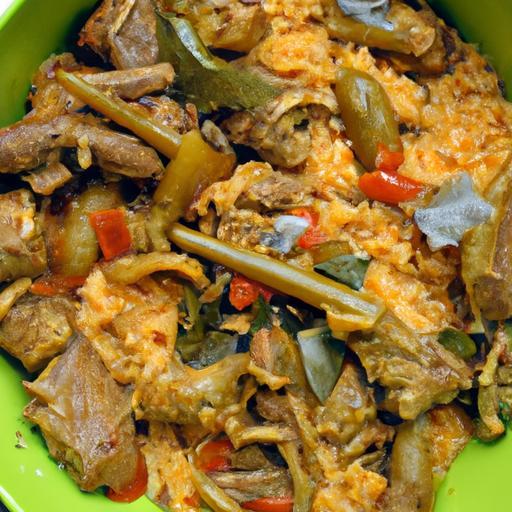
Savoring Nigeria is an immersive exploration of Traditional Dishes that define the nation’s culinary identity. Through Savoring Nigeria, Traditional Dishes reveal stories of ancestry, celebration, and everyday life, where Savoring Nigeria showcases Traditional Dishes crafted with bold spices, nourishing ingredients, and deep cultural meaning. From Savoring Nigeria’s vibrant markets to home kitchens, Traditional Dishes remain at the center of family gatherings, festive occasions, and communal dining. Savoring Nigeria connects food lovers to Traditional Dishes that honor regional diversity while preserving timeless cooking techniques rooted in heritage.
At its core, Savoring Nigeria celebrates Traditional Dishes as living expressions of culture and pride. Each chapter of Savoring Nigeria highlights Traditional Dishes such as soups, stews, and staples that embody warmth and resilience. Through Savoring Nigeria, Traditional Dishes like Egusi Soup stand as culinary symbols, proving how Savoring Nigeria preserves Traditional Dishes that continue to unite generations. Ultimately, Savoring Nigeria invites readers to experience Traditional Dishes not just as meals, but as enduring cultural narratives rich in flavor and meaning.
prep and Cook Time
- Readiness: 20 minutes
- Cooking: 40 minutes
- Total: 1 hour
Yield
Serves 6 hearty portions
Difficulty Level
Medium – A rewarding dish for those cozy with stepwise simmering and seasoning balancing
Ingredients
- 2 cups ground egusi (melon seeds)
- 1 lb assorted meats (beef, tripe, or goat), precooked and chopped
- 1 cup dried smoked fish, deboned and flaked
- 1 cup palm oil
- 2 tablespoons ground crayfish
- 1 large onion, finely chopped
- 3 cups fresh or frozen ugu (fluted pumpkin leaves) or substitute with spinach
- 2 scotch bonnet peppers, blended with a small amount of water
- Salt to taste
- 2 seasoning cubes (Maggi or Knorr)
- 4 cups water or beef stock
Instructions
- Heat the palm oil in a heavy-bottomed pot over medium heat until shimmering but not smoking.
- Sauté the onions until translucent and fragrant, about 4 minutes, stirring constantly to prevent burning.
- Add the ground egusi to the pot, stirring rapidly to evenly coat the seeds with oil; cook for about 5 minutes. This “toasting” intensifies the nutty flavor and helps prevent grittiness in the soup.
- Slowly pour in the water or beef stock, stirring continuously to form a smooth, thick sauce.
- Add the pre-cooked assorted meats, smoked fish, and crayfish, stirring gently to combine.
- Pour in the blended scotch bonnet peppers and season with salt and seasoning cubes. Reduce heat to low and cover, allowing the stew to simmer gently for 25-30 minutes. Stir occasionally to prevent sticking.
- In the last 5 minutes of cooking, fold in the ugu leaves and allow them to wilt softly, preserving their vibrant green color and fresh texture.
- Adjust seasoning as needed, then remove from heat and let the soup rest for 5 minutes before serving.
Chef’s Notes
- Variation: Substitute ugu with bitterleaf for a more traditional bitterness or waterleaf for extra moisture.
- Make Ahead Tip: This soup tastes even better the next day once flavors meld, so prepare in advance and reheat gently.
- Protein alternatives: Dried stockfish or fresh catfish make excellent smoky substitutes for the smoked fish.
- Consistency control: For a thicker soup, reduce water to 3 cups and cook longer on low heat.
- To Avoid Graininess: Toast the egusi well and stir continuously when adding liquids.
serving Suggestions
Traditionally enjoyed with swallows like pounded yam, fufu, or eba (cassava flour dough), this rich and colorful soup pairs beautifully with any of these soft, starchy accompaniments, which help balance the intense flavors.
Garnish with fresh slices of red onion and a drizzle of palm oil to enhance visual appeal. Serve immediately in deep bowls alongside cold zobo (hibiscus) drink or chilled malt for a truly immersive Nigerian dining experience.

Nutritional Data
| Nutrient | Per serving |
|---|---|
| Calories | 420 kcal |
| Protein | 28 g |
| Carbohydrates | 8 g |
| Fat | 30 g |
For deeper insight on West African ingredients, check out the Encyclopedia Britannica’s extensive guide. Dive further into traditional Nigerian cuisines with our related post on Nigerian Street Food Specialties and discover the bold textures and vibrant tastes that define this extraordinary culinary legacy.
Q&A
Q&A: Savoring Nigeria – A Guide to Beloved Traditional Dishes
Q1: What makes Nigerian cuisine uniquely captivating?
A1: Nigerian cuisine is a vibrant tapestry woven from diverse ethnic cultures, rich spices, and hearty ingredients. Its uniqueness lies in the bold flavors and communal way of eating-meals are celebrations of togetherness, history, and heritage. Each dish tells a story, from the fiery embrace of suya to the comforting warmth of jollof rice.
Q2: What are some quintessential Nigerian dishes every foodie should try?
A2: No culinary journey through Nigeria is complete without tasting jollof rice-the fragrant, tomato-infused staple that sparks amiable debates nationwide. Egusi soup, made from melon seeds and leafy greens, offers a thick, nutty delight ofen enjoyed with pounded yam. Suya, smoky and spicy, is a beloved street food featuring skewered meat slathered in a fiery peanut rub.
Q3: How do traditional Nigerian dishes reflect the country’s cultural diversity?
A3: Nigeria’s over 250 ethnic groups each contribute unique ingredients, cooking methods, and flavors, creating an exciting culinary mosaic. Such as, Yoruba cuisine favors hearty yam-based dishes and rich soups, Igbo cooking highlights palm wine and peppery stews, while Hausa culinary traditions shine with grilled meats and millet-based meals. Together, these flavors narrate Nigeria’s colorful cultural landscape.
Q4: What role do ingredients like yam,plantain,and spices play in Nigerian cooking?
A4: Staples such as yam and plantain serve as versatile canvases for many meals,providing comforting texture and balance to spicy,savory accompaniments. Spices and peppers, including scotch bonnet and crayfish powder, ignite dishes with bold heat and depth, embodying the spirited essence of Nigerian taste buds.
Q5: How can someone new to Nigerian food best experience these traditional dishes?
A5: Approach nigerian cuisine with curiosity and openness-start with popular crowd-pleasers like jollof rice or suya to get acquainted with familiar flavors, then gradually explore richer, more complex dishes like ofe nsala (white soup) or moi moi (steamed bean pudding). Visiting Nigerian restaurants, street food markets, or cultural festivals also immerses you in the social joy these meals inspire.
Q6: Are there any nigerian dishes that have gained international recognition?
A6: Absolutely! Jollof rice has transcended borders to become a beloved dish across West Africa and beyond, often featured in global food festivals and trendy restaurants. Suya’s smoky-spicy magic has also charmed international taste buds, inspiring fusion dishes and gourmet reinterpretations around the world.
Q7: What’s a simple tip for cooking Nigerian dishes at home?
A7: Embrace layering flavors-start with aromatics like onions and garlic,add ground spices gradually,and don’t shy away from combining textures. Utilizing traditional ingredients like palm oil or dried fish can elevate authenticity. And most importantly,cook with passion-Nigerian food is as much about heart as it is about ingredients.
Q8: How does food contribute to Nigerian celebrations and everyday life?
A8: Food in Nigeria is a vibrant thread that binds communities, marking occasions from weddings to harvests with shared meals and songs. Everyday dishes nourish families and connect generations, while festive feasts transform eating into a spirited cultural expression full of laughter, dance, and gratitude.
Through its aromatic stews, fiery street snacks, and comforting staples, Nigerian cuisine invites you on a sensory adventure-one that celebrates heritage, flavor, and the joy of sharing. Savoring nigeria means savoring its soul.
The Conclusion
As we close this flavorful journey through Nigeria’s rich culinary tapestry, it becomes clear that each dish tells a story-of history, culture, and community simmered together with love and tradition. From the spicy warmth of jollof rice to the comforting embrace of pounded yam and egusi soup, these beloved foods invite us not just to taste, but to savor the very essence of Nigerian heritage. Whether you’re a seasoned foodie or a curious newcomer, let this guide inspire your next meal and remind you that through food, we connect, celebrate, and preserve the vibrant soul of a nation. So go ahead-dive in, delight your palate, and let Nigeria’s traditional dishes nourish more than just your hunger; let them enrich your spirit.