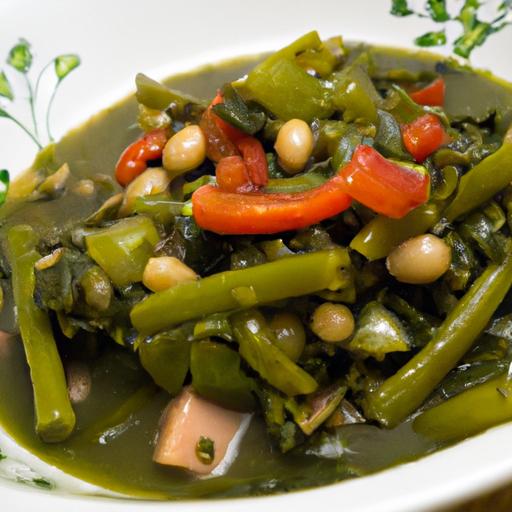
In the vibrant tapestry of West African cuisine, few dishes capture the heart and heritage of Sierra Leone quite like Plasas-a luscious, leafy green stew that embodies both tradition and taste. More than just a meal, Plasas is a party of the land’s rich biodiversity, a harmonious blend of native greens, aromatic spices, and soulful cooking that tells a story with every simmered spoonful. as we delve into the art of crafting this beloved stew, prepare to savor the vivid flavors and cultural richness that have made Plasas a timeless cornerstone at Sierra Leonean tables, inviting food lovers everywhere to experience a genuine taste of this spirited nation.
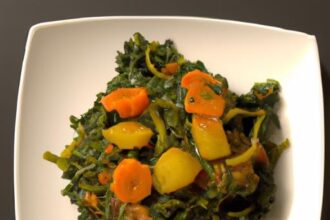
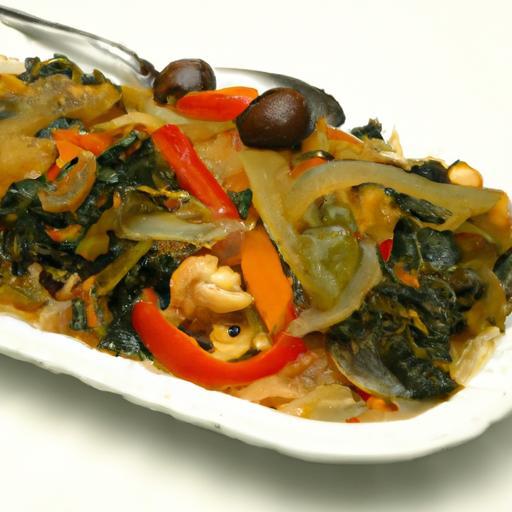
Savoring Sierra Leone: The Art of Plasas Leafy Green Stew invites you to immerse yourself in a culinary journey rich with tradition and vibrant flavors. Deeply rooted in Sierra Leonean culture, Plasas is more than just a stew; it is a celebration of community, heritage, and the earth’s bounty.This iconic dish showcases the tender, slightly bitter leaves of the Molokhia or cassava plant, transformed into a luscious, comforting stew that has nourished generations.Whether you’re discovering Plasas for the first time or seeking to perfect your technique, this guide will help you master every aspect from selecting the freshest leaves to pairing the stew with classic Sierra Leonean accompaniments.
Prep and cook Time
- Preparation: 20 minutes
- Cooking: 40 minutes
- Total Time: 1 hour
Yield
Serves 6 hearty portions
Difficulty Level
Medium – Perfect for home cooks ready to embrace customary African flavors
ingredients
- 500g fresh plasas leaves (Molokhia or cassava leaves), washed and finely chopped
- 2 tbsp palm oil (or vegetable oil as substitute)
- 1 large onion, finely diced
- 3 cloves garlic, minced
- 1-inch piece fresh ginger, grated
- 2 ripe tomatoes, pureed or finely chopped
- 1 scotch bonnet pepper, seeded and chopped (optional, for heat)
- 400g smoked fish, deboned and flaked
- 1 cup dried shrimp (optional)
- 2 cups chicken or vegetable broth
- 1 tsp ground crayfish (or substitute with shrimp powder)
- Salt and black pepper to taste
- 2 tbsp ground peanuts (optional, adds richness and depth)
- Fresh lime wedges for serving
Step-by-Step Guide to Crafting the Perfect Plasas Leafy Green Stew
- Choose fresh plasas leaves: Select vibrant, deep green leaves without yellow or brown spots. Avoid overly mature or tough leaves as they can impart bitterness. Rinse thoroughly under cold water and chop finely to release the flavors.
- Heat the palm oil: In a large pot, warm the palm oil over medium heat until shimmering but not smoking. Palm oil’s vibrant red hue will give the stew its signature color and fragrance.
- Sauté aromatics: Add diced onion, minced garlic, and grated ginger. Sauté until golden and fragrant-about 5 minutes. stir constantly to prevent sticking and ensure even cooking.
- Add tomatoes and scotch bonnet: Stir in the pureed tomatoes and optional pepper. Cook down for 7-10 minutes until the mixture thickens and the raw tomato flavour mellows.
- Incorporate smoked fish and dried shrimp: Add the flaked smoked fish and dried shrimp, stirring gently to combine. These ingredients infuse the dish with an umami depth and authentic Sierra Leonean soul.
- Add broth and ground crayfish: Pour in the broth and sprinkle the ground crayfish; season with salt and black pepper.Bring to a gentle boil.
- Simmer with plasas leaves: Reduce heat and fold in the chopped plasas leaves.Cover and simmer for 20-25 minutes, stirring intermittently to prevent sticking, until leaves are tender and stew is velvety.
- Enhance with ground peanuts: For extra richness and a nutty note, stir ground peanuts into the stew during the last 5 minutes of cooking.
- Adjust seasoning and serve: Taste and adjust salt or pepper as needed. Serve piping hot, garnished with fresh lime wedges to cut through the richness.
Choosing and Preparing the Freshest Leaves for Authentic Plasas Flavor
Selecting the freshest leaves is crucial for genuine flavor and texture. Ideally,plasas leaves should be harvested early in the day when they retain their natural moisture and vibrant color. when cleaning, always remove tough stems and older discolored leaves to avoid bitterness. for those new to sourcing plasas, cassava leaves or jute leaves are excellent alternatives readily found in african or international markets. Always soak the leaves briefly in salted water to reduce any residual earthiness.
Chef’s Notes: Tips for Success
- Smoke it right: Authentic smoked fish adds signature flavor-try to find dried mackerel or smoked tilapia at local African markets.
- Oil alternatives: If palm oil’s flavor or color isn’t to your liking, use a mild vegetable oil, but note the stew will lose its characteristic red tone.
- Heat control: Scotch bonnet peppers pack serious heat-adjust quantity to your tolerance or omit for a milder stew.
- Make-ahead magic: Plasas often tastes better the next day as flavors deepen. Store in an airtight container up to 3 days in the refrigerator.
- Vegetarian option: Skip smoked fish and shrimp; add sautéed mushrooms or smoked paprika to boost umami.
Pairing Plasas with Traditional Sierra Leonean dishes for a Complete Feast
Plasas comes alive when paired with staple sides that soak up its luscious sauce. Serve it alongside rice balls (Oniya), a sticky, smooth accompaniment that balances the robust, earthy flavors beautifully. Another excellent pairing is cassava fufu, whose slightly sour fermented notes complement the richness of the stew. Adding a side of fried plantains or steamed okra brings textural contrast and color to your plate, completing a vibrant and deeply satisfying Sierra leonean feast.
| nutrient | Per Serving |
|---|---|
| Calories | 320 kcal |
| Protein | 22 g |
| Carbohydrates | 10 g |
| Fat | 20 g |
| Fiber | 5 g |

Q&A
Q&A: savoring Sierra Leone – The Art of Plasas Leafy Green Stew
Q1: what exactly is Plasas, and why is it so cherished in sierra Leonean cuisine?
A1: Plasas is a vibrant leafy green stew at the heart of Sierra Leonean cooking, made primarily from indigenous greens like cassava leaves, kontomire, or jute leaves. This stew is more than just a meal; it’s a celebration of local agriculture, tradition, and community. Its rich, earthy flavors coupled with a comforting texture make Plasas a beloved staple that embodies the soul of Sierra Leone’s culinary heritage.
Q2: Which greens are typically used in making Plasas, and how do their flavors contribute to the dish?
A2: The greens used in plasas vary across regions and seasons, but typically include cassava leaves, kontomire (cocoyam leaves), or sometimes spinach. Cassava leaves impart a slightly bitter, robust earthiness that balances beautifully with the stew’s savory elements. Kontomire offers a milder, almost sweet green flavor that lends a smoothness to the dish. Together, the choice of greens determines the stew’s depth and character.
Q3: What key ingredients bring plasas to life beyond the greens?
A3: Beyond the star leafy greens, Plasas is enriched with a medley of aromatics and proteins. Palm oil gives it that unmistakable rich red hue and lush texture, while fresh ginger, garlic, and onions build layers of flavor. Proteins such as smoked fish, dried fish, or meat add umami and depth. Frequently enough, hot chili peppers step in to enliven the palette with a gentle kick, turning Plasas into a symphony of bold, harmonious flavors.
Q4: How is Plasas traditionally prepared, and what makes its cooking process unique?
A4: Traditionally, preparing Plasas is an art that requires patience and respect for the ingredients. The leafy greens are meticulously washed and pounded or finely chopped to soften their fibrous texture. The stew simmers slowly as the palm oil infuses with spices, fish, and meat, melding into a thick, luscious sauce. This slow-cooking method allows the flavors to fully develop and the greens to absorb the smoky,savory elements,resulting in an irresistible stew that tells a story in every bite.
Q5: In what ways is Plasas served and enjoyed within Sierra Leonean culture?
A5: Plasas is often enjoyed as part of a communal meal,served alongside starchy sides like rice,fufu,or cassava dough. it is more than sustenance-it’s a symbol of togetherness, often shared during family gatherings, celebrations, and festivals. Eating Plasas embodies community spirit and cultural pride, where each spoonful connects diners to the land and their ancestors’ culinary wisdom.
Q6: Can Plasas be adapted for modern or international kitchens without losing its essence?
A6: Absolutely! While the heart of Plasas lies in its traditional ingredients and methods, home cooks worldwide can recreate its magic by sourcing similar greens, like collard greens or kale, and using palm oil or a mix of red palmolein with olive oil for authenticity in flavor and color. The key is honoring the balance of smoky,spicy,and earthy notes. Embracing modern kitchen tools can simplify prep, but the soulful essence of Plasas remains intact through intentional seasoning and patient simmering.
Q7: Why is savoring Plasas more than just tasting a stew?
A7: Savoring Plasas is a sensory journey through Sierra Leone’s landscape, culture, and history. It connects eaters to the rhythms of local agriculture, the generosity of shared meals, and the artistry of time-honored cooking techniques. Each bite offers a glimpse into a vibrant culture where food is a language of love, resilience, and celebration. through Plasas, taste buds travel, stories unfold, and a simple stew becomes a gateway to sierra Leone’s rich culinary soul.
The Conclusion
As the rich, comforting aroma of Plasas gently fills the air, it becomes clear that this leafy green stew is more than just a dish-it is a vibrant thread woven into the cultural fabric of Sierra Leone. Each simmering pot tells a story of heritage, resilience, and the intimate relationship between the land and its people. Savoring Plasas is not merely about tasting flavors; it is indeed an invitation to experience a living tradition, one spoonful at a time. So whether you’re a seasoned traveler or a curious cook, embracing the art of Plasas opens a doorway to the heart of Sierra Leone’s culinary soul-a celebration of nourishment, history, and the enduring spirit of community.