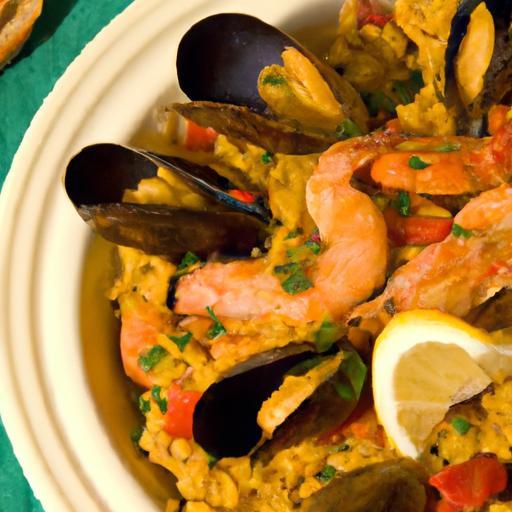
There’s a magic woven into the vibrant strands of saffron-kissed rice, the tender embrace of plump shrimp, and the delicate briny whispers of fresh mussels steaming in a classic Spanish paella. More than just a dish, seafood paella is a rich tapestry of history, culture, and coastal flavors that captures the very essence of spain’s culinary soul. in this article, we embark on a sensory journey to savor Spanish seafood paella-not only as a meal but as a cherished tradition passed down through generations, inviting us to experience the seaside spirit and communal warmth that make every bite unforgettable.
Origins and Regional Variations of Spanish Seafood Paella
Savoring Spanish Seafood Paella starts with understanding its rich history and diverse regional influences. Originating from Valencia, this iconic dish was traditionally a humble farmer’s meal cooked over an open fire, combining local ingredients like rice, rabbit, and vegetables. Over time, coastal areas infused seafood into the recipe, giving birth to the beloved seafood paella variant that celebrates the ocean’s bounty.
Each region has its own twist: Catalonia favors the arroz negro with squid ink, while Galicia highlights shellfish like clams and mussels alongside saffron-infused rice. Andalusia’s coastal love is evident in the generous use of prawns and cuttlefish. These subtle distinctions reflect Spain’s cultural and geographical tapestry, making every spoonful a story of place and tradition.
Key Ingredients and Secrets to Authentic Flavor
The foundation of truly memorable Spanish seafood paella lies in its ingredients and technique.Use short-grain Bomba rice or similar varieties designed to absorb broth without turning mushy. The star of the dish-fresh seafood-should ideally be from your local market: plump shrimp, tender calamari, sweet mussels, and fresh clams.
Saffron threads are indispensable for that golden color and earthy aroma, while quality homemade fish stock elevates every grain. Olive oil, smoked paprika, and fresh garlic create a fragrant backdrop. A classic sofrito made from sun-ripened tomatoes and onions builds rich depth, and stirring minimally lets the coveted socarrat (crispy rice crust) form at the pan’s bottom, a hallmark of authentic paella.
Prep and Cook Time
- Readiness: 25 minutes
- Cooking: 40 minutes
- Total Time: 1 hour 5 minutes
Yield
Serves 4 to 6 hungry guests
Difficulty Level
medium – perfect for those comfortable with multi-step recipes and eager to explore traditional Spanish cooking techniques
Ingredients
- 2 cups short-grain Bomba rice
- 1 lb fresh shrimp,peeled and deveined
- 1/2 lb calamari rings
- 1/2 lb mussels,cleaned and bearded
- 1/2 lb clams,scrubbed
- 4 cups homemade fish or seafood stock,warm
- 1 medium onion,finely diced
- 2 ripe tomatoes,peeled and chopped (or 1/2 cup canned crushed)
- 4 cloves garlic,minced
- 1 tsp smoked paprika
- 1/2 tsp saffron threads,steeped in warm stock
- 1/4 cup extra virgin olive oil
- 1 red bell pepper,thinly sliced (optional)
- Salt and freshly ground black pepper,to taste
- Fresh parsley,chopped,for garnish
- 1 lemon,cut into wedges,for serving
step-by-Step Guide to Crafting the Perfect Paella
- prepare your base: In a large paella pan or wide skillet,heat olive oil over medium heat.Add diced onion and sauté until translucent,about 5 minutes. Stir in garlic and smoked paprika,cooking until fragrant (about 1 minute).
- Build the sofrito: Add the tomatoes and cook down until the mixture thickens and darkens, about 8-10 minutes. This deepens flavor dramatically.
- Add the rice: Stir in the Bomba rice,coating every grain with the sofrito.This step ensures even flavor dispersion.
- Pour in stock and saffron: Slowly add your warm fish stock infused with saffron threads. Season with salt and pepper. Do not stir after this point-allow the rice to absorb the liquid evenly and develop the coveted socarrat crust.
- Cook the seafood: After about 15 minutes, nestle the shrimp, calamari, mussels, and clams gently into the rice. Cover with a lid or foil and cook until the shells open and shrimp turn pink, approximately 10-12 minutes more.
- Rest and garnish: Remove from heat and let the paella rest, covered, for 5 minutes. Garnish with fresh parsley and serve with lemon wedges for squeezing.
Tips for Success
- Use a wide, shallow paella pan to promote even cooking and socarrat formation.
- Resist stirring after adding stock; this is key to the perfect texture.
- If seafood is not fresh or hard to find, frozen works-just adjust timing slightly.
- for a vegetarian twist, substitute seafood with artichokes, peas, and roasted red peppers, using vegetable stock.
- Make the fish stock ahead to save time and boost flavor.
Serving Suggestions
Present your paella directly in the pan to preserve its rustic charm. complement this vibrant dish with crusty Spanish bread and a bowl of chilled gazpacho for a refreshing balance. Garnish generously with fresh parsley and offer lemon wedges to brighten each bite. For an authentic experience, include a side of alioli-a garlicky mayo that pairs beautifully with the seafood richness.
Pairing Your Paella with Traditional Spanish Wines and Sides
To elevate the savoring of Spanish seafood paella,consider pairing it with crisp,mineral-driven white wines from Spain’s Rías Baixas region,such as Albariño. these wines complement the briny, delicate flavors without overpowering the dish. Alternatively, a light and fruity rosé from Navarra offers a delightful contrast. For sides, a simple mixed green salad with sherry vinegar dressing or roasted piquillo peppers enhance the meal’s vibrant character, keeping the focus on the paella itself.
| Nutrient | Per Serving (6 servings) |
|---|---|
| Calories | 360 kcal |
| Protein | 28 g |
| Carbohydrates | 45 g |
| Fat | 8 g |

Discover more traditional Spanish recipes and culinary insights in our Spanish Cuisine Classics series or explore the history behind saffron at Saffron.com for expert resources on this precious spice.
Q&A
Q&A: Savoring Spanish Seafood Paella – A Taste of Tradition
Q1: What makes Spanish seafood paella so special?
A1: Spanish seafood paella is more than just a dish-it’s a vibrant celebration of Spain’s coastal heritage. Its unique blend of fresh seafood, saffron-infused rice, and smoky paprika captures the essence of the Mediterranean in every bite. This dish marries tradition with the bounty of the sea, offering a sensory journey through Spain’s rich culinary history.
Q2: where did paella originate, and how has it evolved?
A2: Paella hails from the Valencia region, where humble farmers first combined local ingredients like rice, rabbit, and snails over an open flame. Over the centuries,coastal influences introduced seafood into the mix,giving rise to the beloved seafood paella. Today, it’s a canvas for creativity-yet it always honors its rustic beginnings and communal spirit.
Q3: What are the essential ingredients of a classic Spanish seafood paella?
A3: At its heart, seafood paella features bomba or calasparra rice, vibrant saffron threads, aromatic garlic and onions, sweet red bell peppers, ripe tomatoes, and a medley of fresh seafood such as mussels, clams, shrimp, and squid. A good drizzle of olive oil and a sprinkle of smoked paprika bring everything together, creating layers of flavor that dance on the palate.
Q4: Why is saffron so significant in paella?
A4: Saffron is the golden soul of paella-imparting not only its iconic yellow hue but also a delicate earthy aroma that elevates the dish.This prized spice is harvested painstakingly from crocus flowers, lending paella its distinct and luxurious character that’s hard to replicate with substitutes.
Q5: How should paella be cooked to achieve the perfect texture?
A5: Cooking paella is an art. Traditionally prepared over an open flame in a wide, shallow “paellera,” the goal is to achieve a socarrat-the prized crispy layer of toasted rice at the bottom.Patience and gentle heat coax out deep flavors while preserving the perfect al dente bite in each grain,balancing tenderness with a satisfying crunch.
Q6: Can I make authentic seafood paella outside Spain?
A6: Absolutely! While the freshest local seafood always shines brightest,you can recreate the essence of Spanish coastal flavors anywhere with quality ingredients and technique. Seek out saffron, good rice, and fresh shellfish at your market. The key is in the layering of flavors and the love you put into stirring tradition into every spoonful.
Q7: What’s the best way to serve and enjoy paella?
A7: Paella is best savored as a communal experience-served straight from the pan at the center of the table, inviting friends and family to gather and share. Pair it with a crisp Spanish white wine like Albariño or a refreshing sangria to complement the ocean’s bounty. Enjoy slowly, savoring each bite as a tribute to Spain’s sunny shores and vibrant culture.
Q8: Any tips for first-timers attempting seafood paella?
A8: Start simple-focus on getting the rice and broth ratio right, don’t overcrowd the pan, and resist stirring onc the liquid begins to simmer to allow socarrat to form. Fresh seafood is your friend, but don’t worry if you substitute with what’s available.Most importantly, cook with joy and channel the spirit of Spain’s coastal gatherings-this will shine through in your paella.
Dive into the flavors of Spain and let your palate embark on a seaside adventure with every forkful of seafood paella-a timeless taste of tradition that brings the Mediterranean sunshine to your table.
Wrapping Up
As the last grains of saffron-kissed rice settle on your plate and the lingering aroma of the sea fades into a satisfied sigh,savoring Spanish seafood paella becomes more than just a meal-it transforms into a journey through the heart of tradition. Each bite connects you to the vibrant coastal villages where this iconic dish was born, a testament to communal spirit, fresh ingredients, and time-honored techniques.Whether enjoyed in a bustling Valencia mercado or recreated in your own kitchen, paella invites you to pause, share, and celebrate the rich flavors of Spain’s culinary heritage. So next time you gather around a steaming pan brimming with mussels, shrimp, and golden rice, remember you’re not just tasting food-you’re tasting a story centuries in the making.