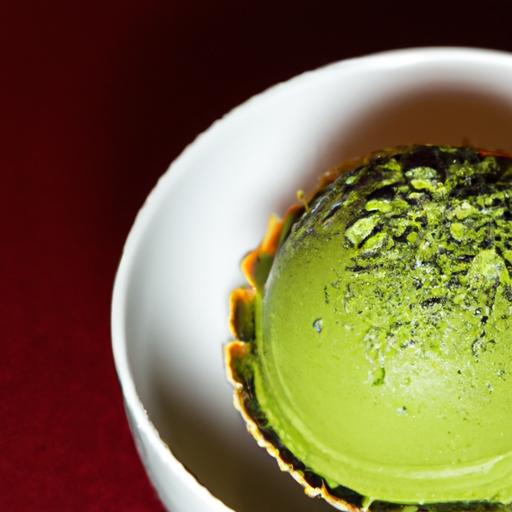


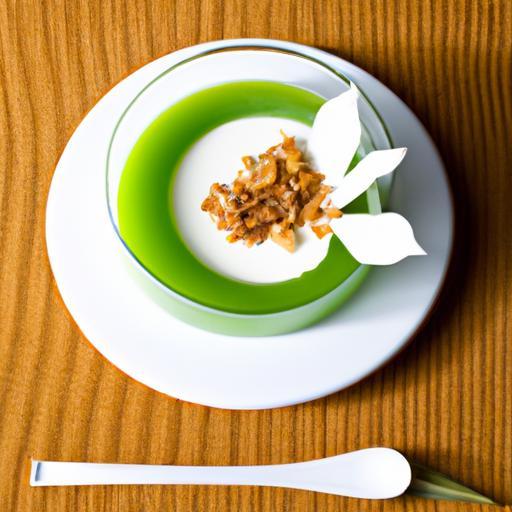
In the delicate world of Japanese cuisine, where balance and subtlety reign supreme, green tea is more than just a beloved beverage-it’s a versatile ingredient that transforms ordinary sweets into sublime experiences. From the earthy bitterness of matcha to the fragrant notes of sencha, Japanese green tea offers a unique flavor profile that dances effortlessly between bitterness and sweetness. “Savoring Sweetness: A Guide to Japanese Green Tea Desserts” invites you on a delicious journey through a rich tradition of confections that celebrate this iconic tea. Whether you’re a curious foodie or a seasoned tea enthusiast, discover how green tea’s vibrant hues and nuanced tastes elevate desserts into artful expressions of culture and craftsmanship. Get ready to indulge your senses and unlock the secrets behind Japan’s most enchanting green tea treats.
Exploring the Rich History and cultural Significance of Matcha in japanese Sweets
Savoring Sweetness: A Guide to Japanese Green Tea Desserts invites you on a sensory journey through Japan’s timeless tradition of matcha-infused confections. Originating from centuries-old tea ceremonies, matcha transcends its role as a simple beverage to become a cornerstone of Japanese desserts, embodying a reverence for nature, seasonality, and aesthetics.
Matcha – finely ground green tea powder – was introduced to japan from China during the 12th century and quickly evolved beyond ceremonial use to inspire an entire universe of sweets known as wagashi. These delicate confections, revered for their balance of subtle bitterness and natural sweetness, provide a uniquely harmonious texture and flavor that perfectly complements the vegetal notes of matcha.From the chewy, gelatinous wonder of matcha mochi to the airy smoothness of matcha panna cotta, green tea desserts celebrate the complexity and nuance that matcha brings to the palate.
Distinctive Flavors and Textures of Popular Japanese Green Tea Desserts
Japanese green tea desserts thrive on contrast and subtlety. The astringency of matcha gently awakens the palate,mingling with creamy,nutty,or sweet ingredients. for example, matcha anmitsu combines translucent agar jelly cubes and sweet azuki bean paste, while matcha dorayaki sandwiches fluffy pancakes filled with matcha-infused red bean paste, weaving together soft and chewy sensations. The balance of bitterness and sweetness is key-too much matcha becomes overpowering, too little, and its essence is lost.
The unique combination of texture is an art form:
- Soft and dense like matcha castella or sponge cake
- Silky and rich in matcha custard or mousse
- Chewy and springy in mochi and dango
- crunchy and crumbly in matcha cookies or biscotti
This variety enriches the experience of matcha desserts, inviting both novices and enthusiasts to savor every bite with delight.
Expert Tips for Pairing Green Tea Sweets with Customary Japanese Teas
To fully appreciate the delicate complexity of Japanese green tea desserts, pairing them thoughtfully with the right tea enhances flavor harmony. Generally, lighter teas such as Sencha bring out sweet floral notes in desserts, while stronger, more umami-rich teas like Gyokuro stand up to the bitterness of pure matcha sweets.
- Serve Matcha Wagashi with Genmaicha – roasted brown rice tea – to add a toasty contrast.
- Hojicha, with its warm, caramel-like aroma, complements creamy matcha custards and puddings.
- For very sweet desserts, a cool bowl of ice-cold Matcha can refresh the palate and balance richness.
Serving temperature and tea strength also matter: cooler teas highlight sweetness, whereas warm teas bring out earthy depth.
Must-Try Recipe: Classic Matcha Mochi
This matcha mochi recipe exemplifies the delightful chewiness and subtle bitterness that make Japanese green tea desserts so beloved.Combining simple ingredients with traditional methods, it’s perfect for anyone eager to replicate authentic flavors at home.
Prep and Cook Time: 25 minutes (prep 10 | cook 15)
Yield: 12 mochi pieces
Difficulty Level: Medium
Ingredients
- 1 cup glutinous rice flour (mochiko)
- 2 tsp matcha powder,sifted
- 3/4 cup granulated sugar
- 3/4 cup water
- Potato starch or cornstarch for dusting
- Optional: sweet red bean paste (anko),1/2 cup for filling
Instructions
- In a microwave-safe bowl,whisk together glutinous rice flour,matcha powder,and sugar.
- Gradually add water, whisking until the mixture is smooth and free of lumps.
- Cover the bowl loosely with plastic wrap or a microwave-safe lid.
- Microwave on high for 1 minute, then stir vigorously to distribute heat evenly.
- repeat microwaving in 30-second increments, stirring each time, until the dough becomes thick and translucent (about 3-4 minutes total). The mixture will be sticky and elastic.
- Generously dust a clean surface with potato starch and transfer the mochi dough onto it.
- Dust your hands with starch and gently flatten the dough into a 1/2-inch thick rectangle.
- Cut into 12 equal pieces using a sharp knife dusted with starch.
- If desired, flatten each piece, place a teaspoon of anko in the centre, and carefully fold the dough around it, sealing edges.
- Lightly dust the finished mochi with starch and place on parchment to cool fully before serving.
chef’s Notes
- Microwave Alternatives: You can steam the mixture for 15 minutes instead of microwaving to achieve a smoother texture.
- Matcha Quality: Use a culinary-grade matcha powder for sweetness balance or ceremonial-grade for a more vibrant color and vegetal note.
- Storage: Mochi is best eaten fresh but can be stored in an airtight container at room temperature for up to 1 day.
- Variations: Try replacing red bean filling with fruit jam or even sweetened cream cheese for modern twists.
Serving Suggestions
Present matcha mochi on a minimalist Japanese ceramic plate,garnished with a light dusting of matcha powder or edible gold leaf for an elegant touch. Serve alongside a warm cup of freshly brewed Sencha green tea to balance sweetness and cleanse the palate.
For added texture, accompany mochi with a small bowl of crunchy roasted soybeans (kuro-mame) or a scoop of vanilla ice cream dusted with matcha powder.
| Nutrient | per Serving (1 mochi) |
|---|---|
| Calories | 85 kcal |
| Protein | 1 g |
| Carbohydrates | 19 g |
| Fat | 0.2 g |

For more inspiration,check out our traditional wagashi recipes to explore other luscious green tea sweets beyond mochi,creating a full spectrum experience at home.
Q&A
Q&A: Savoring Sweetness – A Guide to Japanese Green Tea Desserts
Q1: what makes Japanese green tea desserts unique compared to other dessert styles?
A1: Japanese green tea desserts are a harmonious blend of nature’s subtle bitterness and delicate sweetness. Unlike overly sugary treats, these desserts emphasize balance and refinement, showcasing the earthy, grassy notes of matcha (powdered green tea) alongside sweet flavors. This creates a nuanced taste experience that is both refreshing and deeply satisfying.
Q2: Why is matcha such a popular ingredient in Japanese sweets?
A2: Matcha isn’t just tea-it’s a vibrant cultural icon packed with antioxidants and rich flavor. Its fine powder form allows for versatile culinary use, infusing desserts with a vivid green hue and a complex, slightly bitter profile that pairs beautifully with sugar, red beans, and creamy elements. This versatility and health appeal make matcha a beloved ingredient in everything from cakes to ice creams.
Q3: Can you name some classic Japanese green tea desserts and their highlights?
A3: Certainly! Traditional favorites include Matcha Mochi, chewy rice cakes filled with matcha-infused sweet bean paste; Matcha Parfait, layered ice cream, jelly, and sweet toppings that delight both the eye and palate; and matcha Castella, a fluffy sponge cake with subtle tea undertones. Each dessert is a textured journey, from creamy to chewy, with matcha’s flavor guiding every bite.
Q4: How does the bitterness of green tea influence the sweetness level in these desserts?
A4: The inherent bitterness of green tea naturally tempers sweetness, preventing the dessert from becoming cloying. This balance allows confectioners to use less sugar while still achieving rich flavor depth. The result is a refined sweetness that invites slow savoring instead of rushed indulgence.
Q5: Are Japanese green tea desserts suitable for people new to green tea flavors?
A5: Absolutely! Many desserts offer gentle introductions to green tea’s unique taste, often blending it with creamy or sweet components that temper matcha’s boldness. Such as, a smooth matcha ice cream or a delicate green tea cheesecake can ease newcomers into appreciating its subtle complexity, making these treats both approachable and adventurous.
Q6: How can one enjoy Japanese green tea desserts beyond Japan?
A6: Thanks to growing global interest in matcha, many cafés and patisseries worldwide now feature green tea desserts.For the adventurous home cook, matcha powder is widely available online and in specialty stores, enabling you to try recipes like matcha cookies, panna cotta, or even green tea tiramisu in your kitchen. Pairing these desserts with a simple cup of brewed green tea can enhance their flavor and create a mini Japanese tea ceremony experience wherever you are.Q7: What cultural significance do green tea desserts hold in Japan?
A7: Green tea desserts extend beyond taste; they celebrate seasonality, artistry, and mindfulness rooted in Japanese tradition. Many sweets are crafted to reflect the changing seasons, using matcha to evoke spring’s renewal or summer’s coolness. Enjoying these desserts is frequently enough a peaceful ritual, embodying the philosophy of ichigo ichie-treasuring the moment and connection shared over food and tea.
Whether you’re a green tea devotee or a curious foodie, Japanese green tea desserts offer a luscious gateway to savor not just sweetness but centuries of taste harmony and cultural elegance.
Wrapping Up
As you embark on your own journey through the delicate world of Japanese green tea desserts, remember that each bite is more than just a treat-it’s a harmonious blend of tradition, flavor, and artistry. From the earthy bitterness of matcha balancing ethereal sweetness to the subtle textures that dance on the palate,these desserts invite you to slow down and savor the moment. Whether you’re experimenting in your kitchen or seeking out a local tea house, the richness of Japan’s green tea confections promises a delightful exploration for your senses. So,next time you crave a sweet escape,let the vibrant hues and nuanced tastes of Japanese green tea desserts transport you to a place where every spoonful tells a story of culture and calm.