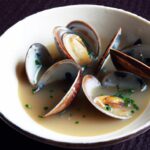

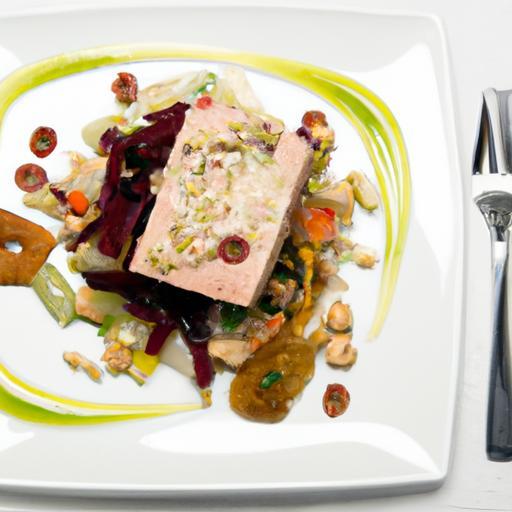
There’s something timeless about the taste of the sea-a briny whisper carried on the breeze, a symphony of flavors beneath the waves waiting to be discovered on the plate.England’s coastal waters have long gifted its people with a bounty of seafood that tells stories of rugged shores, bustling fishing villages, and centuries-old traditions. From the iconic fish and chips wrapped in paper on a chilly afternoon to the delicate sweetness of freshly caught scallops, English seafood classics offer a rich tapestry of flavors that celebrate both heritage and nature’s generosity. Join us as we set sail on a culinary journey to savor the sea, exploring the iconic dishes, regional specialties, and the vibrant flavors that define England’s maritime cuisine.
Savor the Sea: Exploring English Seafood Classics and Flavors invites you to experience the iconic dish that has captured hearts and palates for centuries. This beloved British staple, renowned for its perfect marriage of crispy beer-battered fish and golden chips, embodies the very essence of coastal tradition and simple, satisfying taste. Whether enjoyed seaside under a cloudy sky or at the heart of a bustling city, this fish and chips recipe brings that timeless charm straight to your kitchen.
Prep and Cook Time
- Planning: 15 minutes
- Cooking: 20 minutes
- Total: 35 minutes
Yield
Serves 4 hungry seafood lovers
Difficulty Level
Easy to Medium – perfect for home cooks looking to impress with classic English flavors
Ingredients
- 4 large fillets of white fish (such as cod or haddock), skin removed
- 1 ½ cups all-purpose flour, sifted, plus extra for dusting
- 1 tsp baking powder
- 1 tsp sea salt
- ½ tsp freshly ground black pepper
- 1 ¼ cups cold beer (lager or pale ale works best)
- 4 large baking potatoes, peeled and cut into thick chips
- Vegetable oil for deep frying (enough to fill your fryer or pan to 3 inches)
- Fresh lemon wedges for garnish
- Malt vinegar (optional, for serving)
- Salt flakes for seasoning the chips
Instructions
- Prepare the chips: Rinse the peeled and cut potatoes in cold water until the water runs clear to remove excess starch.pat dry thoroughly with kitchen towels.This ensures crispness.
- Parboil the Chips: Boil the potato chips in salted water for 4-5 minutes until just tender but not falling apart. Drain and set aside on a baking tray lined with paper towels.
- Heat the Oil: Fill a deep fryer or heavy-bottomed pot with vegetable oil, heating it to 320°F (160°C) for the first fry.
- First Fry of Chips: fry the chips in batches for 4-5 minutes until pale golden and slightly soft. Remove with a slotted spoon and drain on paper towels.
- Prepare the Batter: In a large bowl, combine 1 ½ cups sifted flour, baking powder, sea salt, and black pepper. Gradually whisk in the cold beer until a smooth batter forms. It should be thick enough to coat the fish but still runny enough to create a crisp shell.
- dust the Fish: Lightly coat each fish fillet with flour to help the batter adhere.
- Batter and Fry: Dip each fillet into the batter, allowing excess to drip off before carefully lowering into the hot oil (heated now to 350°F / 180°C). Fry for 6-8 minutes, turning once until the batter is deep golden and crispy, and the fish flakes easily with a fork.
- Final Fry of Chips: Increase oil temperature to 375°F (190°C) and fry the parboiled chips again for 2-3 minutes until golden and crispy. Drain on paper towels and sprinkle immediately with salt flakes.
- Serve: Place fish and chips on warm plates, garnish with fresh lemon wedges, and offer malt vinegar on the side.
Tips for Success
- Keep the Beer Cold: Chilling the beer helps create a lighter, crisper batter by slowing gluten development.
- Oil Temperature: Use a thermometer to maintain consistent frying temperature for perfect results.
- Double Fry Method: This technique is key for irresistibly crispy chips without greasiness.
- Batter Variations: Substitute sparkling water for beer for a non-alcoholic version without compromising crunch.
- Make Ahead: Parboil and store chips in the refrigerator for up to 24 hours before frying.
Serving Suggestions
Traditionally, fish and chips are served wrapped in greaseproof paper or on a simple wooden board for rustic charm. For a restaurant-style twist, plate your fish atop a mound of chips, sprinkle with fresh chopped parsley or seaweed flakes, and add a side of mushy peas or tartar sauce. Pair with a crisp English ale or a chilled glass of Sauvignon Blanc to complement the delicate flavors of the fish and the saltiness of the chips.

| Nutrient | Per Serving |
|---|---|
| Calories | 650 kcal |
| Protein | 40 g |
| Carbohydrates | 70 g |
| Fat | 25 g |
Continue your culinary journey of English seafood classics by exploring our recipe for Cornish Crab Salad-a fresh counterpoint that celebrates regional flavors.
For in-depth history and more on customary British fish dishes, visit the British food Heritage website.
Q&A
Q&A: Savor the Sea – Exploring English Seafood Classics and Flavors
Q1: What makes English seafood cuisine unique compared to other coastal culinary traditions?
A1: English seafood cuisine is a captivating blend of simplicity and tradition, celebrating the pure, fresh flavors of the sea with minimal fuss. Unlike heavily spiced or sauced seafood in some cultures, English seafood often allows the ingredients themselves-the plump oysters, briny mussels, and flaky cod-to take center stage. Rooted in centuries of coastal living, the dishes reflect local catch and classic techniques passed down through generations, highlighting seasonal freshness and honest flavors.
Q2: Which English seafood dish do you recommend as the ultimate classic to try first?
A2: You can’t go wrong with the iconic Fish and Chips, often hailed as England’s beloved seaside comfort food. Crispy beer-battered cod or haddock, paired with perfectly golden fries and a generous splash of malt vinegar, offers a crunchy, flaky, and utterly satisfying bite of English coastal culture. For a more refined taste, try Dover sole or a warm plate of cockles and winkles, traditional mollusks often enjoyed by locals.
Q3: How do regional differences influence English seafood dishes?
A3: England’s diverse coastline-from the rocky shores of Cornwall to the serene waters of the Norfolk coast-provides a rich palette of seafood ingredients that shape regional specialties. Cornwall boasts the famous Cornish crab and its creamy crab sandwiches,while Yorkshire fishermen bring in fresh plaice and scampi that star in local recipes. Each area’s unique marine bounty and cultural heritage create subtle variations in preparation and presentation that invite exploration beyond the usual fare.
Q4: What flavors or ingredients are commonly paired with English seafood?
A4: English seafood is often accented with shining, fresh flavors like lemon, parsley, and sea salt, enhancing the natural taste without overpowering it. Tartar sauce-creamy with hints of capers and gherkins-is a classic accompaniment to fried fish, while malt vinegar delivers a tangy punch. For shellfish, simple melted butter or a squeeze of fresh lemon amplifies their sweetness. Traditional sides like mushy peas add a comforting, earthy contrast, rounding out the flavors beautifully.
Q5: Is English seafood cuisine accessible to those new to seafood or adventurous eaters?
A5: Absolutely! English seafood offers something for everyone, from beginners to seasoned seafood lovers. The familiar and approachable Fish and Chips is a grate starting point, while more adventurous diners can explore delicacies like jellied eels, cockles, or smoked kippers. The cuisine’s emphasis on freshness and straightforward preparation invites curiosity and appreciation, making it an inviting gateway into the world of seafood.
Q6: How can someone recreate the English seaside seafood experience at home?
A6: To capture the essence of an English seaside feast, start with sourcing the freshest fish and shellfish available-local or sustainably caught is ideal. Keep preparations simple: a light beer batter for fried fish, a splash of malt vinegar, and homemade mushy peas bring authentic flavors to your table.Pair with crusty bread, a crisp garden salad, and perhaps a pint of English ale to round out the experience. don’t forget to serve it with a hearty dose of nostalgia and a love for the sea!
Q7: What role does sustainability play in enjoying English seafood classics today?
A7: Sustainability is increasingly vital in preserving England’s rich marine heritage and ensuring future generations can savor these coastal treasures. Choosing seafood from sustainably managed fisheries helps protect fragile ecosystems and supports responsible fishing practices. Many English chefs and markets now prioritize seasonal, local, and ethical sourcing, encouraging diners to enjoy traditional dishes with a mindful approach that honors both flavor and environmental stewardship.
In Summary
As the tides of tradition continue to shape England’s culinary shores, the rich flavors of its seafood classics offer more than just a meal-they provide a savory journey through history, culture, and coastal life. From the crispy charm of fish and chips to the briny depths of fresh oysters, each dish tells a story of the sea’s bounty and the people who have lovingly harvested it for generations. Whether you’re a seasoned foodie or a curious traveler, embracing these English seafood flavors invites you to savor not just the taste, but the enduring spirit of the sea itself. So next time you find yourself by the British coast, let your palate embark on this timeless exploration-one delicious bite at a time.