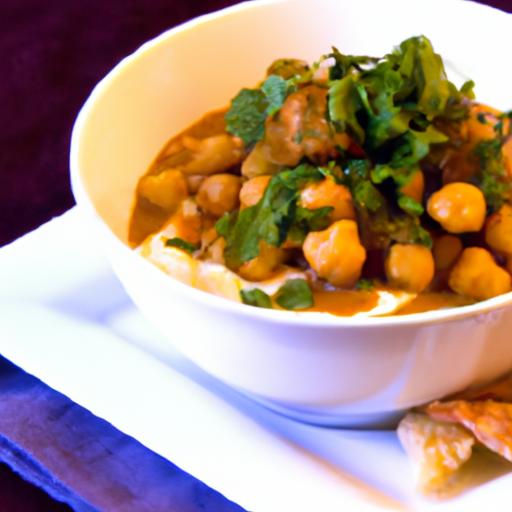

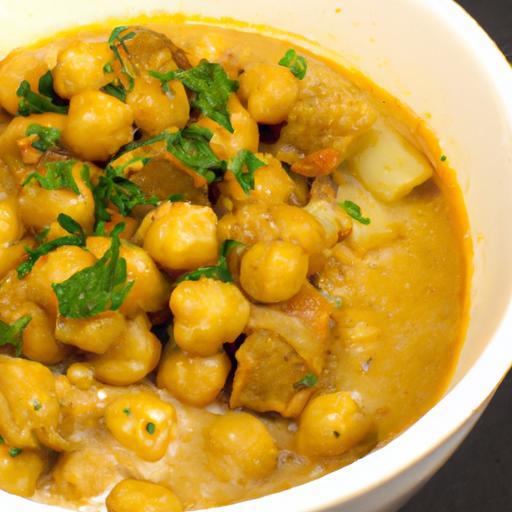
In the heart of Ethiopia’s rich culinary tapestry lies a humble yet profoundly flavorful dish that has warmed countless homes and brought people together for generations: Shiro Wot. This creamy chickpea stew, steeped in tradition and vibrant with spices, is more than just a meal-it’s a party of culture, community, and comfort. As we unveil the secrets of Ethiopian Shiro Wot, prepare to embark on a sensory journey where velvety textures meet aromatic spices, inviting you to experience the soulful essence of Ethiopia, one luscious spoonful at a time.
Origins and Cultural Importance of Ethiopian Shiro Wot
Ethiopian Shiro Wot is much more than a creamy chickpea stew; it is a culinary emblem deeply woven into the fabric of Ethiopian culture. Traditionally served during fasting periods and critically importent communal gatherings,this humble yet hearty dish embodies the spirit of Ethiopian hospitality and resilience. Rooted in a cuisine that emphasizes vegetarian and vegan-kind meals, shiro Wot has been carefully preserved through generations, offering a soul-warming experience that transcends borders.
Legend has it that Ethiopian grandmothers perfected this dish over centuries, using only what was abundant in their environment: chickpeas, berbere spice, and niter kibbeh.This stew, silky smooth and intensely flavorful, often accompanies injera, Ethiopia’s famed sourdough flatbread, symbolizing unity and sharing. Its significance is also spiritual for Ethiopian Orthodox Christians, who break fasts with Shiro Wot, savoring its rich nourishment and comforting texture.
Key Ingredients and Their Nutritional Benefits
Diving into the composition of this creamy chickpea stew reveals a powerful nutritional profile that fuels both body and soul. Chickpeas, the main ingredient, are a superb plant-based protein source, rich in dietary fiber and essential minerals like iron and magnesium, supporting digestion and energy metabolism. The signature berbere spice blend isn’t just about heat; its aromatic mix of chili, paprika, garlic, and fenugreek contains antioxidants that boost immunity.
Niter kibbeh – a fragrant Ethiopian spiced clarified butter – imparts warmth and depth while providing healthy fats that aid nutrient absorption. Additionally, the inclusion of finely ground dried chickpeas or chickpea flour thickens the stew, enhancing its creamy texture without relying on heavy dairy, making it naturally gluten-free and vegan when prepared traditionally.
Prep and Cook Time
- Preparation: 15 minutes
- Cooking: 35 minutes
- Total Time: 50 minutes
Yield
Serves 4 generous portions
Difficulty Level
Medium – Perfect for home cooks looking to explore Ethiopian flavors with authentic results.
Ingredients
- 1 cup dried chickpeas, soaked overnight or 2 cups canned chickpeas, drained and rinsed
- 1/2 cup chickpea flour (or ground dried chickpeas)
- 3 tablespoons niter kibbeh (Ethiopian spiced clarified butter; substitute with ghee or unsalted butter if unavailable)
- 2 tablespoons berbere spice (adjust to taste)
- 1 medium yellow onion, finely chopped
- 3 cloves garlic, minced
- 2 tablespoons tomato paste
- 4 cups water or vegetable broth
- Salt, to taste
- Fresh cilantro or parsley for garnish (optional)
Step-by-Step Guide to Preparing Authentic Creamy Chickpea Stew
- Prepare the chickpeas: If using dried chickpeas, rinse and soak overnight. Drain and cook in boiling water until tender (about 45 minutes). For canned, simply rinse and drain.
- Sauté aromatics: Heat niter kibbeh in a heavy-bottomed pan over medium heat. add finely chopped onion and cook until translucent and golden,about 7 minutes. Stir in minced garlic and sauté 1 more minute, releasing fragrant aromas.
- Add berbere and tomato paste: Sprinkle in berbere spice and stir well to evenly coat the onions. Mix in tomato paste and cook for 3 minutes to deepen the flavor.
- Incorporate chickpea flour: Gradually whisk chickpea flour into the mixture, stirring constantly to prevent lumps and develop a smooth base.
- Add liquid: Slowly pour in the water or vegetable broth, maintaining a steady stir. Bring to a gentle simmer, allowing the stew to thicken. This should take about 15 minutes, stirring occasionally to prevent sticking.
- Fold in cooked chickpeas: Add cooked chickpeas to the stew, mashing some with the back of a spoon to create a creamy consistency while leaving others whole for texture.
- Simmer and season: Continue cooking for another 10 minutes on low heat. Taste and adjust salt or berbere spice for your preferred balance of heat and depth.
- Finish and serve: remove from heat, garnish with fresh cilantro or parsley if desired, and serve immediately with injera or crusty bread.
Expert Tips for Perfecting Flavor and Texture in Shiro Wot
- Customize the berbere: Store-bought blends vary in intensity. Start with 1 tablespoon and work your way up to avoid overpowering the dish.
- Use quality niter kibbeh: This spiced clarified butter is the heart of authentic Shiro Wot. If unavailable, infuse ghee with cardamom, cinnamon, and cloves for approximate flavor.
- Achieve creaminess: Mashing some chickpeas against the pot walls while stirring releases natural starch, creating a smooth texture without cream.
- Make ahead: this stew thickens as it cools-reheat gently with a splash of water or broth to restore silky consistency.
- For a gluten-free dish: Ensure your berbere blend is free of wheat fillers and avoid adding any thickeners beyond chickpea flour.
- Control spice: To mellow the heat,add a small spoonful of honey or a dash of lemon juice just before serving.
Serving Suggestions
Shiro Wot shines when served traditionally atop fluffy, spongy injera-a sourdough flatbread that doubles as a utensil. The slight tang of injera beautifully balances the stew’s rich, spicy flavors. Garnish with fresh herbs like cilantro for a pop of greenery and freshness. For a textural contrast, accompany the meal with lightly sautéed greens such as collard or kale. A side of fresh tomato salad or crisp cucumber slices adds luminous, cooling notes, enhancing the overall experience.

Nutritional Information per Serving
| Calories | Protein | Carbohydrates | Fat |
|---|---|---|---|
| 280 kcal | 15 g | 35 g | 9 g |
For those eager to explore more Ethiopian cuisine, check out our classic Doro Wat chicken stew recipe. To deepen your understanding of Ethiopian spices, the Encyclopaedia Britannica provides a fascinating history on berbere and its cultural role.
Q&A
Q&A: Ethiopian Shiro Wot – Creamy Chickpea Stew Unveiled
Q1: what is Shiro Wot?
A1: Shiro Wot is a beloved Ethiopian stew made from finely ground chickpeas or broad beans, simmered to a rich, creamy consistency. It’s a staple comfort food that captures the essence of Ethiopian culinary tradition with its earthy flavors and vibrant spices.
Q2: Why is Shiro Wot so special in Ethiopian cuisine?
A2: Beyond its luscious texture and warming taste, Shiro Wot holds cultural significance. It’s frequently enough enjoyed during fasting periods and communal meals, embodying both nourishment and connection. Its simplicity, combined with bold, fragrant spices, makes it a versatile dish that resonates across generations.
Q3: What are the key ingredients in Shiro Wot?
A3: The heart of Shiro Wot lies in powdered chickpeas or shiro powder.This is cooked slowly with onions, garlic, ginger, and generous amounts of berbere-a fiery Ethiopian spice blend featuring chili, coriander, fenugreek, and more. A splash of oil or clarified butter (niter kibbeh) enriches the stew, creating its signature creamy texture.
Q4: How does Shiro Wot taste?
A4: Imagine a velvety stew where smoky heat meets subtle earthiness, rounded out by a gentle sweetness from caramelized onions. The berbere spice dance lingers on the palate, waking your senses without overpowering. It’s both hearty and soothing-a warm hug in a bowl.
Q5: How is Shiro Wot traditionally served?
A5: Traditionally,Shiro Wot is ladled over injera,Ethiopia’s sourdough flatbread made from teff flour. Diners tear off pieces of injera to scoop up the stew, creating an interactive and communal dining experience. It’s often accompanied by other wots (stews) and fresh vegetables to balance the meal.
Q6: Can Shiro Wot be adapted for modern or international kitchens?
A6: Absolutely! While authentic shiro powder can be found in specialty markets, home cooks often blend chickpea flour with custom spice mixes to recreate the stew. For a vegan and gluten-free delight, Shiro Wot fits right in, inviting culinary creativity while honoring its roots.
Q7: What makes Shiro Wot a grate dish for those exploring Ethiopian food?
A7: Shiro Wot is a gentle introduction to Ethiopian flavors-comforting yet complex, accessible yet deeply traditional. Its creamy, spiced profile invites curiosity, making it a perfect gateway to the rich tapestry of Ethiopia’s vibrant food culture.
Unveiling Shiro Wot reveals more than a dish; it opens a door to Ethiopia’s heart, where every spoonful tells a story of warmth, community, and time-honored flavors.
The Conclusion
In the rich tapestry of Ethiopian cuisine, Shiro Wot stands out as a comforting embrace-a creamy chickpea stew that tells a story of tradition, resilience, and vibrant flavors. Beyond its humble ingredients lies a dish that unites families and communities around the table, inviting both novice and seasoned palates to savor a taste of Ethiopia’s culinary heritage. As you explore the simmering depths of Shiro wot’s spices and velvety texture, you’re not just enjoying a meal-you’re partaking in a timeless ritual that celebrates nourishment, culture, and the simple joy of sharing food. Whether you’re recreating it at home or discovering it in an Ethiopian eatery, Shiro Wot offers a delicious gateway to a world where every spoonful is a flavorful journey.