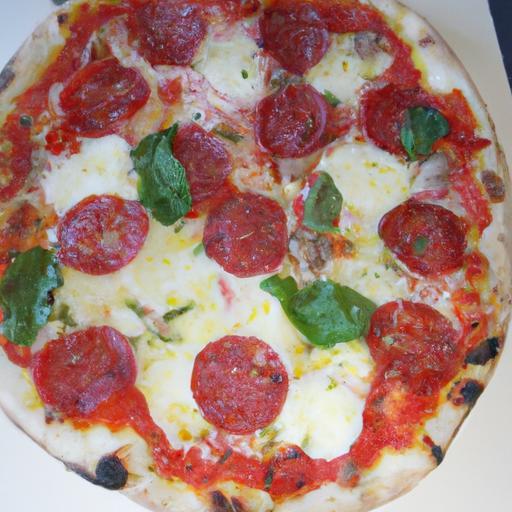
There’s somthing undeniably captivating about Sicilian-style pizza-its golden, airy crust, the rich melody of vibrant tomato sauce, and the harmonious blend of fresh, robust toppings. More than just a meal, this pizza is a vivid slice of Sicily’s history and culture, a culinary art form passed down through generations. Mastering the craft of authentic Sicilian-style pizza is an invitation to explore customary techniques, time-honored ingredients, and the soulful spirit that makes every bite a celebration.Join us as we uncover the secrets behind this iconic dish, and learn how to bring a true taste of Sicily into your own kitchen.
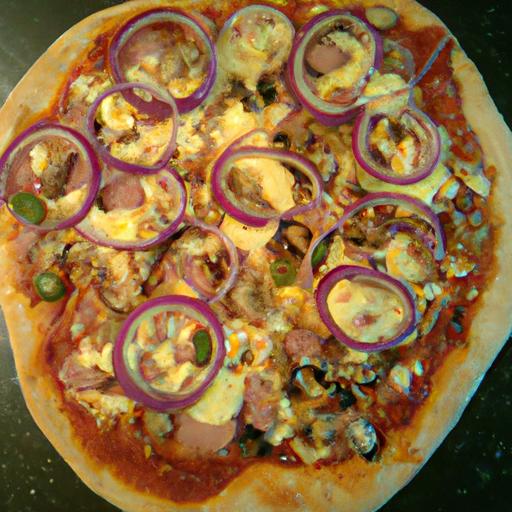
Master the Art: Crafting Authentic Sicilian-Style Pizza brings you on a sensory journey to the sun-kissed shores of Sicily, where bold flavors and time-honored traditions shape every bite. The thick, airy crust with its golden, crispy edge and robust, savory toppings tell a story of rustic Italian kitchens, communal tables, and joyful gatherings. Embracing Sicilian pizza foundations means mastering dough techniques that achieve that perfect texture-light and fluffy within, with a satisfyingly crisp bottom that resists sogginess. Selecting traditional toppings like rich tomato sauce, hearty anchovies, pungent Pecorino, and aromatic fresh herbs will elevate authenticity, while simple baking secrets turn your oven into a Sicilian pizzeria.
prep and Cook Time
- Prep Time: 20 minutes (plus 2-hour dough rise)
- Cook Time: 20-25 minutes
- Total Time: Approximately 2 hours 45 minutes
Yield
Serves 6 generous slices (about 4 servings)
Difficulty Level
Medium - requires planning and gentle technique,but perfect for home bakers ready to elevate their pizza game.
Ingredients
- 500g (4 cups) bread flour, sifted
- 350ml (1½ cups) warm water (about 100°F/38°C)
- 10g (2 tsp) active dry yeast
- 10g (2 tsp) fine sea salt
- 30ml (2 tbsp) extra virgin olive oil, plus extra for pan
- 250g (1 cup) canned San Marzano tomatoes, crushed
- 100g (3½ oz) mozzarella di bufala, torn into small pieces
- 35g (1¼ oz) Pecorino romano cheese, grated
- 6-8 anchovy fillets (optional but traditional)
- 1 tsp dried oregano
- Fresh basil leaves for garnish
- Coarse sea salt and cracked black pepper to taste
Instructions
- Activate the yeast: In a small bowl, combine the warm water and active dry yeast. Stir gently, then let it rest for 5-10 minutes until frothy and bubbly, indicating the yeast is alive.
- Mix the dough: In a large bowl, whisk together the bread flour and sea salt. Create a well in the center and pour in the yeast mixture and olive oil. Stir with a wooden spoon or your hand until a shaggy dough forms.
- Knead gently: Transfer the dough onto a lightly floured surface. Knead for about 8-10 minutes until the dough becomes smooth, elastic, and slightly tacky. avoid over-kneading; aim for a texture that springs back when pressed.
- First rise: Lightly oil a clean bowl. Place the dough inside, turning once to coat all sides with oil. Cover with a damp cloth or plastic wrap, and let rise at room temperature for 2 hours or until doubled in size. this slow fermentation develops flavor and the signature airy crumb.
- prepare the pan: Generously oil a rectangular 12×16 inch metal baking pan with extra virgin olive oil. This step is crucial for the crust to crisp evenly and develop a lacy golden edge.
- Shape the dough: Gently transfer the risen dough into the pan. Using oiled fingertips, stretch and press dough evenly to cover the bottom. Don’t rush-allow gentle pressure to preserve air bubbles, which create the light, spongy interior.
- Second rise: Cover the pan loosely with plastic wrap. Let the dough rest and rise for another 30 minutes to 1 hour until it noticeably puffs up and fills the pan.
- Add toppings: Preheat your oven to 475°F (245°C). Spread crushed San Marzano tomatoes evenly over the dough. Sprinkle dried oregano and season the sauce with a pinch of coarse sea salt and cracked black pepper.Scatter torn mozzarella and Pecorino over the surface. Arrange anchovy fillets in diagonal lines if using-they imbue the pizza with authentic Umami depth.
- Bake to perfection: Place the pan in the oven on the middle rack. Bake for 20-25 minutes or until the crust is golden brown and crispy around the edges, with bubbling cheese and a slightly caramelized sauce.For ultra-crispness,in the final 2 minutes,switch to oven’s broiler setting,watching carefully to avoid burning.
- Finish and serve: Let the pizza rest 3-5 minutes after removal. Garnish generously with fresh basil leaves for a burst of vibrant aroma. Slice into thick squares and serve hot, pairing with a robust Sicilian red or your favorite sparkling water.
Tips for Success
- flour choice matters: Bread flour gives strength and chewiness. If unavailable, a strong all-purpose flour works but expect a slightly softer crust.
- Water temperature: Keep it warm but not hot to preserve yeast vitality. Overheating water kills the yeast, stalling rise.
- Olive oil in the pan: Don’t skimp-this ensures the crispy golden base Sicilian pizza is famous for.
- Slow fermentation: For deeper flavor, refrigerate the dough overnight after the first rise. Bring to room temperature before shaping.
- Toppings: Less is more. Traditional Sicilian pizza toppings showcase quality and balance rather than overload.
Serving Suggestions
This pizza shines as a convivial meal-serve alongside a simple arugula salad with lemon, shaved Parmesan, and toasted pine nuts. A drizzle of extra virgin olive oil or a sprinkle of Calabrian chili flakes adds exciting finishes. Offer crusty bread and a side of olives to complete the rustic Sicilian experience. Leftovers make outstanding panini or next-day snacks!

| Nutrient | Amount per Serving |
|---|---|
| Calories | 420 kcal |
| Protein | 18 g |
| Carbohydrates | 48 g |
| Fat | 15 g |
For more in-depth pizza dough mastery, be sure to check our guide to artisan pizza dough techniques. To understand how yeast transforms dough into light cloudlike bases, explore this comprehensive yeast science article.
Q&A
Q&A: Master the Art of Crafting Authentic Sicilian-Style Pizza
Q: What sets Sicilian-style pizza apart from other types of pizza?
A: Sicilian-style pizza is renowned for its thick,airy crust that’s more akin to focaccia than the thin Neapolitan pie. It’s baked in a rectangular pan, resulting in a crispy bottom and soft, pillowy interior. This style frequently enough features a rich tomato sauce, a generous layering of cheese, and hearty toppings – all combining to create a robust, comforting flavor profile that’s distinctly Sicilian.
Q: What type of dough is used to achieve the classic Sicilian crust?
A: Authentic sicilian dough is high in hydration and uses a long fermentation process, often including a cold rise to develop complex flavors. The dough is enriched with olive oil, which helps achieve that golden, crispy crust with a tender crumb inside. The secret lies in the patience of letting the dough rise slowly, allowing natural yeasts to work their magic.
Q: How vital is the baking method in mastering Sicilian pizza?
A: Baking is crucial! Sicilian pizza is traditionally baked in a well-oiled rectangular pan at a high temperature.This technique ensures the bottom crisps up beautifully while the inside remains soft and chewy. Some home cooks achieve this with cast-iron pans or half-sheet trays. Preheating your oven to at least 475°F (245°C) and giving the pan a light coating of olive oil are key steps.
Q: What toppings are traditionally used on Sicilian pizza?
A: While toppings can vary, classic Sicilian pizzas often showcase simple but bold ingredients like fresh tomato sauce, mozzarella, anchovies, onions, olives, and strong Sicily-grown herbs like oregano and basil. The focus is on layering flavors rather than piling on numerous toppings, letting each ingredient shine through.
Q: Can I make an authentic Sicilian pizza at home without professional equipment?
A: Absolutely! The beauty of Sicilian pizza is its rustic nature, making it very approachable for home cooks. Use a sturdy rectangular or square baking pan, good-quality olive oil, and fresh ingredients. The key is mastering the dough-allow enough time for fermentation and practice the right oven temperature to get that perfect crust crispness.
Q: What are common mistakes to avoid when making Sicilian-style pizza?
A: Two pitfalls are under-proofing the dough and using insufficient oil on the baking pan. Under-proofed dough results in a dense, heavy crust rather than the airy texture sicilian pizza is famous for. Skimping on oil deprives the crust of its signature crispy, flavorful bottom. Also, overcrowding the pizza with toppings can weigh down the dough, preventing that perfect rise.
Q: How does Sicilian pizza reflect the culture and history of Sicily?
A: Sicilian pizza embodies the island’s rich agricultural heritage and pragmatic approach to food-simple ingredients elevated through careful technique. Historically, it was a hearty meal for working families, designed to be filling and flavorful without extravagance. Each bite captures the warmth of Sicilian hospitality and the robust flavors of sun-ripened tomatoes, fragrant herbs, and local olive oil.
Q: Any final tips for aspiring Sicilian pizza artisans?
A: embrace the process and savor each step-from nurturing your dough to layering fresh toppings. Don’t rush the rise, and respect your oven’s quirks. Most importantly, infuse your pizza with love and patience-after all, great Sicilian pizza isn’t just food; it’s an experience. Buon appetito!
Concluding Remarks
As you close this chapter on mastering the art of Sicilian-style pizza, remember that authenticity isn’t just about ingredients or technique-it’s about passion, patience, and a love for tradition baked into every bite. Whether you’re shaping the dough with practiced hands or layering on the freshest Sicilian toppings, each pizza tells a story rooted in sun-soaked landscapes and vibrant culture. So take your time, savor the process, and let your kitchen become a little corner of Sicily, where every slice is a celebration of heritage and flavor. now, go forth and craft your own appetizing legacy-as the true art of Sicilian pizza lives not only in the oven but also in the heart of the maker.