When it comes to elevating everyday meals,sometimes all it takes is a burst of vibrant flavor and a dash of creativity from the side dishes. Korean cuisine, celebrated worldwide for its bold tastes and harmonious balance, offers a treasure trove of mouthwatering side dishes-or banchan-that can transform any plate into a memorable feast. From the spicy crunch of kimchi to the subtle sweetness of japchae, these delightful accompaniments not only complement main courses but also bring a colorful, nutritious twist to the table. In this article, we invite you to discover flavorful Korean side dish recipes that will awaken your palate and spice up your meals, turning every dining experience into a festivity of flavor and culture.
Mastering the Art of Kimchi Variations for Enhanced flavor Profiles
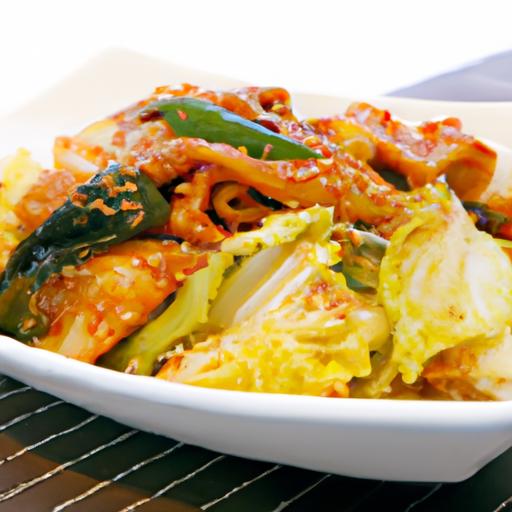
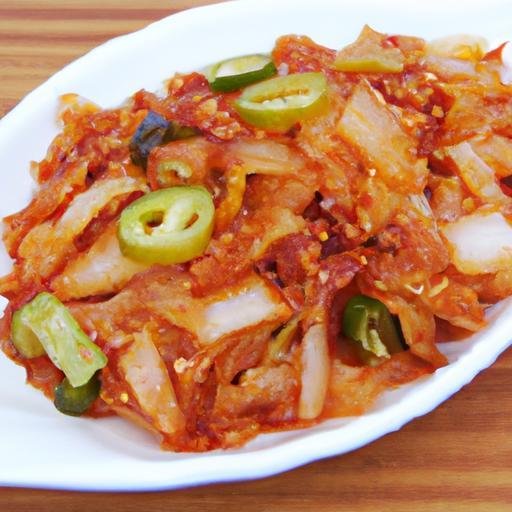
Discover delicious Korean side dish recipes to spice up meals begins perfectly with kimchi, the iconic fermented vegetable dish renowned for its vibrant flavors and health benefits. Originating from Korea’s centuries-old culinary traditions, kimchi transforms humble cabbage and radish into layers of spicy, tangy, and umami-rich goodness. My personal journey with kimchi started during a trip to Seoul, where each family’s version felt like tasting history on a plate-offering a blend of crunchy textures and deeply nuanced flavors that complement every meal.
Prep and Cook Time
- Preparation: 30 minutes (plus 6-8 hours salting and overnight fermentation)
- Cooking: No cooking required (fermentation process)
yield
Approximately 4 cups (serves 4 as a side dish)
Difficulty Level
Medium – requires planning for fermentation, but simple steps
Ingredients
- 1 medium Napa cabbage (about 2 lbs), cut into quarters
- 1/4 cup sea salt (coarse, for salting cabbage)
- 1 cup Korean radish, julienned
- 4 scallions, chopped into 1-inch pieces
- 5 cloves garlic, minced
- 1 teaspoon fresh ginger, grated
- 3 tablespoons Korean red pepper flakes (gochugaru) – adjust for spice level
- 2 teaspoons fish sauce (or soy sauce for vegan option)
- 1 teaspoon sugar
- 1/2 cup filtered water
Instructions
- Salt the cabbage: Generously sprinkle coarse sea salt between each leaf of the quartered cabbage. Place in a large bowl and let sit for 6-8 hours, flipping once halfway through to ensure even wilting.
- Prepare the spice paste: Combine garlic, ginger, gochugaru, fish sauce, sugar, and filtered water in a bowl to form a thick, vibrant red paste. Adjust gochugaru quantity depending on your preferred heat.
- Rinse and drain the cabbage: Thoroughly rinse the salted cabbage under cold water to remove excess salt, then drain well-this prevents an overpowering salty flavor.
- Mix vegetables: Toss the julienned radish and chopped scallions into the spice paste. Use your hands (wear gloves to protect your skin) to coat evenly.
- Combine cabbage and paste: Spread the spice paste mixture between all layers of the cabbage quarters, ensuring every leaf is coated.
- Pack and ferment: Firmly pack the coated cabbage into a clean, airtight container or customary Onggi pot, pressing down to eliminate air pockets. Leave at room temperature for 24-48 hours to kick-start fermentation, then move to the refrigerator to mature for 5-7 days.
- Serve: Once fermented to your liking,slice kimchi into bite-sized pieces to enjoy as a flavorful side dish that instantly brightens any meal.
Chef’s Notes
- Variation ideas: Experiment by substituting Napa cabbage with other vegetables like cucumbers or mustard greens for refreshing takes on kimchi.
- Spice balance: Adjust gochugaru incrementally to control the heat, or add a touch of fermented shrimp paste for depth (if you can source it).
- Fermentation tips: Warmer room temperatures speed up fermentation but monitor to prevent over-souring. Use a weight to keep vegetables submerged in juice.
- Make ahead: Kimchi can improve in flavor for weeks refrigerated and stores well-perfect for meal prep anticipation.
Serving Suggestions
Kimchi is extremely versatile: serve chilled alongside steamed rice, grilled meats, or in hearty stews like Kimchi Jjigae.Garnish with toasted sesame seeds or a drizzle of sesame oil for a nutty finish. Pair with a crisp cucumber salad or Korean-style pancakes to balance heat with refreshing crunch.

| Nutrient | Per serving (1/4 cup) |
|---|---|
| Calories | 15 kcal |
| Protein | 1g |
| Carbohydrates | 3g |
| Fat | 0.1g |
Incorporating nutritious and Easy to Prepare Banchan into Your Daily Menu
The beauty of Korean cuisine lies in its collection of banchan-small, colorful side dishes designed to elevate your main plate with bold textures and balanced spice. Think sautéed spinach seasoned lightly with garlic and sesame oil, crunchy pickled cucumbers, or flavorful braised potatoes.These swift recipes nurture your palate with fresh ingredients while contributing essential vitamins.
For an easy introduction, prepare Sigeumchi Namul (Sautéed Spinach), a classic that marries simplicity with flavor. Use sesame seeds and soy sauce to balance subtle bitterness with nutty sweetness. Regularly rotating banchan keeps meals exciting and nutritionally complete.
Tips and Tricks for Balancing Spices and Textures in Korean Side Dishes
Successful Korean side dishes expertly balance spice, sweetness, acidity, and texture. Always layer your flavors with fermented ingredients like kimchi or doenjang paste for depth. When working with spicy chili flakes, consider tempering with sweet or sour components such as honey or vinegar to avoid overwhelming the palate.
Incorporate crunchy elements like toasted nuts or fresh vegetables alongside soft fermented banchan to enhance your meal’s mouthfeel. Don’t shy away from experimenting-sample small batches, adjust seasoning, and embrace the vibrant harmony Korean side dishes bring. This adaptability is one reason these recipes remain beloved worldwide.
Q&A
Q&A: Discover Delicious Korean Side Dish Recipes to Spice Up Meals
Q1: What makes Korean side dishes unique compared to other cuisines?
A1: Korean side dishes, or banchan, are a vibrant medley of flavors and textures that complement the main meal. What sets them apart is their bold use of fermented ingredients, an artful balance of spicy, sweet, sour, and savory notes, and their emphasis on variety-your table might feature anything from tangy kimchi and crunchy pickled radishes to savory soybean sprouts and sweet seasoned spinach.
Q2: Why should I include Korean side dishes in my everyday meals?
A2: Korean side dishes not only elevate your dining experience with bursts of flavor but also provide nutritional benefits. Many banchan are vegetable-based, fermented, or lightly seasoned, helping to aid digestion, boost gut health, and add a colorful, balanced variety to your plate.Plus, they turn any simple meal into a festive feast!
Q3: What are some beginner-pleasant Korean side dishes I can try at home?
A3: Start with classics like kimchi (spicy fermented cabbage), kongnamul muchim (seasoned soybean sprouts), and ojingeochae bokkeum (spicy dried squid stir-fry). These recipes require minimal ingredients, are quick to prepare, and offer a true taste of Korean flavors without overwhelming your palate or kitchen time.
Q4: How do Korean side dishes “spice up” a meal? must they all be spicy?
A4: While many Korean side dishes use red chili pepper flakes (gochugaru) to add heat, not all are fiery. The “spice” often refers to the exciting blend of flavors-spicy, tangy, sweet, and umami-that awaken your taste buds.Even non-spicy sides like seasoned seaweed or mild cucumber salads bring variety and zest that make the meal more dynamic.
Q5: Can Korean side dishes be adapted for different dietary preferences?
A5: Absolutely! Many banchan are naturally vegetarian, vegan, or gluten-free. You can easily modify recipes by substituting ingredients-like using tamari instead of soy sauce for gluten sensitivity or skipping fish sauce for a vegan option-while maintaining authentic flavors. Korean cuisine’s focus on vegetables and fermentation makes it highly adaptable to diverse diets.
Q6: How can I incorporate korean side dishes into Western meals?
A6: Korean side dishes are fantastic as accompaniments to grilled meats, roasted vegetables, or even brunch bowls. Imagine kimchi alongside a classic burger to add tang and crunch, or seasoned spinach tucked into a grain bowl for added texture. their bold flavors pair well with a wide variety of dishes, bringing a fresh, exciting twist to familiar meals.
Q7: Any tips for cooking and storing Korean side dishes?
A7: Many Korean side dishes develop deeper flavors as they marinate, so prepare them a few hours-or even a day-ahead. Use airtight containers to keep them fresh in the fridge, and enjoy them within a week for optimal taste and texture. Remember, fermentation is a living process-kimchi evolves over time, becoming tangier and more complex the longer it sits.
Ready to awaken your meals with Korean flair? Dive into these side dish recipes and let your taste buds embark on a flavorful adventure!
The Way Forward
As you embark on your culinary adventure with these vibrant Korean side dishes, remember that each bite is more than just flavor-it’s a journey into a rich tradition of taste, texture, and culture. Whether you’re adding a spicy kick with kimchi, a sweet crunch with japchae, or a tangy twist with pickled radishes, these recipes are your gateway to transforming everyday meals into memorable feasts. So go ahead, experiment boldly, and let these delicious banchan inspire you to spice up your table with a touch of Korea’s colorful and flavorful charm. Your taste buds will thank you!