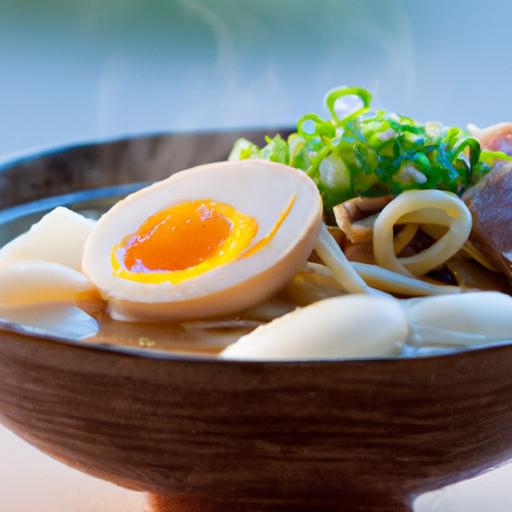

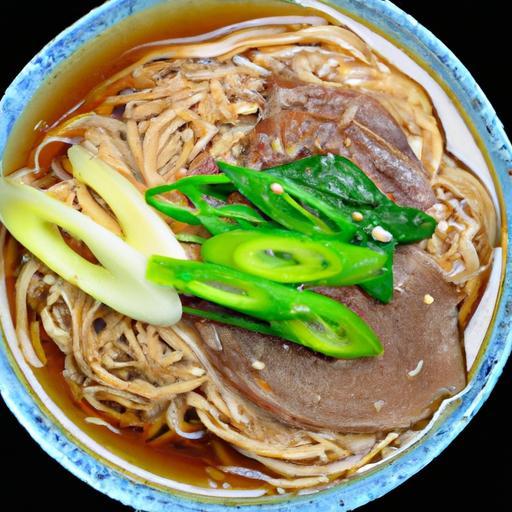
There’s a particular kind of magic in the swirling steam rising from a bowl of japanese noodle soup-a ritual that invites slurps,savoring,and stories shared across generations. In japan, slurping isn’t just acceptable; it’s a cherished tradition that enhances the flavors and connects eaters to centuries of culinary artistry.From the hearty warmth of ramen to the delicate harmony of soba and udon,each noodle soup tells a story steeped in culture,seasonality,and regional pride. Join us as we dive into the slurping tradition, exploring the origins, etiquette, and varieties of Japan’s beloved noodle soups-a tasty journey that transcends taste and embraces the soul of Japanese dining.
Slurping Tradition is much more than a simple eating habit in japan-it’s a vivid expression of gratitude and cultural connection that brings the humble noodle soup to life. Originating centuries ago, this practice enhances flavor perception and symbolizes respect for the chef’s craftsmanship. whether you’re nestled in the heart of Tokyo or exploring rural Kyushu, each region’s noodle soup and corresponding slurping style reveal a uniquely local story and culinary identity. Mastering authentic slurping techniques not only amplifies your tasting experience but bridges you to centuries of tradition, making every bowl an immersive cultural journey.
Prep and Cook Time
- Planning: 20 minutes
- Cooking: 40 minutes
- Total Time: 1 hour
Yield
- Serves 4 generous portions
Difficulty Level
- Medium
the Art of Crafting an Authentic Japanese Noodle Soup
- 4 cups dashi stock (made from kombu and bonito flakes, for that umami depth)
- 200g fresh ramen noodles (or substitute with udon or soba for regional variety)
- 200g sliced chashu pork (braised pork belly)
- 2 soft boiled eggs, halved
- 2 tbsp soy sauce
- 1 tbsp mirin
- 1 tsp sesame oil
- 3 green onions, thinly sliced
- 1 sheet nori (seaweed), cut into strips
- 1 tsp grated fresh ginger
- Optional: bamboo shoots, corn kernels, narutomaki (fish cake slices)
Instructions
- Prepare the Dashi Stock: In a medium pot, soak 10cm kombu strip in 4 cups of cold water for 30 minutes. Heat gently without boiling, remove kombu at 80°C, add 1 cup bonito flakes, simmer for 5 minutes, then strain. This clear, delicate broth forms the umami backbone of your noodle soup.
- Season the Broth: Return the dashi to the pot and stir in soy sauce, mirin, and sesame oil. Adjust seasoning by tasting; it should feel balanced yet savory, a hint of sweetness rounding the edges.
- Cook the Noodles: Bring a large pot of water to a rapid boil. Add ramen noodles and cook for 2-3 minutes or according to package instructions until just tender but with a slight bite. Drain and rinse briefly under cold water to halt cooking and remove excess starch.
- Prepare Toppings: While noodles cook, slice chashu pork thinly and prepare garnishes like nori strips, halved eggs, and green onions for freshness and texture contrast.
- Assemble the bowl: Divide the noodles into warm bowls. Pour the hot broth over them, ensuring the noodles are fully submerged but delicate to the touch.
- Top Artistically: Garnish with chashu slices, soft-boiled egg halves, scallions, ginger, and nori strips. Optional bamboo shoots or narutomaki add authentic flair and varied textures.
- Master the Slurp: Lift a small bundle of noodles with chopsticks,bring close to the mouth,and slurp audibly but with delight. This technique helps cool the noodles slightly while aerating the broth, releasing richer aromas and intensifying flavor.
tips for Success
- Dashi Stock: For quicker preparation, use quality instant dashi powder, but fresh homemade dashi elevates flavor remarkably.
- Noodles: Use fresh over dried noodles wherever possible; the chewy texture is foundational to the Slurping Tradition experience.
- Slurping Technique: Practice in front of a mirror-draw air along with noodles from the bowl. The louder you slurp (without being disruptive), the more you engage culturally and tastefully.
- Make-Ahead Tip: Prepare broth and chashu a day ahead; flavors deepens and make your serving stress-free.
- Regional Twist: Swap soy sauce with miso paste for a hearty Hokkaido-style ramen or add chili oil for spicy Kyushu tonkotsu flair.
Serving Suggestions
Serve your noodle soup in deep, wide bowls to allow for an easier slurping ritual and more aromatic enjoyment. Use lacquered wooden chopsticks paired with a ceramic spoon for traditional aesthetics. garnish with bright green scallions, crisp nori, and a lightly toasted sheet of sesame seeds for visual and textural contrast. With a side of pickled ginger or a plate of delicate gyoza dumplings, your meal becomes a celebration of Japan’s rich noodle heritage and the joyful communal spirit behind every bowl.
| Nutrient | Per Serving |
|---|---|
| Calories | 450 kcal |
| Protein | 25 g |
| Carbohydrates | 55 g |
| Fat | 12 g |

Embrace the Slurping Tradition as you explore these iconic noodle soups on your next visit to Japan. For an in-depth look at regional recipes, check out our comprehensive guide to Japanese noodle recipes. For additional cultural context and etiquette, the japan Guide Slurping Etiquette offers authoritative insight. Step into the warmth, taste bold umami layers, and savor a centuries-old tradition in every steaming, slurp-worthy bowl.
Q&A
Q&A: Slurping Tradition – A Guide to Japanese Noodle Soups
Q1: Why do Japanese people slurp their noodles? Is it considered rude?
A1: Far from being rude, slurping is a celebrated tradition in Japan! Slurping noodles loudly signals enjoyment and appreciation to the chef. It also helps to cool down the hot broth and evenly coat each strand with flavor, making each bite a perfect harmony of taste and texture. So next time you savor ramen or soba, don’t be shy-slurp away!
Q2: What types of noodles commonly appear in Japanese noodle soups?
A2: The three iconic noodle varieties are ramen, udon, and soba. Ramen noodles are thin, curly, and wheat-based-perfect for rich, umami-packed broths. Udon noodles are thick, chewy, and frequently enough served in lighter soups. Soba are thin buckwheat noodles, prized for their earthy flavor and often enjoyed both hot in broth or chilled with dipping sauce. Each noodle brings it’s own story and mood to the bowl.
Q3: How does the broth influence the noodle soup experience?
A3: The broth is truly the soul of Japanese noodle soups. From the complex, pork-based tonkotsu ramen broth to the clear, delicate dashi that flavors soba soup, broths set the emotional tone for the meal. They are crafted through slow-cooked stocks, infusions of kombu (kelp), dried bonito flakes, miso pastes, or soy sauces, marrying tradition with regional tastes.
Q4: What are some essential toppings to look out for?
A4: Traditional toppings add texture, flavor, and visual appeal. Classic ramen toppers include chashu (braised pork belly), soft-boiled marinated eggs, nori sheets, green onions, and bamboo shoots. Udon might be garnished with tempura flakes or kamaboko (fish cake). Soba is frequently enough accompanied by sliced scallions and grated daikon radish. These toppings turn a humble noodle bowl into a layered culinary adventure.
Q5: can I enjoy Japanese noodle soups year-round or are they seasonal?
A5: While hot noodle soups like ramen and udon warm you up during Japan’s chilly winters, soba can be enjoyed cold with dipping sauce on hot summer days. Seasonal variations abound, such as summer kitsune udon with chilled broth or wintery miso ramen with hearty vegetables. The slurping tradition embraces every season, turning noodles into a year-round celebration.
Q6: How can a novice appreciate the art of Japanese noodle soups?
A6: Start with an open palate and curiosity! Try different noodle types and broths to discover your favorites. Don’t hesitate to slurp-that’s part of the experience. Visit authentic ramen shops or Japanese restaurants that honor tradition,and observe the harmony of textures and tastes. with each bowl, you’ll not only fill your stomach but also savor a rich cultural ritual centuries in the making.
Q7: Is there etiquette to follow aside from slurping?
A7: Indeed-while slurping is encouraged, other manners ensure a respectful dining experience. try to finish all the noodles and broth to show appreciation. Use chopsticks properly and avoid sticking them upright in your bowl, as this resembles a ritual for the deceased. Lastly, feel free to express gratitude with a simple “gochisousama deshita” after your meal-it means “thank you for the feast,” honoring the chef’s craft.
Embark on your noodle journey with zest and respect, and let each bowl of Japanese soup noodle be a delicious story waiting to be told, one satisfying slurp at a time!
The way Forward
As the final strands of noodles slip through your lips and the rich broth warms your senses, you’ll realize that slurping in Japan is more than just a way to eat-it’s a celebration of culture, flavor, and connection. Whether you’re savoring a steamy bowl of ramen, udon, or soba, embracing the slurp invites you into a centuries-old tradition that honors both the craft of the cook and the joy of the diner. So next time you find yourself facing a Japanese noodle soup, don’t hold back-slurp boldly, appreciate deeply, and let each spoonful carry you a little closer to the heart of Japan’s culinary soul.