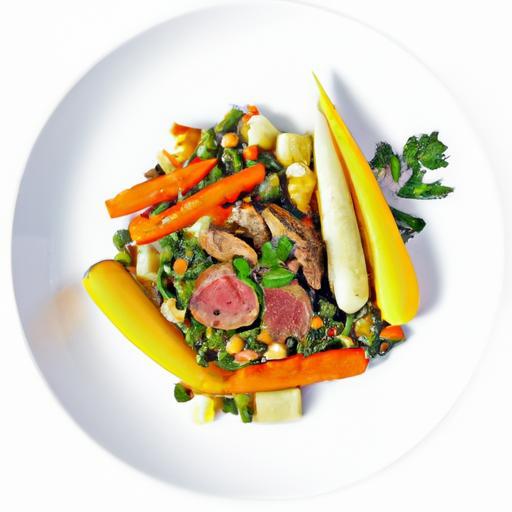
In the vast and vibrant world of gastronomy, every dish tells a story-sometimes one shrouded in mystery, tradition, or innovation. yet, beneath the layers of flavour and technique lie hidden truths, forgotten methods, and surprising origins that shape the foods we cherish today. Welcome to Smoking Guns for Food: Revealing Culinary Secrets Unveiled, where we embark on a captivating journey to decode the secrets simmering behind iconic recipes, uncover the covert science that elevates taste, and expose the historical twists that give our favourite dishes their unique identities.Prepare to see yoru kitchen staples in a whole new light, as we pull back the curtain on the culinary mysteries that have long kept food lovers guessing.
Smoking Guns for Food: Revealing Culinary Secrets Unveiled introduces you to the enchanting world where subtle ingredients and expert techniques redefine beloved classics. Imagine elevating a simple roasted chicken by unlocking the power of smoked paprika and maple wood chips, transforming everyday meals into extraordinary sensory experiences. This recipe taps into those hidden gems and cooking secrets, inspiring both novices and seasoned chefs to master flavors that sing.
Smoked Paprika Herb-Rubbed Roast Chicken
A beloved dish worldwide, roast chicken becomes a festival of aromas and tastes when infused with smoked paprika, fresh herbs, and a secret brine technique. This method harnesses the Smoking Guns for Food: Revealing Culinary Secrets Unveiled to bring restaurant-quality results into your kitchen effortlessly.
Prep and Cook Time
- Prep Time: 20 minutes (plus 4 hours brining)
- Cook Time: 1 hour 15 minutes
Yield
- Serves 6 generously
Difficulty Level
- Medium
Ingredients
- 1 whole chicken (about 4 lbs), patted dry
- 4 cups cold water
- 1/4 cup kosher salt
- 1/4 cup brown sugar
- 2 tbsp smoked paprika
- 1 tbsp garlic powder
- 1 tbsp onion powder
- 2 tsp freshly ground black pepper
- 1 tbsp dried thyme
- 1 tbsp dried rosemary, crushed
- 2 tbsp olive oil
- 2 lemons, halved
- 4 garlic cloves, smashed
- Fresh rosemary sprigs (optional, for garnish)
- Maple wood chips (for smoking, optional but recommended)
Instructions
- Brine the chicken: In a large bowl, dissolve kosher salt and brown sugar in cold water. Submerge the chicken wholly.Cover and refrigerate for 4 hours. This step ensures juicy, tender meat bursting with flavor.
- Prepare the smoking setup: If you have a smoking gun or smoker,soak maple wood chips for 30 minutes. Drain, then apply slow, gentle smoke to the chicken for 10-15 minutes until a delicate smoky aroma infuses the skin. This elevates the humble roast dramatically.
- Preheat the oven: to 425°F (220°C). simultaneously occurring, remove the chicken from the brine, rinse under cold water, and pat dry thoroughly. Moisture-free skin crisps better.
- Make the herb rub: In a bowl, combine smoked paprika, garlic powder, onion powder, black pepper, thyme, and rosemary. Add olive oil to create a paste.
- Apply the rub: Rub the spice-herb mixture all over the chicken, under the skin where possible, and inside the cavity. Squeeze lemon juice over, then place the halved lemons and garlic cloves inside the cavity for an aromatic steam infusion while roasting.
- roast the chicken: Place on a rack in a roasting pan breast side up. Cook for about 1 hour 15 minutes, or until an instant-read thermometer inserted into the thickest thigh reads 165°F (74°C). Baste occasionally with pan juices for golden, flavorful skin.
- Rest before serving: Tent the chicken loosely with foil and rest for 15 minutes to allow juices to redistribute perfectly.
Chef’s Notes: Tips for Success
- Sous-vide variation: Try sous-vide cooking at 150°F (65°C) for 2 hours after brining, then finish with the herb rub and oven roasting to maximize juicy texture.
- Smoked paprika alternatives: If unavailable,smoked cayenne or regular smoked chili powder offers a spicy smoky twist.
- Wood chip alternatives: Applewood or hickory chips work just as well, each lending unique smoky notes.
- Make-ahead: Brine the chicken the night before to deepen flavors. Keep refrigerated until roasting.
- Pan sauce bonus: After roasting, add white wine or chicken stock to the pan drippings, reduce over medium heat, then finish with butter for an elegant gravy.
Serving Suggestions
Serve your smoked paprika herb-rubbed roast chicken with rustic rosemary-roasted potatoes and a crisp arugula salad tossed in lemon vinaigrette. Garnish with fresh rosemary sprigs and a lemon twist for vibrant visual contrast and a fragrance that complements the smoky undertones.
| Nutrient | Per Serving |
|---|---|
| Calories | 420 kcal |
| Protein | 45 g |
| Carbohydrates | 3 g |
| Fat | 24 g |
For more smoky inspirations and flavor hacks, explore our in-depth guide on techniques for smoking meats. To deepen your understanding of food smoking science,visit the USDA National Institute of Food and Agriculture.

Q&A
Q&A: Smoking Guns for Food – Revealing Culinary Secrets Unveiled
Q1: What does the phrase “smoking guns for food” mean in this culinary context?
A1: Much like a “smoking gun” in a mystery indicates undeniable proof, in the culinary world, it refers to the definitive clues and techniques that unveil hidden truths behind food’s texture, flavor, and preparation.It’s about uncovering the secret weapons chefs use to transform ordinary ingredients into extraordinary dishes.
Q2: Why is it important to reveal these culinary secrets?
A2: Understanding the secrets behind cooking methods and ingredient manipulations not only deepens our appreciation for food but empowers home cooks to elevate their own creations.It turns the kitchen into a playground of innovation rather than a place of guesswork.
Q3: Can you give an example of a “smoking gun” in cooking?
A3: Absolutely! Take the humble sear on a steak-this Maillard reaction is a smoking gun for flavor,signaling the precise interaction of heat and protein layers that create complex,savory notes and a mouth-watering crust. Recognizing this helps cooks no why timing and temperature matter.
Q4: How do chefs use these smoking guns to create signature dishes?
A4: Master chefs identify the critical moments-when to fold in flavors, when to rest meats, or how to balance acidity and sweetness-that act as “smoking guns” in the recipe. They manipulate these factors like artists, knowing that unveiling these technical secrets leads to dishes with unforgettable taste and texture.
Q5: Are these culinary smoking guns always natural, or can they involve modern techniques?
A5: They span the spectrum! Some smoking guns are age-old-like the slow caramelization of onions or the perfect rise of dough-while others emerge from modern gastronomy, like sous-vide precision or molecular gastronomy tools. Both honor the spirit of revelation and revelation in cooking.
Q6: How can an everyday food lover start spotting these “smoking guns” in their own kitchen?
A6: Start by paying attention-observe how flavors deepen when you toast spices, or how texture changes when you rest dough. Experiment with small tweaks and take note of the chemical or physical cues: the caramel colour, the aroma, the sound of sizzling. Each clue points to the magic process behind great food.
Q7: Can revealing these culinary secrets take away the mystery and joy of eating?
A7: On the contrary! Knowing the “why” and “how” behind food’s magic only enhances the mystery’s allure. It invites curiosity and respect, making every bite a celebration of both science and art.
Q8: Where can readers explore more about these interesting culinary revelations?
A8: Dive into cookbooks by science-minded chefs, watch cooking documentaries, or even experiment with food science kits. Online resources and culinary schools increasingly promote this harmony of knowledge and creativity-perfect hunting grounds for food’s smoking guns.
Discovering the smoking guns in food is like unlocking a secret language where ingredients speak and techniques whisper.Embrace the adventure, and your kitchen becomes a detective’s lab for flavor!
Future Outlook
As the smoke clears from the sizzling revelations, the culinary world stands a little less mysterious and a lot more fascinating. From age-old traditions hidden in plain sight to modern techniques cloaked in secrecy,these smoking guns have cracked open the door to a richer understanding of the foods we savor every day. Armed with these unveiled secrets, we can now appreciate not just the flavors on our plates, but the stories, science, and artistry behind them.So next time you savor a bite, remember-the true magic lies not just in taste, but in the story waiting to be discovered.