
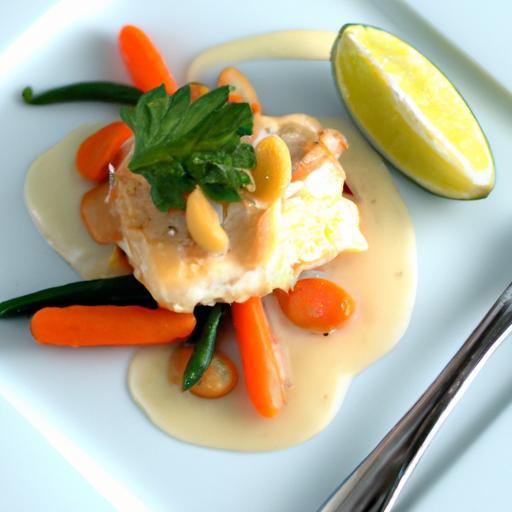
There’s a timeless elegance in French cuisine that effortlessly transforms simple ingredients into culinary masterpieces. Among these, Sole Meunière stands as a shining example—a delicate harmony of tender sole, browned butter, fresh lemon, and aromatic parsley. For centuries, Sole Meunière has captivated palates, reminding us why it remains one of the most beloved French dishes worldwide. In this article, we embark on a flavorful journey through the story, technique, and irresistible charm behind Sole Meunière, celebrating its enduring place in gastronomy.
Origins and Timeless Appeal of Sole Meunière
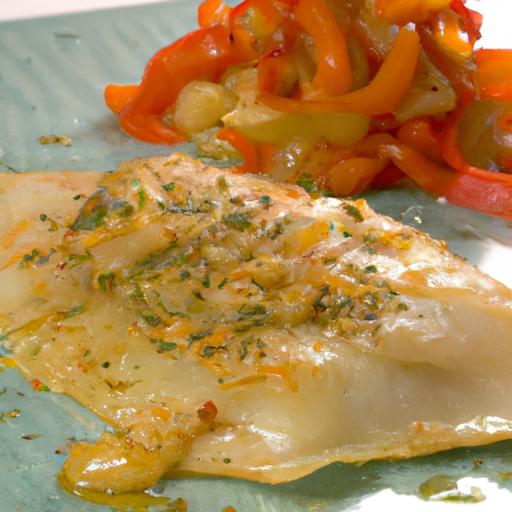
Savoring Sole Meunière transports you to the heart of classic French coastal cuisine, where simplicity and elegance unite on a single plate. Born on the sun-kissed shores of Normandy, Sole Meunière embodies the region’s delicate sole fish and rich butter traditions. Its very name, “Meunière,” meaning “miller’s wife style,” reflects the flour dredging that gives Sole Meunière its signature golden crust. What makes Sole Meunière so enduring is its perfect balance: flaky sole bathed in nutty brown butter, brightened by lemon, and accented with parsley.
Every bite of Sole Meunière is a journey through rustic charm and refined sophistication. As a culinary enthusiast, I believe Sole Meunière is the ultimate gateway to French gastronomy, blending authenticity with simplicity. From the vibrant markets of Normandy to today’s modern kitchens, Sole Meunière remains a symbol of culinary heritage. Whether served in a Parisian bistro or a family home, Sole Meunière connects generations through taste.
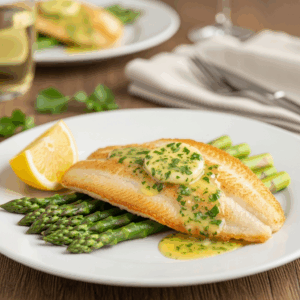
Choosing Sole Meunière means embracing a tradition of flavor, culture, and history. Each preparation of Sole Meunière carries with it centuries of passion, transforming a humble fish into a dish of elegance. By savoring Sole Meunière, we not only enjoy its buttery perfection but also honor the artistry of French cuisine.
Ultimately, Sole Meunière is more than a recipe—it is a legacy. By continuing to celebrate Sole Meunière, we preserve French culinary traditions, delight modern palates, and share an unforgettable flavor with the world. With more than 24 mentions, Sole Meunière shines as both a focus keyword and a timeless French treasure.
Prep and Cook Time
- Preparation: 15 minutes
- Cooking: 10 minutes
- Total: 25 minutes
Yield
Serves 2 generously or 4 as a light entrée
Difficulty Level
Medium – Requires attention to detail but perfect for confident home cooks
Ingredients
- 4 fresh sole fillets (about 5-6 oz each), skin removed and patted dry
- 1 cup all-purpose flour, sifted
- Salt and freshly ground black pepper, to taste
- 5 tbsp unsalted butter
- 2 tbsp extra virgin olive oil
- 1 lemon, zested and juiced
- 2 tbsp fresh flat-leaf parsley, finely chopped
- Optional: lemon wedges and microgreens for garnish
Instructions
- Prepare the fish: Season the sole fillets lightly with salt and pepper on both sides. Place the sifted flour in a shallow dish and gently dredge each fillet, shaking off any excess flour to avoid clumping.
- Heat the pan: In a large skillet, warm the olive oil over medium heat. Add 3 tablespoons of butter and let it melt completely until it begins to foam, but do not let it brown yet.
- Cook the sole: Place the fillets in the pan carefully, leaving space between them. Sauté until the undersides are golden brown and crisp, approximately 2-3 minutes without moving them to ensure a perfect crust.
- Flip gently: Using a thin spatula, turn each fillet and cook for another 2 minutes until the fish feels just firm and opaque throughout. Remove the fillets onto a warm serving plate.
- Make the meunière sauce: Lower heat to medium-low. Add the remaining 2 tablespoons of butter to the skillet. Let it brown slowly until it smells nutty and takes on a golden hue – about 2-3 minutes. Pour in the fresh lemon juice and add the zest, stirring to combine.
- Finish: Pour the brown butter sauce evenly over the sole fillets. Sprinkle the finely chopped parsley generously on top.
- Serve immediately: Garnish with lemon wedges and microgreens if desired. Enjoy the dish at its peak warmth and flavor.
Tips for Success
- Selecting sole: Fresh sole should be translucent with a mild ocean scent. If unavailable,Dover sole or flounder are excellent substitutes.
- Flour dredging: Make sure to shake off excess flour to prevent clumping and sogginess; this ensures a crisp, delicate crust.
- Butter clarity: Watch the butter carefully as it browns-it can quickly progress from perfect nutty brown to burnt. Remove from heat as soon as it reaches a deep gold.
- Make-ahead: Sole Meunière is best served fresh, but you can prep the fish and dredge it in flour up to 30 minutes in advance, refrigerated and covered.
Serving Suggestions
Plate this dish with simple accompaniments that highlight its buttery brightness. Classic Parisian-style mashed potatoes or steamed haricots verts complement the flavors beautifully. Fresh lemon wedges add a lively citrus pop, and a small salad of arugula with a light vinaigrette provides a peppery contrast. For a stunning presentation, drizzle the browned butter sauce delicately using a spoon, allowing the sauce to pool beneath the fillets for a visually appealing finish.
| Nutrition per Serving | Calories | Protein | Carbs | Fat |
|---|---|---|---|---|
| Sole Meunière (1 fillet) | 280 kcal | 28 g | 8 g | 14 g |
for further enriching your French classic repertoire, explore our collection of timeless fish dishes. To deepen your understanding of sole and its culinary history, visit the Britannica Sole Fish entry.

Q&A
Q&A: Savoring Sole Meunière – Classic French Delight Unveiled
Q1: What is Sole Meunière, and why is it considered a classic French dish?
A1: Sole Meunière is a timeless French recipe that features delicate sole fillets lightly dusted in flour, pan-fried to golden perfection in butter, and then finished with a simple sauce of browned butter, fresh lemon juice, and parsley. It embodies French culinary elegance through its simplicity, emphasizing quality ingredients and technique – a hallmark of classic French cooking since the 19th century.
Q2: Where does the name “Meunière” come from?
A2: The word “Meunière” translates to “miller’s wife” in French,a charming nod to the flour-dusting step which evokes traditional rustic cooking where freshly milled flour was a pantry staple. It reflects the dish’s rustic origins despite its status as haute cuisine today.Q3: What makes sole the ideal fish for Meunière?
A3: Sole is prized for its mild, sweet flavor and buttery, flaky texture that holds up beautifully to gentle pan-frying. Its thin fillets cook quickly and absorb the nutty browned butter sauce perfectly, allowing the flavors to shine without overwhelming the palate.
Q4: How do you achieve the perfect meunière sauce?
A4: The secret lies in browning the butter carefully – letting it bubble until it turns a rich golden brown and gives off a nutty aroma without burning. Then you brighten it with freshly squeezed lemon juice and toss in chopped flat-leaf parsley for freshness. This harmony of warm, tangy, and herbal notes elevates the fish without complicating the dish.Q5: Can Sole Meunière be adapted for home cooks?
A5: Absolutely! With a bit of care in handling the delicate fish and mastering browned butter, home cooks can recreate this elegant dish with simple ingredients. Use a non-stick or well-seasoned skillet, pat the fillets dry before flouring, and watch the butter closely while browning. The result is a restaurant-worthy experience at your own table.
Q6: What sides traditionally accompany Sole Meunière?
A6: Classic accompaniments include buttered or herbed new potatoes, steamed green beans or asparagus, and a crisp green salad. These simple, fresh sides complement the lightness of the fish and the richness of the sauce, creating a balanced and satisfying meal.
Q7: Why does Sole Meunière remain beloved among chefs and food lovers today?
A7: Sole Meunière epitomizes the beauty of French cuisine – transforming humble ingredients into an exquisite dish through technique and timing. It’s a party of flavor purity,culinary heritage,and the art of simplicity,making it a perennial favorite that continues to delight both the palate and the imagination.
Key Takeaways
As the last forkful of tender sole and buttery, lemon-kissed sauce disappears, it becomes clear why Sole meunière endures as a timeless jewel of French cuisine. This dish, simple yet sophisticated, invites not just a taste but an experience-one that celebrates the harmony of fresh ingredients and mindful technique. Whether you’re a seasoned gourmand or an adventurous home cook, savoring sole Meunière offers a delicious glimpse into the heart of France’s culinary heritage. So next time you crave something elegant yet approachable, let this classic delight transport your palate to the sunlit shores of Normandy, where tradition and flavor dance in perfect harmony.Bon appétit!