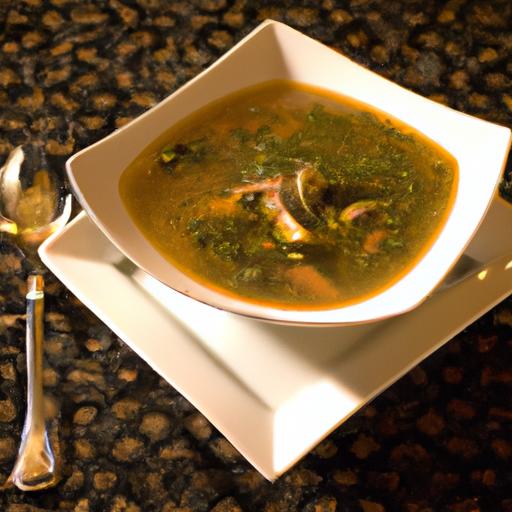

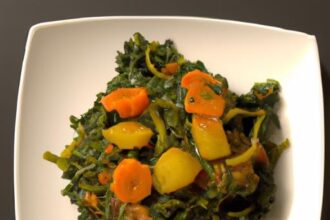
In the heart of North Africa, where sun-kissed deserts meet bustling medinas, a rich culinary heritage simmers in every pot and bowl. Soups, more than just simple starters or humble meals, tell stories of ancient trade routes, diverse spices, and generations of family gatherings. They invite you on a sensory journey-each spoonful a tapestry woven with fragrant herbs, tender meats, and vibrant vegetables. In this exploration of North African soups, we savor tradition itself, uncovering the flavors that have warmed homes and hearts across Tunisia, Morocco, Algeria, and beyond. Join us as we dive into recipes steeped in history and culture, uncovering the soul of a region through its most comforting and cherished dishes.
Savoring Tradition: A Journey Through North African Soups invites you to explore the soul-stirring flavors and rich heritage embedded in every spoonful of beloved regional classics like Harira and Chorba. These soups are more than just dishes-they are culinary bridges to the vibrant cultures and centuries-old traditions that shape North Africa’s identity. From the bustling souks of Marrakech to the sun-drenched coastlines of Algeria, these soups are treasured for their warming, aromatic profiles and symbolic role during gatherings, especially during Ramadan.
Prep and Cook Time
- Planning: 20 minutes
- Cooking: 1 hour
- Total Time: 1 hour 20 minutes
yield
Serves 6 hearty bowls
Difficulty Level
Medium – Perfect for home cooks ready to dive into traditional techniques and layers of aromatic spices.
Key Ingredients and Aromatic Spices Defining Authentic Flavors
The essence of authentic North African soups lies in a delicate harmony of fresh, wholesome ingredients paired with a fragrant palette of spices. The use of fresh herbs like cilantro and parsley, combined with spices such as cinnamon, ginger, turmeric, and saffron, defines the signature warmth and complexity. Legumes like lentils and chickpeas add body and nutrition, while the subtle acidity from tomatoes and lemon cuts through the richness, balancing the flavor profile flawlessly.
Ingredients
- 2 tbsp olive oil
- 1 large onion, finely chopped
- 3 garlic cloves, minced
- 1 cup dried chickpeas, soaked overnight (for Harira)
- 1/2 cup red lentils
- 2 large tomatoes, peeled and diced
- 1/4 cup all-purpose flour, sifted (for Harira thickening)
- 2 tbsp tomato paste
- 1 tsp ground ginger
- 1 tsp turmeric
- 1/2 tsp cinnamon
- 1/4 tsp saffron threads
- 1 tsp paprika
- 1 tbsp fresh parsley, chopped
- 1 tbsp fresh cilantro, chopped
- 6 cups vegetable or beef broth
- Salt and freshly ground black pepper, to taste
- Juice of 1 lemon
- Optional: 1/2 cup small pieces of lamb or beef (for Chorba version)
Step-by-Step Guide to Preparing classic Harira and Chorba
- Soak and Prepare Legumes: If using dried chickpeas for Harira, soak them overnight in ample water. Drain before cooking to ensure tenderness during simmering.
- Sauté Aromatics: Heat olive oil in a large pot over medium heat. Add finely chopped onions and cook until translucent, about 5 minutes. Stir in garlic and sauté for another minute to release its fragrance.
- Add Meat (Chorba only): If making Chorba with meat, add the small lamb or beef pieces now. Brown gently, about 4-5 minutes, allowing a deep, savory crust to form.
- Incorporate Spices and Tomato: Stir in ginger, turmeric, cinnamon, paprika, and saffron threads. Mix thoroughly before adding diced tomatoes and tomato paste. Cook for 5 minutes, letting the mixture thicken and meld.
- Add Broth and Legumes: Pour in broth, add soaked chickpeas (for Harira) and lentils, stirring well. Bring to a boil, then reduce to a low simmer. Cover and cook for 45 minutes until legumes are tender.
- Thicken the Soup (Harira): Whisk the sifted flour with a ladle of hot broth to create a smooth slurry. Gradually stir this into the soup to achieve desired consistency. Simmer for 10 additional minutes, stirring often to prevent lumps.
- fresh Herbs and Final Touch: Stir in chopped parsley and cilantro, and adjust seasoning with salt, pepper, and lemon juice. Simmer for another 5 minutes. The shining acidity of lemon perfectly balances the richness.
- Rest and Serve: Allow the soup to rest for 10 minutes off the heat to develop deeper flavors before serving.
Chef’s Tips for Success
- Make-Ahead Magic: Both Harira and Chorba taste even better the next day; prepare in advance and gently reheat.
- Spice Substitutions: If saffron is unavailable, a pinch of turmeric can mimic its warm color, though the flavor is different.
- Vegetarian version: Skip the meat and use vegetable broth for a lighter but equally delicious Harira.
- Consistent Thickening: When adding the flour slurry, stir continuously and add slowly to prevent clumping.
- Legume Alternatives: Split peas or mung beans can be substituted for chickpeas or lentils if desired for texture variation.
Serving Suggestions
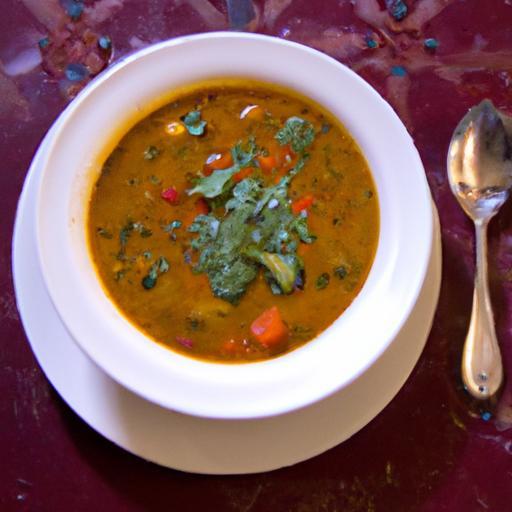
Serve this soul-warming soup steaming hot in deep bowls with a wedge of fresh lemon on the side. Garnish with extra cilantro or parsley leaves and a drizzle of quality olive oil. Accompany with crusty bread, traditional khobz, or fluffy couscous to soak up every drop.For special occasions, it pairs beautifully with dates and mint tea to balance its hearty richness.
| Nutrient | Per Serving |
|---|---|
| Calories | 280 kcal |
| Protein | 15 g |
| Carbohydrates | 35 g |
| Fat | 6 g |

For further exploration, visit our Moroccan Cooking Basics guide or dive deeper into the history of Harira on Britannica.
Q&A
Q&A: Savoring Tradition - A Journey Through North African Soups
Q1: What makes North African soups unique compared to other regional cuisines?
A1: North African soups are a vibrant tapestry of flavors, textures, and aromas influenced by centuries of cultural exchange-from Berber traditions to Mediterranean and Arab conquests.They stand out for their complex spice blends like ras el hanout and harissa, the harmonious balance of sweet and savory elements, and the use of indigenous ingredients such as preserved lemons, dried fruits, and hardy legumes. Each spoonful tells a story of history, community, and the land itself.
Q2: Which North African soups are essential for truly experiencing this culinary journey?
A2: A few iconic soups define the North African landscape. Harira,the Moroccan tomato and lentil broth rich with fragrant herbs and tender meat,is a Ramadan staple. Chorba, popular in algeria and Tunisia, combines tender lamb, fresh veggies, and a zesty blend of spices. Bissara, a silky fava bean soup beloved in Morocco, offers humble yet hearty nourishment, while Shorbat Adas, a fragrant lentil soup, warms hearts across the region. These soups aren’t just meals-they are rituals of comfort and party.
Q3: How do traditional North African soups reflect the cultural and past context of the region?
A3: Soups in North Africa are culinary chronicles that reflect trade routes, agriculture, and social customs. The use of spices like cumin, coriander, and saffron echoes ancient caravan routes. Ingredients such as chickpeas and lentils highlight the region’s farming legacies, while soup-drinking customs frequently enough coincide with religious observances and communal gatherings. Each recipe, passed down through generations, encapsulates a way of life that honors hospitality and resourcefulness.
Q4: What role do spices play in the flavor profiles of North African soups?
A4: Spices are the soul of North African soups-they transform simple broths into sensory celebrations. Ras el hanout, a complex spice blend sometimes comprising over a dozen spices, imparts deep warmth and subtle heat. Cumin and coriander bring earthiness, while cinnamon and ginger add unexpected sweetness and zing. Harissa paste introduces fiery layers, balancing richness with sharpness. Together, these spices create perfumes that both comfort and intrigue.
Q5: Can the experience of enjoying North African soups be connected to a broader cultural ritual?
A5: Absolutely. sharing soup in North Africa is frequently enough more than sustenance-it’s a moment of fellowship and tradition. Whether breaking fast during Ramadan with a steaming bowl of harira or gathering around a communal pot during a family feast, the act of savoring soup fosters connection and gratitude. The slow simmering of ingredients mirrors the pace of rural life and the value placed on mindfulness, patience, and generosity.
Q6: How can someone outside North Africa authentically recreate these soups at home?
A6: Authenticity lies in embracing both ingredients and the soul behind the recipes. Start with high-quality legumes, fresh herbs, and, when possible, traditional spice blends like ras el hanout. Simmer soups slowly to meld flavors, and don’t shy away from layering tastes-acidity from preserved lemons or a touch of sweetness from dried apricots can elevate the dish. honor the spirit of the soup by sharing it with loved ones; the warmth of tradition shines brightest around the table.
Q7: What lessons can food lovers learn from the tradition of North African soups?
A7: North African soups teach us that food is a bridge between past and present, culture and community. They remind us that even the humblest ingredients, when prepared with care and spiced with intention, can create profound joy. These soups encourage us to slow down, savor each taste, and appreciate the stories simmering beneath the surface-turning every meal into a celebration of heritage and heart.
Insights and Conclusions
As the final spoonful lingers on the palate, it becomes clear that North African soups are more than mere dishes-they are vibrant stories simmered through generations. Each bowl offers a gateway to the region’s rich tapestry of history,culture,and community,where spices dance and textures tell tales of nomadic travels,coastal trade,and familial warmth. To savor these soups is to embark on a journey that transcends taste, inviting us to connect with traditions both ancient and alive. So, whether you’re dipping a crust of bread into a hearty harira or ladling a fragrant bissara, remember: every sip is an invitation to explore the heart of North africa, one comforting bowl at a time.