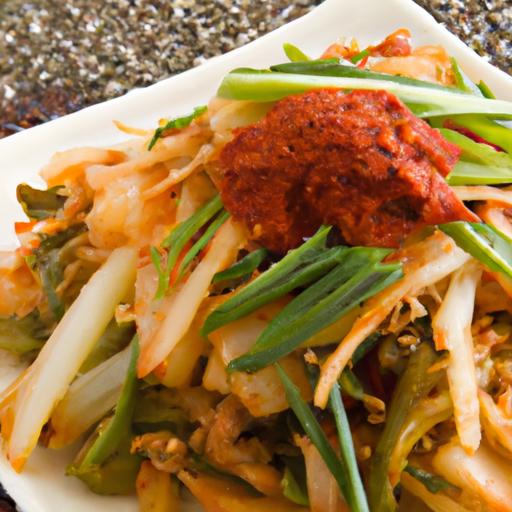

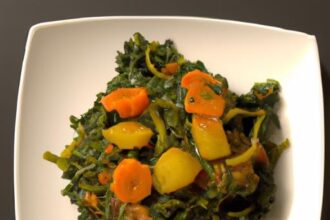
In todayS fast-paced world,savoring bold,flavorful meals often feels like a luxury reserved for slow weekends or special occasions. But what if you could bring the vibrant tastes of Korea to your table in less time than it takes to heat up takeout? Welcome to “Speedy Flavors: Quick Korean Dishes to Savor Today” – a culinary journey where tradition meets efficiency, and every bite bursts with authenticity. From sizzling stir-fries to refreshing bowls of bibimbap, these recipes prove that flavorful Korean cuisine doesn’t have to be complex or time-consuming. Ready your chopsticks and your appetite; it’s time to dive into a world of quick, colorful dishes that satisfy your cravings and fit right into your busy life.
Speedy flavors come alive when essential Korean pantry staples unite to transform simple ingredients into vibrant, punchy dishes in under thirty minutes. Drawing inspiration from bustling seoul street food stalls and cozy home kitchens, this collection celebrates the marriage of authenticity with convenience-making every quick Korean meal a feast for both the senses and the soul.
Prep and Cook Time
Total Time: 25 minutes (Prep: 10 minutes, Cook: 15 minutes)
Yield
Serves 4, perfect for a fast family dinner or sharing with friends.
Difficulty Level
Easy – Designed for those new to Korean cuisine but eager for bold, satisfying flavors without fuss.
Ingredients
- 2 tablespoons gochujang (korean fermented chili paste)
- 3 tablespoons soy sauce (preferably Korean soy sauce for depth)
- 1 tablespoon sesame oil (toasted for nutty aroma)
- 1 teaspoon sugar or honey (balances spice and salt)
- 3 cloves garlic, minced
- 1 teaspoon fresh ginger, grated
- 200g thinly sliced beef (like bulgogi cut) or firm tofu for vegetarians
- 1 medium carrot, julienned
- 1/2 cup sliced onion (sweet yellow or white)
- 3 green onions, chopped
- 1 tablespoon toasted sesame seeds, for garnish
- Cooked short-grain rice, to serve
- Optional: Kimchi, for a tangy side (available pre-made)
Instructions
- Prepare the sauce: In a small bowl, combine gochujang, soy sauce, sesame oil, sugar, garlic, and ginger. Stir until smooth and set aside. This flavorful marinade is the heart of your speedy Korean dish.
- Heat a large skillet: Over medium-high heat, warm a teaspoon of sesame oil. Add sliced onion and carrot. Sauté until just tender, about 3 minutes, preserving some crunch and vibrant color.
- Add the protein: Toss in the beef or tofu. Cook, stirring frequently, until the beef is just browned (about 4-5 minutes) or tofu is golden and heated through.
- pour the sauce: Drizzle your prepared sauce over the skillet contents. Stir constantly to coat every piece, allowing the sauce to thicken slightly-about 2 minutes.
- Add green onions: Mix in the chopped green onions and remove the skillet from heat.
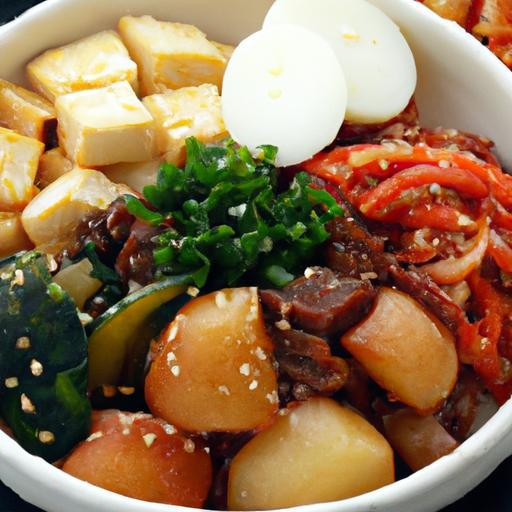
- Serve: Spoon the savory mix over steaming bowls of short-grain rice. Sprinkle with sesame seeds for that final glossy touch.
Tips and Tricks to Elevate Your Quick Korean Meals
- Use high-quality gochujang: This fermented chili paste minimizes prep time while maximizing authentic umami and heat.
- pre-slice your veggies: Make weekday dinners a breeze by prepping your carrot and onion ahead and storing them in airtight containers.
- Protein alternatives: swap beef for shrimp or chicken breast slices, adjusting cooking time accordingly for the perfect tenderness.
- Enhance texture: Add crunchy cucumber kimchi or pickled radish to contrast the rich, saucy components.
- Make it gluten-free: Choose tamari instead of soy sauce to suit dietary needs without sacrificing flavor.
Where to Find the Best Pre-made Korean Sauces and Pastes
Top Korean sauces like gochujang and doenjang can be found at Asian grocery stores, specialty markets, or trusted online retailers such as KoreanMall. Selecting brands that emphasize fermentation tradition ensures deep, complex flavor foundations perfect for speedy flavors. Checking local health food stores or global aisles of large supermarkets can also yield pre-made condiment treasures that transform your home cooking in minutes.
Chef’s Notes
- For milder heat, reduce the gochujang by half and add a splash of extra soy sauce or a pinch of sugar.
- Make this dish vegan by swapping beef for extra-firm tofu and increasing the sesame oil slightly for richer mouthfeel.
- Store any leftover sauce in a sealed jar up to 1 week refrigerated-it’s a fantastic marinade or stir-fry base for future speedy flavors.
- If you want a saucier dish, stir in a few tablespoons of water or broth after adding the sauce to adjust consistency.
Serving Suggestions
Present your fragrant stir-fry bowls topped with bright green sesame seeds and sliced scallions. Offer a side of crisp kimchi or lightly seasoned bean sprouts to add refreshing acidity and crunch. To elevate the dining experience, wrap spoonfuls in crisp lettuce leaves for a hand-held burst of texture and taste. Pair with a cold barley tea or a gently sparkling citrus water to balance the bold, savory notes.

| Nutrient | Per Serving |
|---|---|
| Calories | 320 |
| Protein | 22g |
| Carbohydrates | 28g |
| Fat | 11g |
Q&A
Q&A: Speedy Flavors – Quick Korean Dishes to Savor Today
Q1: What makes Korean cuisine a great choice for quick meals?
A1: Korean cuisine strikes a perfect balance between bold flavors and simple preparation. Many dishes rely on staples like kimchi, rice, and quick-cook proteins, allowing you to whip up something vibrant and satisfying in under 30 minutes. The use of fermented ingredients,chili pastes,and fresh veggies adds depth without lengthy cooking times.
Q2: Which Korean dishes are best for cooking on a busy day?
A2: Some top picks include Bibimbap (a mixed rice bowl), Japchae (stir-fried glass noodles), and Kimchi Jjigae (kimchi stew). These dishes can all be either assembled quickly or simmered while you multitask, offering hearty comfort with minimal wait.
Q3: How can beginners tackle Korean flavors without feeling overwhelmed?
A3: Start with a handful of staple ingredients like gochujang (red chili paste), sesame oil, soy sauce, garlic, and kimchi.These can instantly elevate simple meals. Also, many recipes emphasize layering rather than complex techniques, so focus on balancing sweet, spicy, sour, and umami flavors to capture the essence of Korean cooking.
Q4: What role does fermentation play in quick Korean dishes?
A4: Fermented ingredients such as kimchi and doenjang (soybean paste) provide a fermented tang and depth without extra cooking time. Thay’re flavor powerhouses that transform simple dishes into something complex and satisfying, helping you achieve rich taste profiles quickly.
Q5: Can Korean dishes be easily adapted for different dietary needs?
A5: Absolutely! Many Korean recipes are inherently flexible.You can swap out beef for tofu or mushrooms in bibimbap for a vegetarian version, or use gluten-free soy sauce. Korean cuisine’s emphasis on vegetables and grains makes it easy to customize flavor and nutrition on the fly.
Q6: How should one approach seasoning to get authentic ‘speedy flavors’?
A6: Keep it balanced. Use a combination of salty (soy sauce), sweet (honey or sugar), spicy (gochujang or fresh chili), and tangy (vinegar or kimchi juice) elements. Tasting as you go and adjusting gradually helps you nail the authentic punch without long marinating or complicated sauces.
Q7: Any tips for incorporating Korean quick dishes into everyday meals?
A7: Think of them as versatile building blocks. A quick bibimbap can be a quick lunch, japchae doubles as a side or main, and kimchi-packed stews make warming dinners. Batch-preparing kimchi or marinated proteins ahead of time can speed up the process even more, letting you enjoy speedy Korean flavors anytime.
To Conclude
As you embark on your culinary adventure with these speedy korean dishes, remember that great flavor doesn’t have to mean hours in the kitchen. From the fiery kick of spicy tteokbokki to the savory warmth of bulgogi wraps, each dish offers a quick yet satisfying taste of Korea’s vibrant food culture. So next time hunger calls and time is short, let these recipes be your passport to bold, speedy flavors that delight the senses and nourish the soul. Happy cooking-and annyeonghi jumuseyo!