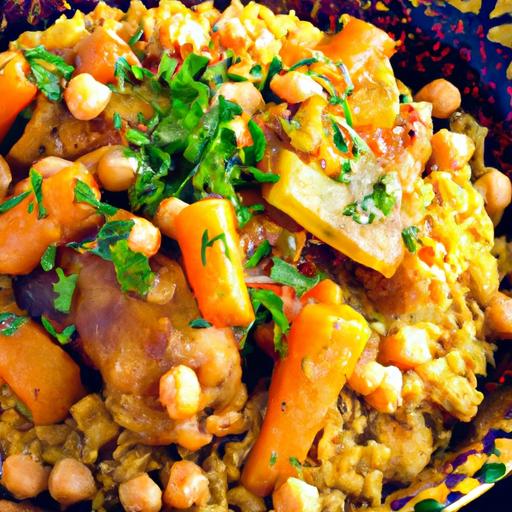
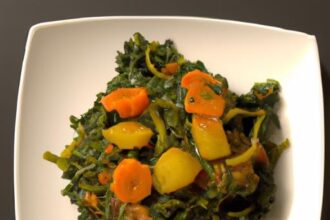
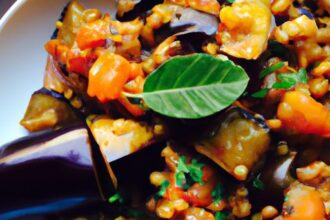
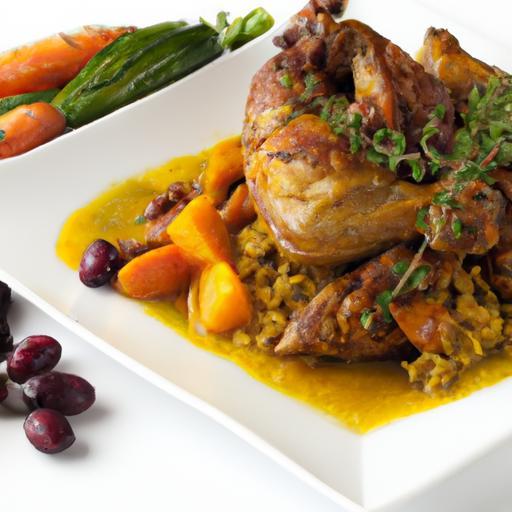
In the heart of North African cuisine lies a fragrant symphony of flavors, where spices whisper tales of ancient trade routes and sun-soaked bazaars. Tagine, the cherished Moroccan stew, is more than just a dish-it’s an aromatic alchemy, blending carefully curated spices that transform humble ingredients into a sensory masterpiece.This article invites you to explore the essential spice blends that elevate every tagine, unveiling the secrets behind those warm, exotic aromas that dance from the clay pot and captivate the senses.Prepare to embark on a flavorful journey, where tradition meets taste in perfect harmony.
Aromatic alchemy begins with mastering the delicate balance of traditional spice blends that transform a simple tagine into a sensory journey through Morocco’s vibrant culinary heritage. The secret lies in Ras El Hanout, a complex medley of spices that weaves warmth, sweetness, earthiness, and pungency into every bite, evoking bustling souks and sun-dappled kasbahs. Crafting your own signature Ras El Hanout allows you to tailor the blend to your taste, unlocking rich tagine aromatics that sing with authenticity and depth. Embracing complementary herbs alongside these spices elevates the dish into a fragrant masterpiece that lingers long after the last bite.
Prep and Cook Time
- Preparation: 20 minutes
- Cooking: 1 hour 30 minutes (slow simmer)
- Total: 1 hour 50 minutes
Yield
Serves 6 generously, perfect for a family meal or intimate dinner party.
Difficulty Level
Medium - Best suited for those comfortable with layering spices and slow cooking, but approachable for adventurous home cooks.
Ingredients
- for your Signature Ras El Hanout Blend:
- 1 tsp ground coriander
- 1 tsp ground cumin
- 1 tsp ground ginger
- 1/2 tsp turmeric powder
- 1/2 tsp ground cinnamon
- 1/4 tsp ground allspice
- 1/4 tsp ground cardamom
- 1/4 tsp paprika (smoked or sweet)
- Pinch of cayenne pepper (optional, for heat)
- For the Tagine:
- 2 tbsp olive oil
- 1 large onion, finely sliced
- 3 cloves garlic, minced
- 1 1/2 lbs (700g) lamb shoulder, cut into chunks
- 2 carrots, chopped
- 1 small butternut squash, peeled and cubed
- 2 medium tomatoes, diced
- 1/2 cup dried apricots, chopped
- 1 cup chicken or vegetable broth
- Fresh cilantro and flat-leaf parsley, chopped, for garnish
- Salt and cracked black pepper, to taste
- Complementary Herbs and Spices:
- 1 tbsp chopped fresh mint
- 1 tbsp preserved lemon, finely chopped (optional)
- 1 tsp cumin seeds, lightly toasted
Instructions
- Create Your Ras El Hanout Blend: In a small bowl, combine ground coriander, cumin, ginger, turmeric, cinnamon, allspice, cardamom, paprika, and cayenne. Stir well and set aside.
- Prepare the Tagine Base: Heat olive oil in a heavy-bottomed pot or traditional tagine over medium heat. Add sliced onions and sauté until translucent and lightly golden, about 7 minutes.
- Add Aromatics: Stir in minced garlic and toasted cumin seeds; cook for 1 minute until fragrant.
- brown the Meat: Add lamb chunks, seasoning with salt and pepper. Brown on all sides, about 8-10 minutes, ensuring even caramelization to build flavor.
- Incorporate the Spice Blend: Sprinkle your Ras El hanout evenly over the meat and stir thoroughly to coat, releasing the warm fragrance that signals flavor depth.
- Add Vegetables and Fruits: Stir in carrots, butternut squash, tomatoes, and chopped apricots. Toss gently to combine.
- Pour in Broth: Carefully add chicken or vegetable broth, just enough to cover the ingredients halfway. Bring to a gentle simmer.
- slow Cook: cover and reduce heat to low. Let the tagine simmer gently for 1 hour 30 minutes, or until the lamb is tender and the sauce has thickened beautifully.
- Finish with Herbs and Preserved Lemon: Stir in fresh mint, parsley, and preserved lemon to brighten the rich flavors. Season with additional salt and pepper as needed.
- Rest and Serve: Allow the tagine to rest off heat for 10 minutes before serving to let the spices meld fully.
Tips for Success
- Adjust Sweetness and Heat: Balance apricot sweetness with cayenne-level spice, according to your palate.
- Make-Ahead Magic: Tagine flavors improve overnight-prepare a day ahead for deeper aromatics.
- Substitutions: For a vegetarian version, substitute lamb with hearty chickpeas and increase vegetable broth.
- Keep it Moist: Monitor liquid levels midway through cooking; add a splash of broth if the tagine seems dry.
- preserved Lemon: Adds unforgettable brightness; if unavailable, use a zest of fresh lemon and a pinch of sea salt.
Serving Suggestions
Present your tagine in a rustic clay pot for an authentic touch. Garnish with sprigs of fresh cilantro,chopped flat-leaf parsley,and a sprinkling of toasted slivered almonds for texture and visual appeal. Serve alongside fluffy couscous or warm, crusty flatbread to soak up the fragrant sauce.A side of refreshing cucumber and yogurt salad complements the spice and richness beautifully.

| Nutrition (Per Serving) | Amount |
|---|---|
| Calories | 450 kcal |
| Protein | 35 g |
| Carbohydrates | 25 g |
| Fat | 18 g |
For a deeper dive into Moroccan cooking techniques and spice profiles,explore our related article on Moroccan Spices Guide. To further understand the history and variations of ras El Hanout, visit Britannica’s Ras El Hanout entry.
Q&A
Q&A: Aromatic Alchemy – Essential Spice Blends for Perfect tagine
Q1: What makes a tagine’s flavor so uniquely captivating?
A1: The magic of a tagine lies in its masterful fusion of spices that transform simple ingredients into a fragrant feast. Slow-cooked in a conical clay pot, the spices release their essential oils gradually, marrying sweetness, warmth, and earthiness into every tender bite. It’s an aromatic dance that awakens the senses and tells a story with every mouthful.
Q2: Which essential spices are the cornerstone of a traditional tagine blend?
A2: The backbone of a tagine’s signature taste typically includes ground cumin, coriander, cinnamon, ginger, turmeric, and sometimes a whisper of saffron. These spices create a symphony of flavors-earthy, warm, slightly sweet, and subtly pungent-that form the palette of Moroccan cuisine.
Q3: How do spice blends differ between meat and vegetarian tagines?
A3: Meat-based tagines frequently enough lean on deeper, heartier spices like smoked paprika and black pepper to complement robust proteins such as lamb or chicken. Vegetarian versions may highlight the bright warmth of turmeric and the gentle sweetness of cinnamon to enhance earthy vegetables and legumes. Both use herbs like parsley and cilantro to add freshness at the finish.
Q4: Can you create your own tagine spice blend at home?
A4: Absolutely! Crafting your own blend is like being an alchemist in your kitchen. Start with equal parts cumin, coriander, and turmeric; add a dash of cinnamon and ground ginger, and finish with a pinch of cayenne or black pepper for heat. Adjust to your taste and presto-you’ve bottled Moroccan magic ready to elevate any tagine.
Q5: What tips ensure the spices reach their full aromatic potential?
A5: Toast your dry spices gently in a skillet before grinding or combining them. This releases oils and intensifies their aroma. Adding spices early in the cooking process gives them time to infuse the dish, while a sprinkle of fresh herbs at the end brightens and balances the rich flavors.
Q6: How does the tagine pot itself influence the flavor?
A6: The unique conical lid of the tagine pot isn’t just charming-it plays a vital role, condensing steam and cycling moisture back into the dish. this slow, moist heat allows spices to bloom fully, melding flavors into layers that are deep, complex, and irresistibly tender.
Q7: Are there any secret spices or ingredients that can elevate a tagine beyond tradition?
A7: Adding a hint of dried rose petals or a touch of preserved lemon can introduce a surprising floral or tangy note that elevates the dish. A splash of orange blossom water or a pinch of nutmeg can also add unexpected depth, turning a familiar tagine into an unforgettable culinary adventure.
Q8: Where can I find quality spices to create authentic blends?
A8: Ethnic markets, specialty spice shops, and reputable online purveyors offer high-quality, fresh spices that pack a punch. Opt for whole spices when possible and grind them yourself for maximum fragrance and flavor. Freshness is the key to unlocking true tagine alchemy.
With the right spice blends and techniques, you don’t just cook a tagine-you conjure an aromatic symphony that warms the soul and delights the palate.Happy blending!
Key Takeaways
As the final wisps of fragrant steam rise from your perfectly simmered tagine, it’s clear that the true magic lies in the alchemy of spices. These essential blends-each a symphony of earthy warmth, subtle sweetness, and bold depth-transform simple ingredients into an unforgettable feast. Whether you choose a classic ras el hanout or craft your own aromatic mélange, embracing the art of spice blending invites you to connect with centuries of tradition and flavor. so go ahead, let your kitchen become a fragrant laboratory of taste, where every sprinkle tells a story and every tagine becomes a masterpiece of aromatic alchemy.