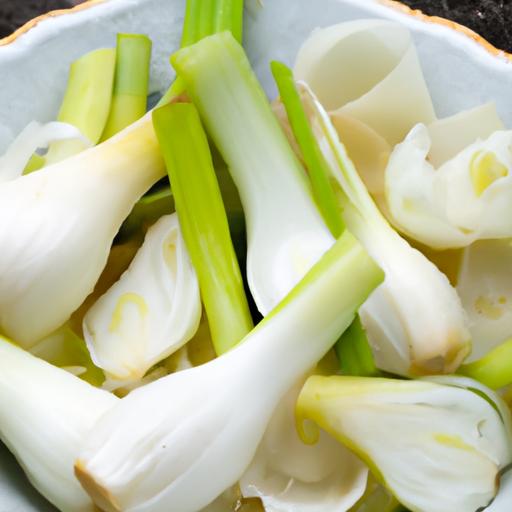
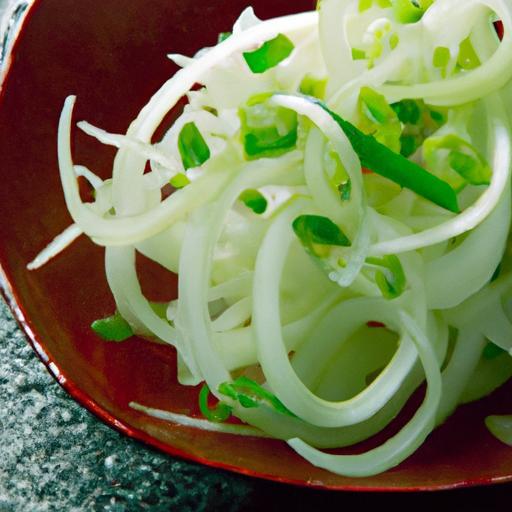
Ther’s something unmistakably vibrant about the humble spring onion-a slender stalk that carries a world of flavour within its crisp,green leaves and pungent white bulbs. In Chinese cuisine, spring onions are far more than just a garnish; they are star ingredients that elevate dishes with their fresh, aromatic bite and subtle sweetness.From sizzling stir-fries to delicate scallion pancakes, these flavorful culinary gems have long been cherished in kitchens across China for their ability to transform simple recipes into unforgettable meals. Join us as we explore the rich tapestry of Chinese spring onion dishes, uncovering how this unassuming vegetable brings brightness, depth, and a touch of magic to every plate.
Savoring Chinese Spring Onion Dishes offers a gateway into the heart of Chinese culinary tradition, where the humble spring onion is elevated from a simple garnish to a starring ingredient bursting with vibrant aroma and flavor. This versatile vegetable brings brightness and a subtle pungency that defines many beloved dishes across Chinese kitchens.
Prep and Cook Time
- Planning Time: 15 minutes
- Cooking Time: 20 minutes
- Total Time: 35 minutes
Yield
Serves 4 – perfect for sharing at family meals or casual dinners with friends.
Difficulty Level
Easy to Medium – approachable for home cooks, with tips to master authentic techniques.
Ingredients
- 6 large fresh spring onions, cleaned and cut into 2-inch pieces (separate whites and greens)
- 300g boneless chicken thighs, thinly sliced against the grain
- 3 tablespoons light soy sauce
- 1 tablespoon Shaoxing rice wine
- 1 teaspoon cornstarch
- 2 cloves garlic, minced
- 1 teaspoon ginger, freshly grated
- 1/2 teaspoon white pepper
- 2 tablespoons vegetable oil, for stir-frying
- 1 teaspoon toasted sesame oil
- 1 teaspoon sugar
- 1/4 cup chicken broth (or water)
Instructions
- Marinate the Chicken: In a medium bowl, combine sliced chicken with 2 tablespoons light soy sauce, Shaoxing rice wine, cornstarch, and white pepper. Mix thoroughly and let it rest for 10 minutes to tenderize and infuse flavor.
- Prepare Aromatics: Separate the white and green parts of the spring onions carefully; the whites give depth while the greens add freshness.mince garlic and grate ginger.
- Heat Your Wok: Add vegetable oil to a hot wok over medium-high heat. When shimmering, add the marinated chicken in a single layer. Stir-fry until chicken turns opaque and slightly golden, about 5 minutes.
- Add Aromatics: Push the chicken to the side and add garlic,ginger,and the white parts of the spring onions. Sauté gently until fragrant, about 2 minutes, taking care not to burn the garlic.
- Combine Sauce Elements: Mix the remaining soy sauce, sugar, and chicken broth. Pour over the chicken and aromatics. Toss well and allow to simmer for 3 minutes,letting the sauce thicken slightly.
- Finish with Spring Onion Greens: Stir in the green parts of the spring onions and drizzle the toasted sesame oil.Quickly toss everything together and remove from heat to preserve the vibrant color and crisp texture of the greens.
- Serve Promptly: Transfer to a warm serving dish and garnish with a handful of additional finely chopped spring greens for extra visual appeal and flavor punch.
Tips for Success
- Freshness Matters: Select spring onions with firm white stalks and crisp, bright green tops-this ensures bold flavor and crunch.
- Tender Chicken: Use boneless, skinless thighs for juiciness and authentic texture that pairs beautifully with spring onions.
- Balancing Act: Adjust soy sauce and sugar quantities to suit your palate if you prefer a sweeter or saltier profile.
- Make Ahead: Marinate chicken up to 4 hours ahead and keep refrigerated. This deepens flavor and tenderizes meat further.
- Vegetarian variation: Swap chicken with firm tofu cubes and follow the same steps, adding mushrooms for umami depth.
Serving Suggestions
This dish shines when served atop steamed jasmine rice or alongside delicate egg drop soup. Garnish with toasted sesame seeds or thinly sliced fresh chili for an appealing contrast in color and heat.
Pair with a crisp Chinese green tea or lightly chilled jasmine tea to complement the aromatic freshness of spring onions.

| Nutrient | Per Serving |
|---|---|
| Calories | 280 kcal |
| Protein | 28 g |
| Carbohydrates | 9 g |
| Fat | 12 g |
For further inspiration on authentic Chinese flavors, explore our collection of classic Chinese recipes. To deepen your knowledge of spring onion health benefits and culinary history,visit britannica’s detailed overview of scallions.
Q&A
Q&A: Savoring Chinese spring Onion Dishes – Flavorful Culinary Gems
Q1: What makes spring onions so special in Chinese cuisine?
A1: Spring onions,or scallions,are the unsung heroes of Chinese cooking. Their vibrant, mild yet pungent flavor adds a fresh kick to dishes, balancing rich sauces and deep umami notes. More than just a garnish,they infuse dishes with a subtle oniony sweetness and a crisp texture that enlivens every bite.
Q2: How are spring onions typically used in Chinese dishes?
A2: Spring onions wear many hats in Chinese cuisine-they’re sautéed, stir-fried, pickled, blended into sauces, and occasionally served raw to maintain their zingy crunch. From fragrant pancakes to hearty noodle soups, spring onions offer both flavor and aroma, often appearing as the crucial final flourish that transforms a dish.
Q3: Can you highlight some iconic Chinese dishes that feature spring onions?
A3: Absolutely! Who could resist the allure of Cong You Bing (spring onion pancakes), whose crispy layers and green bursts are pure comfort? Or Scallion Oil Noodles, where tender strands soak up a golden drizzle of fragrant scallion oil. Then there’s Peking Duck garnished with julienned spring onions, adding brightness to the rich, crispy meat.
Q4: What tips can home cooks follow to maximize the flavor of spring onions?
A4: The secret lies in gentle treatment. Use the white part for cooking-it has a stronger, more intense flavor-while the green tops bring freshness and color as a raw garnish. When frying, cook spring onions on medium heat to coax out their natural sweetness without burning. And never underestimate the magic of scallion oil-slow-cooking chopped spring onions in neutral oil until golden perfuses dishes with irresistible aroma.
Q5: Are there regional variations in how Chinese cuisine uses spring onions?
A5: Certainly. In northern China, spring onion pancakes reign supreme, while southern coastal regions might highlight spring onions in seafood stir-fries or light broths. The balance between the white and green portions can vary, reflecting local palates-from the hearty, bold flavors of the north to the delicate, fresh tastes of the south.
Q6: Beyond taste, do spring onions offer any nutritional benefits?
A6: Indeed, spring onions pack a punch of vitamins A, C, and K, plus antioxidants and fiber. They’re known to support immune health and aid digestion, making their culinary appeal all the more wholesome.
Q7: How can one creatively incorporate spring onions into fusion or modern dishes?
A7: Think beyond tradition-try spring onion oil drizzled over roasted vegetables, or fold finely chopped scallions into savory muffins or egg dishes. Their crispness and mild bite can brighten salads, dressings, and even homemade dips, lending a tasty bridge between East and West.
Q8: Where can food lovers find the freshest spring onions for cooking?
A8: Farmers’ markets are goldmines for fresh, vibrant spring onions-look for firm stalks with bright green tops and clean white bulbs. When buying at stores, avoid limp or yellowing greens for the best flavor and texture.
Q9: What’s the best way to store spring onions to maintain their freshness?
A9: Wrap spring onions loosely in a damp paper towel and place them inside a perforated plastic bag in the refrigerator crisper. this keeps them hydrated yet airy, prolonging their crispness for up to a week.
Q10: Any final thoughts on celebrating spring onions in Chinese cooking?
A10: Spring onions are the small but mighty ingredient that brings life, color, and aroma to Chinese dishes. Embrace their layered flavors and textures, and you’ll discover how this humble bulb elevates simple meals into unforgettable culinary gems. Whether you’re flipping a crispy pancake or drizzling fragrant oil, spring onions invite you to savor the art of balance and freshness at the heart of Chinese cuisine.
Insights and Conclusions
As the vibrant aroma of spring onions lingers in the air, it’s clear that these unassuming green stalks hold a place of honor in Chinese cuisine-infusing dishes with layers of flavor that are both bold and nuanced. From sizzling stir-fries to comforting soups, spring onions elevate each bite, transforming simple ingredients into memorable culinary experiences. Embracing the versatility of this humble herb not only deepens our gratitude for Chinese cooking but also invites us to explore new realms of taste and tradition. So next time you savor a dish adorned with the fresh, pungent zest of spring onions, remember: you’re tasting a flavorful thread woven through centuries of culture, creativity, and culinary craftsmanship.