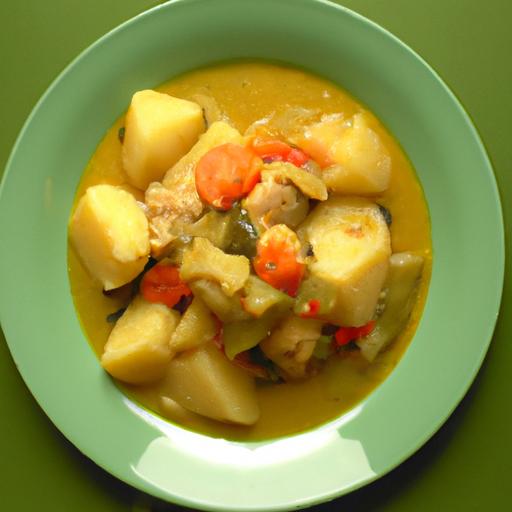

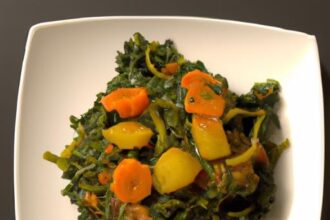
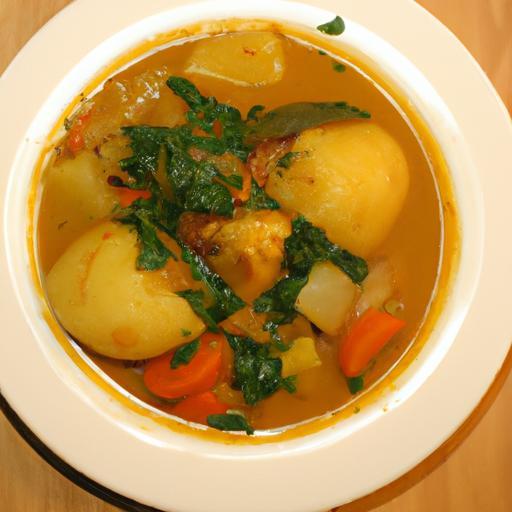
In the heart of African culinary heritage lies a comforting ritual that transcends mere nourishment-savoring a rich,aromatic stew paired with the timeless staple known as fufu. This beloved duo is more than just a meal; it is a vibrant tapestry of culture, history, and community woven together in every bite. From simmering pots infused with bold spices to the soft, dough-like fufu that effortlessly soaks up flavors, this tradition invites us to experience Africa’s diverse regions and stories through food. Join us as we journey into the soul of African cuisine, exploring the origins, preparation, and cultural significance of stew and fufu-a true taste of tradition that continues to unite families and delight palates around the world.
Savoring African Stew with Fufu invites you on a culinary journey deeply rooted in African heritage, where every spoonful tells a story of warmth, community, and tradition. This classic pairing embodies the heart of African dining-a festivity of robust spices, hearty ingredients, and comforting textures. African stews, frequently enough brimming with rich tomatoes, fragrant spices, and tender meats or vegetables, are lovingly balanced with fufu, a starchy, smooth side dish made from pounded cassava, yam, or plantain. Together, they create a harmony of flavor and consistency that is both soul-satisfying and culturally significant.
Prep and Cook Time
- Preparation: 30 minutes
- Cooking: 1 hour 15 minutes
- Total Time: 1 hour 45 minutes
Yield
Serves 6 generous portions
Difficulty Level
Medium – Ideal for cooks cozy with multi-step cooking and flavor layering
Ingredients
- For the African Stew:
- 2 lbs beef chuck, cut into 1-inch cubes
- 1/4 cup vegetable oil
- 1 large onion, finely chopped
- 4 cloves garlic, minced
- 2-inch piece of fresh ginger, grated
- 3 medium tomatoes, blended or finely chopped
- 1/4 cup tomato paste
- 2 cups beef broth
- 1 scotch bonnet pepper, whole (optional for heat)
- 1 tbsp smoked paprika
- 1 tsp ground coriander
- 1 tsp ground cumin
- 2 tsp dried thyme
- Salt and freshly ground black pepper, to taste
- 2 medium carrots, sliced
- 1 bell pepper, diced
- 1 cup okra, sliced (optional)
- Fresh parsley or cilantro, chopped-for garnish
- For the Fufu:
- 2 cups cassava flour (or yam flour/plantain flour as variations)
- 4 cups water
- Pinch of salt
Instructions
- prepare the African Stew: In a large heavy-bottomed pot, heat the vegetable oil over medium-high heat. Add the beef cubes and brown them thoroughly on all sides, about 6-8 minutes. Remove the beef and set aside.
- Add the chopped onions to the pot and sauté until translucent and fragrant, about 5 minutes.Stir in the garlic and ginger and cook for another 2 minutes, stirring frequently.
- Pour in the blended tomatoes and tomato paste. Cook, stirring frequently enough, until the mixture thickens and the oil begins to separate on the sides, about 10 minutes.
- Return the beef to the pot and add the beef broth along with the scotch bonnet pepper (keep whole to control heat). Stir in smoked paprika, coriander, cumin, thyme, salt, and pepper. Bring to a gentle boil, then reduce heat to low, cover, and simmer for 45 minutes.
- After 45 minutes, add the sliced carrots, bell pepper, and okra. Continue simmering uncovered for an additional 20 minutes until vegetables are tender and the stew has thickened beautifully. Adjust seasoning as needed.
- Prepare the Fufu: while the stew simmers, bring 4 cups of water to a boil in a heavy saucepan. Once boiling, reduce to medium heat. Gradually whisk in the cassava flour, stirring vigorously to avoid lumps.
- continue stirring and pressing the mixture against the sides of the pan with a wooden spoon or spatula. The mixture will thicken and become stretchy-this is ideal. Cook for about 10 minutes, ensuring no raw flour taste remains. Add a pinch of salt during the process.
- Once smooth and stretchy, scoop the fufu into a serving bowl. Wet your hands and shape the fufu into balls or smooth mounds.
- Serve the aromatic African stew steaming hot alongside the freshly prepared fufu.Garnish the stew with chopped parsley or cilantro for a burst of freshness and color.
Tips for Success
- Stew Variations: Swap beef for goat, chicken, or keep it vegetarian by adding hearty mushrooms or eggplant.
- fufu Flour Choices: Experiment with yam or plantain flour for subtle flavor differences and textural variety.
- Controlling Heat: Remove the whole scotch bonnet pepper before serving for milder stew; pierce it if you desire more spice.
- Make-Ahead: Stew flavors deepen when made a day ahead and reheated gently. Fufu is best fresh but can be warmed by steaming.
- Serving Ease: Use wet hands or a spatula to handle fufu to prevent sticking and keep the texture smooth.
Serving Suggestions
Present your African stew and fufu on a large communal platter to embrace traditional sharing customs. Accompany with a side of steamed greens or sautéed spinach for added freshness. Garnish the stew with vibrant fresh herbs and sliced red chili for color contrast and extra zing. For the full sensory experience, pair with chilled palm wine or a lightly spiced ginger beer.
| Nutrient | Per Serving |
|---|---|
| Calories | 480 kcal |
| Protein | 35 g |
| Carbohydrates | 42 g |
| Fat | 16 g |

Discover more about Africa’s culinary gems with our detailed guide on Authentic African Spices for Every Kitchen. For an in-depth understanding of fufu’s ancient role, visit this Britannica article on Fufu.
Q&A
Q&A: Savoring African Stew with Fufu – A Taste of Tradition
Q1: What makes African stew paired with fufu such a beloved traditional dish?
A1: African stew with fufu is more than just a meal-it’s a vibrant celebration of history, culture, and community. The rich, aromatic stew brimming with spices, tender meats, or hearty vegetables melds perfectly with the soft, starchy fufu. Together, they create a harmony of textures and flavors that evoke warmth and tradition in every bite.
Q2: What exactly is fufu, and how is it made?
A2: Fufu is a staple carbohydrate in many West and Central African cuisines, traditionally made by boiling starchy foods like cassava, yams, or plantains, and then pounding them into a smooth, elastic dough. This unique preparation results in a supple, slightly sticky accompaniment that’s perfect for scooping up savory stew.
Q3: Which types of stew are commonly enjoyed with fufu?
A3: The stew varies widely across regions-there’s the fiery, tomato-rich Nigerian pepper soup; the peanut-infused West African groundnut stew; and the spicy, palm oil-based Ghanaian light soup, to name a few. Each stew brings its own bouquet of spices like ginger, garlic, chili, and local herbs, blending into complex, soulful flavors.
Q4: How do you traditionally eat fufu and stew?
A4: Traditionally, fufu is eaten by hand. Diners pinch off a small piece of fufu, roll it into a ball, and use it to scoop up a spoonful of stew-no utensils needed! This hands-on approach enhances the connection between eater and meal, bringing a tactile intimacy to the dining experience that honors ancestral customs.
Q5: Why is this dish significant beyond just nourishment?
A5: More than sustenance, fufu and stew symbolize unity and identity. Meals like these are often shared among family and friends,fostering togetherness. They’re a flavorful link to ancestral lands, a living tradition passed through generations, telling stories of resilience, innovation, and cultural pride.
Q6: Can someone outside Africa enjoy this dish authentically at home?
A6: Absolutely! While some ingredients and techniques may require a bit of hunting down, many African markets and online stores stock fufu flour and key spices. With a bit of practise and passion, anyone can recreate this soulful meal in thier own kitchen-inviting a slice of Africa’s rich culinary heritage to their table.
Q7: What’s the best way to enhance the African stew and fufu experience?
A7: To truly savor the dish, slow-cook your stew to deepen the flavors, use fresh ingredients, and serve it warm. Pair the meal with traditional accompaniments like leafy greens or fermented beverages. Most importantly,enjoy it in good company-this dish is meant to be shared,savored,and celebrated together.
Wrapping Up
As the rich, comforting flavors of African stew meld with the soft, hearty embrace of fufu, we’re invited to experience more than just a meal – we’re invited into a vibrant tradition that has been nurtured through generations. Each bite is a celebration of culture,community,and history,reminding us that food is not only nourishment for the body but also a bridge connecting past and present. so next time you savor this beloved dish, take a moment to appreciate the stories it carries, and the timeless joy it brings to the table. In every spoonful and every pinch of fufu,there lies a taste of Africa’s enduring spirit.