
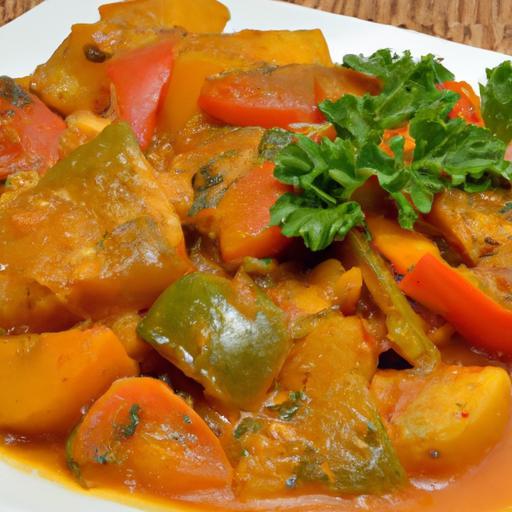
Nestled in the heart of East africa, uganda offers a culinary tapestry as rich and vibrant as itS landscapes. Among its many gastronomic treasures, the beloved tradition of stewed meat and vegetables stands out-a soulful dish that tells stories of heritage, community, and the land’s bounty. “Savoring Uganda: A Flavorful Journey with Stewed Meat & Veggies” invites you to explore this hearty,comforting meal that transcends mere sustenance. Join us as we delve into the spices, techniques, and cultural nuances that bring this classic stew to life, revealing how every simmer and stir connects you to Uganda’s rich history and warm hospitality.
Savoring Uganda: A Flavorful Journey with Stewed Meat & Veggies
Savoring Uganda: A Flavorful Journey with Stewed Meat & Veggies introduces you to a beloved culinary tradition that blends tender cuts of meat with vibrant, fresh vegetables and bold, aromatic spices.This dishes harks back to Uganda’s rich culinary heritage where communal meals are crafted with care, turning simple ingredients into a soul-warming experience.From bustling urban markets in Kampala to the quiet villages across the country, stewed meat is a heartfelt expression of culture, togetherness, and the artistry of balancing textures and flavors.
Prep and Cook Time
- Readiness Time: 20 minutes
- Cooking Time: 1 hour 30 minutes
- Total Time: 1 hour 50 minutes
Yield
Serves 6 hearty portions
Difficulty Level
medium – Perfect for home cooks ready to explore authentic African flavors without fuss
Ingredients
- 2 lbs beef stew meat (preferably chuck or brisket, cut into 1.5-inch cubes)
- 2 tbsp vegetable oil or sunflower oil
- 1 large onion, finely chopped
- 3 cloves garlic, minced
- 1-inch piece of fresh ginger, grated
- 2 large ripe tomatoes, blended or finely chopped
- 1 tsp smoked paprika
- 1 tsp curry powder (mild or medium heat)
- 1 tsp ground coriander
- 1 tsp ground cumin
- 2 cups beef stock (homemade or low-sodium store bought)
- 2 medium carrots, peeled and sliced diagonally
- 1 cup green beans, trimmed and cut into thirds
- 1 medium red bell pepper, sliced
- 1 cup chopped spinach or sukuma wiki (collard greens)
- Salt and black pepper, to taste
- Fresh cilantro or flat-leaf parsley, for garnish
- 1 Scotch bonnet chili (optional, for authentic spice)
Instructions
- Brown the meat: Heat the vegetable oil in a heavy-bottomed pot over medium-high heat.Add the beef cubes in batches, avoiding overcrowding. Sauté until all sides are deeply browned, about 5-7 minutes per batch. Remove and set aside.
- Sauté the aromatics: Reduce the heat to medium,add the chopped onions,and cook until softened and translucent,about 5 minutes. Stir in the garlic and grated ginger, cooking for an additional 2 minutes until fragrant.
- Add spices and tomatoes: Stir in the paprika, curry powder, coriander, and cumin. Cook the spices for 1 minute to unlock their flavors. Pour in the blended tomatoes, stirring well to combine. Simmer for about 5 minutes until the mixture thickens and the oil starts to separate.
- Simmer the meat: Return the browned beef to the pot.Pour in the beef stock and drop in the Scotch bonnet chili, if using, whole (to be removed later). Season with salt and pepper.Bring to a gentle boil, then reduce to low heat, cover, and let simmer for 1 hour, or until the meat is tender.
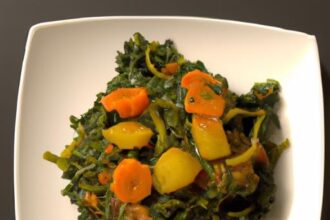
- Incorporate vegetables: Add the carrots, green beans, and red bell pepper to the stew. Stir well and simmer uncovered for an additional 15 minutes until vegetables are tender but still vibrant. fold in the chopped spinach or sukuma wiki and cook for 5 minutes more until wilted.
- Adjust and finish: Taste and adjust seasoning as needed. Remove the scotch bonnet chili before serving to avoid overpowering heat.
Tips for Success
- For the richest flavour,marinate the beef in a mixture of garlic,ginger,curry powder,and a splash of lemon juice for 2-4 hours before cooking.
- If you prefer, swap beef stock for a hearty vegetable broth for a lighter version without compromising depth.
- Use fresh, local vegetables when possible-seasonal produce enhances authentic flavor and texture.
- Stew it slow – the longer, the better! if time permits, use a slow cooker on low for 5-6 hours to intensify the tenderness and flavors.
- This stew can be made ahead and reheated; flavors meld beautifully overnight.
Serving Suggestions
This vibrant ugandan stew is best enjoyed traditionally alongside matoke, a luscious steamed plantain dish that absorbs the savory juices beautifully. Alternatively, steamed rice, ugali (cornmeal porridge), or boiled cassava provide excellent balance.
Accompany with freshly chopped salad or kachumbari (a fresh tomato and onion salad with a hint of chili) for crisp contrast. Finish with a sprinkle of fresh cilantro or parsley to add a luminous herbal note and a wedge of lime on the side for extra zing.
For drinks, a cool glass of Ugandan waragi (local gin) or a chilled bottle of Nile Special beer will elevate the experience and bring a refreshing pairing to the hearty stew.

| Nutrient | Per Serving |
|---|---|
| Calories | 350 kcal |
| Protein | 32 g |
| Carbohydrates | 13 g |
| Fat | 18 g |
Q&A
Q&A: Savoring Uganda – A flavorful Journey with Stewed Meat & Veggies
Q1: What makes Ugandan stewed meat and vegetables stand out in the world of culinary delights?
A1: Ugandan stewed meat and vegetables are a vibrant tapestry of flavors, textures, and traditions. Rooted in communal cooking and local ingredients, these stews are simmered slowly to marry tender chunks of meat with garden-fresh veggies-infused with indigenous spices like curry, turmeric, and freshly crushed garlic. The result is a hearty, aromatic dish that reflects Uganda’s rich cultural heritage and diverse landscapes.
Q2: Which meats are commonly used in Ugandan stews?
A2: Beef and goat meat are stars in many Ugandan stews, prized for their robust flavor and ability to absorb spices beautifully. Chicken and fish also frequently appear, especially in regions near Lake Victoria.The choice of meat often depends on availability, regional preferences, and the occasion – everyday meals might favor goat meat for its earthiness, while festive feasts might pair beef with special herbs and roots.
Q3: What vegetables typically find their way into these savory Ugandan stews?
A3: Ugandan stews showcase a colorful medley of vegetables such as matoke (cooked green bananas), sweet potatoes, eggplant, spinach, and indigenous greens like dodo (amaranth leaves). These veggies not only enhance the flavor profile but also provide a nutritional powerhouse, balancing the richness of the meat with freshness and subtle sweetness.
Q4: How is the stew traditionally prepared, and what cooking techniques are unique to Uganda?
A4: Traditional Ugandan stew preparation is an art passed down through generations. Meat is frequently enough marinated with local spices and herbs before being slow-cooked in a heavy pot, sometimes over an open fire. A hallmark technique includes layering flavors gradually-starting with sautéed onions, garlic, and tomatoes, then adding the meat and finally the vegetables. The stew is stirred gently, allowing ingredients to meld together slowly, creating a soulful symphony of taste.
Q5: What cultural importance do stewed meat and vegetables hold in Ugandan society?
A5: Stewed meat and veggies are more then just food; they are a symbol of hospitality, unity, and party. Sharing a steaming pot of stew around a communal table is a ritual that brings families and communities closer. weather it’s a humble weekday meal or a festive gathering, this dish embodies warmth and togetherness, echoing Uganda’s communal spirit.
Q6: Can you suggest a perfect accompaniment for Ugandan stewed meat and vegetables?
A6: absolutely! The stew is delightfully paired with staples like posho (a maize meal porridge), steamed rice, or chapati (flatbread). These sides soak up the rich juices of the stew, making every bite wholesome and satisfying. For those craving a bit of zing,a side of fresh avocado or a dollop of sour cream complements the stew’s depth beautifully.
Q7: how can adventurous home cooks outside Uganda recreate this flavorful experience?
A7: To capture the essence of Ugandan stew, start with fresh, quality ingredients. Experiment with spices-think curry powder, cumin, and freshly crushed garlic-and don’t rush the cooking process. Slow simmering is key to tenderizing the meat and marrying the flavors. Incorporate local greens or substitute with spinach or kale if unavailable. most importantly, embrace the communal spirit of sharing and savor the process as much as the final dish!
Q8: Why should food lovers embark on this flavorful Ugandan journey?
A8: Savoring Ugandan stewed meat and vegetables is an invitation to explore a cuisine that is deeply rooted in history, culture, and nature’s bounty. It’s a journey of warmth, resilience, and vibrant tastes that awaken the senses and nourish the soul. For food lovers craving authenticity and heartiness,this flavorful leap into Uganda’s kitchen offers both comfort and adventure on a plate.
To Conclude
As our flavorful journey through Uganda’s stewed meat and vegetable dishes comes to a close, we’re reminded that food is far more than nourishment-it’s a vibrant tapestry of culture, history, and community.Each bite offers a glimpse into the heart of Ugandan tradition, where rich spices mingle with fresh, local ingredients to create meals bursting with warmth and character. Whether you’re a seasoned traveler or a curious culinary explorer, savoring these hearty stews invites you to connect deeply with Uganda’s rich heritage, one delicious spoonful at a time.So next time you crave a dish that tells a story, remember Uganda’s stewed delights-a true celebration of flavor and soul.