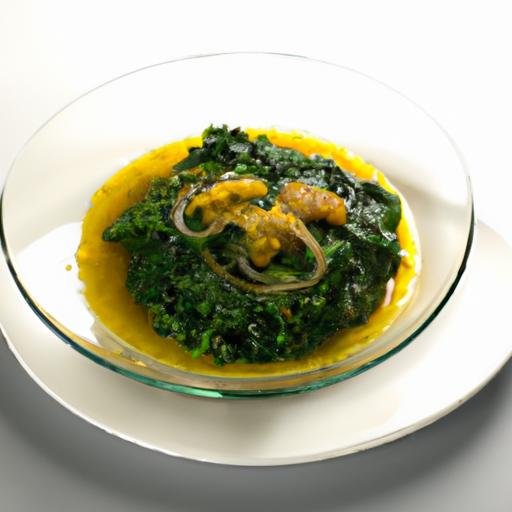


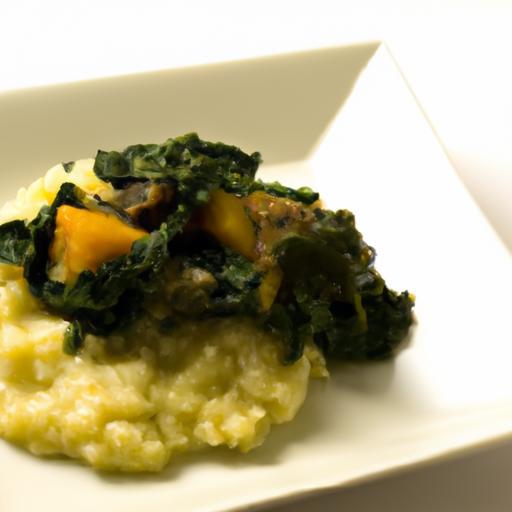
In the heart of East Africa, where flavors burst with vibrant life and tradition flows as deeply as the Great Rift Valley, Kenyan cuisine offers a sensory journey that is both timeless and profoundly comforting. Among its cherished treasures is the humble yet hearty pairing of Sukuma and Ugali-a duo that transcends mere sustenance to become a symbol of community, culture, and heritage. this article invites you to savor Kenyan Sukuma with Ugali, exploring not just the mouthwatering taste but the rich stories simmering behind every bite. Join us as we unfold the layers of tradition baked into this iconic meal, a delicious testament to Kenya’s culinary soul.
Savoring Kenyan Sukuma with Ugali opens a window into Kenya’s rich culinary heritage, where simple ingredients are transformed into wholesome, soul-satisfying flavors. This iconic duo-stiff cornmeal porridge known as ugali paired with vibrant sautéed collard greens called sukuma-has been a staple across Kenyan households for generations. rooted in both nourishment and tradition, learning to master their preparation offers not only a culinary delight but also an authentic cultural experience.
Prep and cook Time
- Preparation: 10 minutes
- Cooking: 20 minutes
- Total Time: 30 minutes
Yield
Serves 4 hearty portions
Difficulty Level
Easy to Medium – Perfect for beginners but rewarding for those wanting to refine technique
Ingredients
- 2 cups ugali maize flour (fine white cornmeal)
- 3 cups water (for ugali)
- 1 large bunch sukuma (collard greens), thoroughly washed and chopped
- 2 tbsp vegetable oil (or sunflower oil)
- 1 medium onion, finely chopped
- 2 cloves garlic, minced
- 1 medium tomato, diced
- 1 small green chili, finely sliced (optional)
- Salt to taste
- Freshly ground black pepper to taste
Instructions
- Prepare the Ugali: bring the 3 cups of water to a rolling boil in a heavy-bottomed pot. Gradually add the maize flour while continuously stirring with a wooden spoon or spatula to prevent lumps from forming.
- Cook Until Thickened: Lower the heat to medium and vigorously stir until the mixture starts pulling away from the sides of the pot and thickens to a stiff dough-like consistency,about 5-7 minutes.
- Set and Rest: Once cooked, press the ugali into a smooth mound inside the pot, cover, and let it rest on low heat for an additional 2 minutes.
- Sauté Aromatics: Meanwhile, heat the vegetable oil in a large skillet over medium heat. Add the chopped onions and sauté until translucent, approximately 5 minutes.
- Add Garlic and Tomato: Stir in the minced garlic and diced tomato; cook until the tomato breaks down and the mixture is fragrant, about 3 minutes.
- Season the Sukuma: Add the chopped sukuma to the skillet along with the sliced chili, salt, and pepper. Stir well to combine.
- Sauté Until Tender: Cook the sukuma, stirring occasionally, until wilted and tender yet still vibrant green-roughly 7-8 minutes.
- Final Adjustments: Taste and adjust seasoning. For extra authenticity, some prefer a few drops of lemon juice or a pinch of bouillon powder at this stage.
- Serve Immediately: Scoop portions of ugali onto plates, shaping it into mounds or discs, and serve alongside generous servings of the luscious sukuma.
Chef’s Notes & Tips for Success
- Choosing the Sukuma: Select young, tender leaves for the best texture and mild flavor. remove thick stems if desired to avoid toughness.
- Ugali Texture: Master the right consistency by stirring continuously when adding flour. ugali should hold its shape but remain soft enough to scoop with fingers.
- Flavor Enhancements: For a smoky touch, lightly char the sukuma over an open flame before sautéing or add a pinch of smoked paprika.
- Make-Ahead: Ugali is best enjoyed fresh but can be reheated by steaming or microwaving with a damp cloth to restore moisture.
- Substitutions: If maize flour is unavailable, use fine cornmeal labeled for polenta, but adjust liquid as needed.
Serving Suggestions
Present the ugali as a firm white mound on your plate, paired with a vibrant heap of sautéed sukuma glistening with oil and dotted with colorful onions and tomatoes.Garnish with a wedge of lime or fresh coriander for brightness. For a full Kenyan-inspired meal, serve alongside stewed beef or nyama choma and a side of freshly chopped kachumbari salad. Enjoy with your hands for the most authentic experience, breaking the ugali into bite-sized pieces and using them to scoop up the tender greens.

| Nutrient | Per Serving |
|---|---|
| Calories | 320 kcal |
| Protein | 8 g |
| Carbohydrates | 56 g |
| Fat | 6 g |
For more African staples and cooking inspiration, explore our Kenyan Chicken Stew recipe that complements this dish beautifully. To deepen your understanding of traditional East African grains, visit FAO’s resource on traditional grains.
Q&A
Q&A: Savoring Kenyan Sukuma with Ugali – A Taste of Tradition
Q1: What exactly is Sukuma,and why is it so beloved in Kenyan cuisine?
A1: Sukuma,short for sukuma wiki wich means “to push the week” in Swahili,is a hearty,leafy green vegetable akin to collard greens. It’s beloved as it’s affordable, versatile, and packed with nutrients. In Kenya, it’s more than food; it’s a symbol of resilience-a way to stretch meals during tight times while still celebrating vibrant flavors.
Q2: How is Sukuma typically prepared in Kenya?
A2: Sukuma is usually sautéed lightly with onions, tomatoes, and a hint of oil, often seasoned simply with salt and sometimes a touch of chili for warmth. The process is swift, preserving the greens’ texture and freshness. This preparation highlights its natural earthiness and pairs perfectly with staples.
Q3: What is Ugali, and what role does it play alongside Sukuma?
A3: Ugali is Kenya’s beloved staple carbohydrate-a dense, creamy porridge made from maize (corn) flour boiled with water until it forms a firm yet dough-like consistency. It’s the ideal “spoon” for scooping Sukuma, creating a harmonious balance between the mild, starchy ugali and the savory, slightly bitter greens.
Q4: Why is the combination of Sukuma and Ugali considered a “taste of tradition”?
A4: this pairing resonates deeply with Kenyan culture and daily life. For generations, families have gathered around this simple yet nourishing meal, which embodies home, heritage, and community. It’s a culinary ritual that ties modern-day kitchens to ancestral roots-a delicious bridge between past and present.
Q5: Can Sukuma with Ugali be enjoyed by people unfamiliar with Kenyan cuisine?
A5: Absolutely! Its flavors are approachable and comforting. the mildness of Ugali complements the vibrant, slightly peppery greens perfectly, making it a great introduction to Kenyan food. Plus, it’s naturally gluten-free and vegan-friendly, welcoming palates from all walks of life.
Q6: Are there any tips for making the perfect Sukuma and Ugali at home?
A6: For Sukuma, use fresh, tender kale or collard greens, chop them finely, and sauté quickly to keep them crisp. For Ugali, patience is key-stir continuously over medium heat to avoid lumps, and stop when it thickens into a soft dough you can mold with your hands. Serve immediately, piping hot, for the authentic experience.
Q7: How does sharing Sukuma and Ugali foster connection in Kenyan communities?
A7: This meal is often served family-style, encouraging everyone to eat from the same plate, scooping ugali and Sukuma together. It’s a communal dining experience that transcends food-building bonds, sharing stories, and celebrating togetherness, one delicious bite at a time.
Savoring Kenyan Sukuma with Ugali is more than tasting food-it’s tasting history, culture, and the enduring spirit of a people who transform simple ingredients into a feast of tradition.
To Wrap it up
As the last morsel of sukuma spinach mingles with the comforting, doughy embrace of ugali on your plate, you’re not just savoring a meal-you’re tasting a rich tapestry of Kenyan heritage.This humble pairing, vibrant in flavor and steeped in tradition, offers more than nourishment; it tells a story of community, resilience, and the enduring joy found in simple, authentic ingredients. So next time you sit down to enjoy sukuma with ugali,remember: with each bite,you’re connecting to a centuries-old ritual that continues to bring people together around the table,celebrating life one delicious forkful at a time.