Long before refrigeration or modern packaging, our ancestors turned to the sun’s generous warmth to transform humble ingredients into enduring treasures. Sun-dried foods stand as a timeless testament to humanity’s ingenuity-a natural alchemy where heat, air, and time converge to preserve, intensify, and elevate flavors. This ancient art, practiced across continents and cultures, harnesses the sun not just to sustain nourishment but to create vibrant tastes that echo through culinary history. Join us as we explore the interesting world of sun-dried foods, uncovering their enduring appeal, the science behind their preservation, and the rich flavors they continue to bring to tables around the globe.
Sun-Dried Foods: Mastering the Ancient Technique for Flavorful Preservation
Sun-dried foods hold a unique place in culinary tradition, celebrated for their intense flavors and longevity. Their roots trace back thousands of years, when ancient cultures harnessed the sun’s power to preserve harvests, turning simple ingredients into concentrated taste explosions. This natural method not only enhances flavor but also locks in valuable nutrition, making sun-dried foods a treasure in both rustic and gourmet kitchens.
Prep and Cook Time
- Planning: 15 minutes (plus drying time)
- Sun Drying: 2 to 5 days, depending on the food and weather
- Rehydration/Cooking: 10 to 30 minutes, depending on recipe
Yield
Varies depending on initial quantity (e.g., 1 pound fresh tomatoes yield approximately 6 ounces sun-dried tomatoes)
Difficulty Level
Medium – requires patience for drying but very simple in preparation
ingredients
- 2 lbs ripe cherry tomatoes, halved
- 2 tbsp extra virgin olive oil
- 1 tsp sea salt
- 1 tsp dried oregano
- Fresh basil leaves, for garnish
- Optional: 2 cloves garlic, thinly sliced
Instructions
- Prepare your tomatoes: Wash and halve the cherry tomatoes, removing any seeds that may cause excess moisture retention. lay them cut-side up on a clean, sun-safe drying tray.
- Season: Sprinkle evenly with sea salt and dried oregano to enhance the drying process and flavor intensity.
- Arrange for sun drying: Place the trays in a sunny, dry spot with good airflow. Ideal temperatures are 85°F (29°C) or higher. Cover loosely with a fine mesh or cheesecloth to keep insects away while allowing moisture to escape.
- Dry under the sun: Allow tomatoes to dry for 2 to 5 days. Turn them gently every 12 hours to ensure even dehydration. When fully dried,tomatoes should feel leathery but pliable,not brittle.
- Storage: Transfer the dried tomatoes to an airtight container.For enhanced taste, submerge them in olive oil with garlic slices and fresh herbs, refrigerate, and enjoy within 2 weeks.
- Cooking with sun-dried tomatoes: Soak dried tomatoes in warm water for 20 minutes to rehydrate before adding to sauces, salads, or gourmet dishes for a burst of umami flavor.
Tips for Success
- Choose fresh, ripe ingredients: The quality of your fresh produce directly affects the final flavor of your sun-dried foods.
- Climate considerations: If the sun is less reliable, an oven at the lowest setting or a food dehydrator offers a consistent alternative.
- Ventilation and hygiene: Proper airflow prevents mold; cover foods with breathable fabric to keep insects out.
- Storage safety: Store sun-dried foods in a cool,dry place or refrigerate once packaged to maintain longevity.
- Experiment with herbs and spices: Adding rosemary, thyme, or chili flakes during drying can create exciting flavor variations.
- Make ahead: sun-dried tomatoes can be stored for months when properly dried and sealed, perfect for batch prepping your pantry staples.
Serving Suggestions
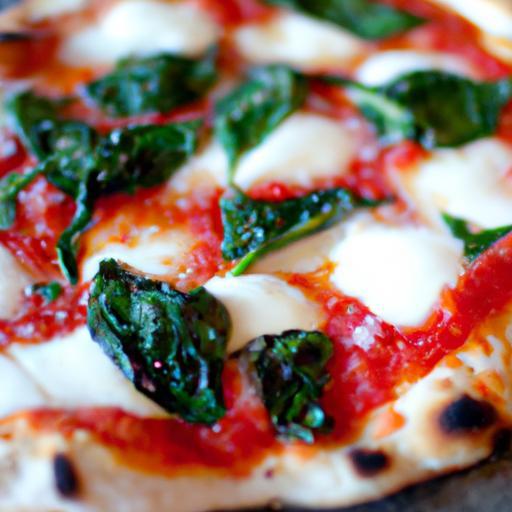
Sun-dried tomatoes transform everyday dishes into gourmet experiences. Stir them into pasta with a drizzle of olive oil and fresh Parmesan for a swift meal. Chop finely and blend into pesto for a vibrant twist. use as a topping for wood-fired pizzas or folded into savory scones for a flavorful burst. garnish dishes with fresh basil to complement the concentrated sweetness and tang of your sun-dried creations.

| Nutrient | Per 1 oz Sun-Dried Tomatoes |
|---|---|
| Calories | 139 kcal |
| Protein | 3.1 g |
| Carbohydrates | 30.6 g |
| Fat | 0.7 g |
Discover more ways to expand your culinary repertoire with dehydrated herbs and spices. For further insights into time-tested preservation methods, explore this USDA guide on food preservation.
Q&A
Q&A: Sun-Dried Foods – Nature’s Ancient Flavor and Preservation Art
Q1: What exactly are sun-dried foods?
A1: Sun-dried foods are ingredients-fruits,vegetables,meats,and herbs-that have been naturally preserved by the gentle power of the sun’s rays. This traditional method involves dehydrating food by exposing it to sunlight, removing moisture to inhibit spoilage, concentrating flavors, and creating unique textures. Its nature’s oldest freezer, crafted by time and sunlight.
Q2: How did ancient civilizations discover sun-drying?
A2: long before refrigerators and freezers, ancient peoples observed that food left out under the sun lost water, lasted longer, and tasted different-frequently enough better.This primal practice likely began as a way to prevent waste and ensure nutrition during scarce seasons,with early cultures in Egypt,India,and the Mediterranean harnessing the sun to preserve their harvests and catches.
Q3: Why does sun-drying make food tastier?
A3: As the sun gently dries the food, water evaporates and the natural sugars and flavors become intensely concentrated. This conversion deepens the food’s complexity and sweetness, often resulting in a chewy, dense texture packed with rich tastes-think sun-dried tomatoes’ robust tang or apricots’ caramelized zing.
Q4: What foods are commonly sun-dried today?
A4: The classics remain favorites: tomatoes, grapes (into raisins), apricots, figs, and peppers. Herbs like oregano and thyme have long been sun-dried for culinary use. Some cultures sun-dry fish, meat, and even grains. Modern enthusiasts also experiment with sun-drying mushrooms, chilies, and exotic fruits, reviving this age-old art in home kitchens.
Q5: How does sun-drying preserve food?
A5: Sun-drying reduces the water content to a level that discourages bacterial growth and mold, which need moisture to thrive.By depriving microorganisms of moisture, the food remains safe to store for months or even years. Additionally, sunlight’s UV rays have mild antimicrobial effects, subtly aiding in preservation.
Q6: Are there health benefits to eating sun-dried foods?
A6: Yes! sun-dried foods retain much of their nutritional value-fiber,vitamins,and minerals-often in a more concentrated form. They can be excellent sources of antioxidants and natural sugars for energy. Plus, they’re generally free from preservatives and additives, embracing a pure, natural essence.
Q7: Can anyone sun-dry food at home?
A7: Absolutely! Sun-drying is as simple as slicing your food thinly, arranging it on a clean rack or screen, and letting the sun work its magic-ideally in a warm, dry, breezy spot. Covering with fine mesh protects from insects. While it requires patience (days to weeks), the process connects you to centuries of culinary tradition.
Q8: How does sun-drying compare to modern drying methods?
A8: modern techniques like oven-drying or using dehydrators speed up the process and control environment variables carefully. however, sun-drying imparts a unique depth of flavor and an artisanal quality that machines can’t replicate. It’s a slower,gentler method that captures the sun’s intangible warmth and legacy.
Q9: What cultural significance do sun-dried foods hold?
A9: Sun-dried foods are culinary time capsules, embodying tradition, resourcefulness, and regional identity. For Mediterranean cultures, sun-dried tomatoes and olives are staples; in Asia, sun-dried fish and spices flavor daily meals. They remind us how intimately connected humans have been with nature’s cycles and the gift of sunlight.
Q10: any tips for enjoying sun-dried foods?
A10: Try soaking sun-dried tomatoes or fruits before use to rehydrate and amplify their lushness. Mix sun-dried herbs into soups, stews, or oils to unleash their aromatic power. snack on sun-dried fruits for natural energy boosts or infuse teas with sun-dried peels and flowers for a rustic twist. Let your palate explore the sun’s ancient flavor treasure.
Sun-dried foods are more than preserved edibles-they’re edible time machines, savoring the sun’s golden alchemy and connecting us to nature’s oldest recipe for deliciousness and survival.
Key Takeaways
As sunlight continues its timeless dance across the earth, it carries with it the ancient wisdom of preservation and flavor captured in the humble practice of sun-drying.This age-old technique transforms mere ingredients into vibrant, enduring treasures-concentrating tastes, extending shelf life, and connecting us to a heritage that spans millennia. Embracing sun-dried foods is more than a nod to tradition; it’s a party of nature’s alchemy, where warmth and air collaborate to craft nutrition and nourishment in their purest forms. In a modern world craving authenticity and sustainability, sun-dried foods invite us to slow down, savor time-honored flavors, and honor the simple art of preserving life under the sun’s gentle watch.