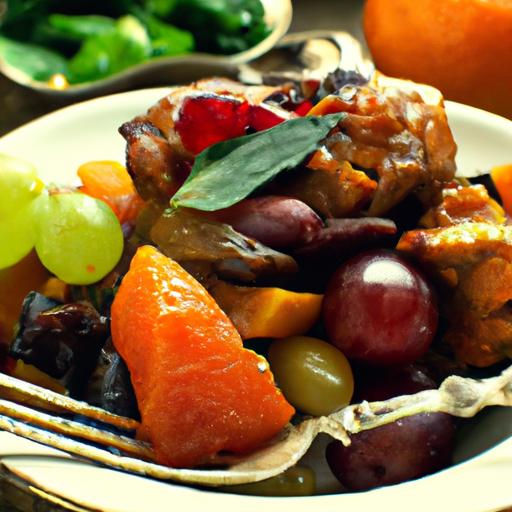
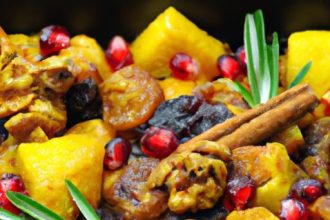
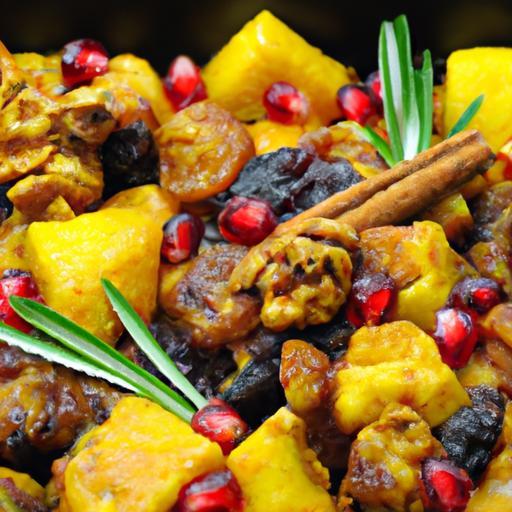
In the heart of Moroccan cuisine lies a culinary treasure that masterfully marries contrasting flavors-sweet and savory. The dried fruit tagine, with its rich tapestry of tender meats, fragrant spices, and luscious dried fruits, invites diners on a sensory journey steeped in tradition and warmth.This enchanting dish transcends mere nourishment, offering a vibrant experience where caramelized dates, apricots, and figs mingle with cinnamon, ginger, and cumin to create a symphony of taste. Join us as we explore the art of crafting dried fruit tagines,uncovering recipes that celebrate this timeless blend of flavors and bring a taste of North African heritage to your table.
Sweet & Savory: Exploring dried fruit tagine recipes opens a window into the enchanting world of Moroccan cuisine, where balance reigns supreme. This dish masterfully intertwines the richness of spices with the natural sweetness of dried fruits, creating layers of flavor that seem to sing together on the palate. Whether it’s the tender embrace of slow-cooked lamb or chicken mingling with plump apricots and fragrant cinnamon, each bite tells a story of time-honored tradition and vibrant, soulful cooking.
Prep and Cook Time
- Readiness: 20 minutes
- Cooking: 2 hours 30 minutes (slow simmer)
Yield
- Serves 6 hearty portions
Difficulty Level
- Medium – perfect for home cooks eager to explore authentic Moroccan flavors
Ingredients
- 2 lbs bone-in lamb shoulder, trimmed and cut into chunks
- 1 cup dried apricots, halved
- 1 cup dried prunes, pitted and halved
- ½ cup dried figs, chopped
- 2 tbsp olive oil
- 1 large onion, finely sliced
- 4 cloves garlic, minced
- 1 tsp ground cinnamon
- 1 tsp ground cumin
- 1 tsp ground ginger
- ½ tsp turmeric powder
- ¼ tsp cayenne pepper (adjust to taste)
- Salt and freshly ground black pepper, to taste
- 2 cups low-sodium chicken or vegetable broth
- 1 tbsp honey
- 1 cup blanched almonds, toasted
- Fresh cilantro and parsley, roughly chopped for garnish
- Zest of 1 lemon
Instructions
- Heat the olive oil in a heavy-bottomed tagine or large Dutch oven over medium heat. Add the lamb chunks and brown evenly on all sides,about 8 minutes,turning frequently to develop a beautiful caramelized crust.
- Transfer the lamb to a plate and sauté the sliced onion and garlic in the same pot until soft and translucent, around 5 minutes.
- Sprinkle in the spices – cinnamon, cumin, ginger, turmeric, cayenne – and stir for 1-2 minutes until aromatic, ensuring the dry spices toast lightly without burning.
- return the browned lamb to the pot; season generously with salt and pepper, then pour in the broth. Bring the mixture to a gentle boil, then reduce heat to low.
- Cover and simmer for 1 hour 45 minutes, stirring occasionally. The meat should become tender and the broth reduce slightly to a thick,flavorful sauce.
- Add the dried apricots,prunes,figs,and honey to the tagine,gently folding them into the stew. Cover and let cook for an additional 30 minutes so the fruits soften and release thier natural sweetness, marrying beautifully with the spices.
- Meanwhile, toast the almonds in a dry pan over medium heat until golden and fragrant, about 4 minutes. Set aside.
- Once the tagine is ready,sprinkle with toasted almonds,fresh cilantro,parsley,and lemon zest for brightness and contrast.
- Serve hot with fluffy couscous or warm crusty bread to soak up every drop of the luscious sauce.
Tips for Success
- Choosing Dried Fruits: Opt for high-quality, soft dried fruits without added sugars or preservatives.The subtle,natural sweetness elevates the tagine without overpowering the savory elements.
- Spice Balance: If you prefer a milder dish, reduce the cayenne gradually; for a spicier version, add a fresh chili or smoked paprika for depth.
- Make-Ahead: tagines develop deeper flavor when rested. Prepare the tagine a day ahead and gently reheat; the spices will bloom even more beautifully.
- Protein Alternatives: Chicken thighs or beef short ribs can be excellent substitutes, adjusting the simmer time accordingly.
- Moisture Level: If the sauce thickens too much during cooking, add a splash of warm broth or water to maintain a luscious consistency.
Serving Suggestions
present your tagine family-style in the pot for a warm, communal experience. Garnish generously with fresh herbs and toasted nuts to add freshness and crunch. accompany with couscous tossed with chopped parsley and lemon zest or herbed flatbreads to soak up the sauce.Pair with a crisp, acidic white wine or a fruity Moroccan mint tea for a complete sensory journey. A sprinkle of pomegranate seeds brings a jewel-like pop of color and tartness that perfectly offsets the sweetness.

| Nutritional Info (per serving) | Calories | Protein | Carbs | Fat |
|---|---|---|---|---|
| Tagine with Lamb & dried Fruits | 480 kcal | 35 g | 30 g | 22 g |
For a deeper dive into Moroccan dishes and techniques, explore our Moroccan Couscous Recipes. To enrich your spice knowledge, visit the Moroccan Culinary Spices guide.
Q&A
Q&A: Sweet & Savory – Exploring Dried Fruit Tagine Recipes
Q1: What exactly is a tagine, and why is it perfect for cooking with dried fruits?
A1: A tagine is both a conventional North African cooking vessel and the slow-cooked stew that simmers inside it. The conical lid traps steam and releases it slowly, creating a moist, tender habitat. This slow cooking beautifully melds the robust spices with the natural sweetness of dried fruits, resulting in a harmonious sweet-and-savory symphony that’s uniquely North African.Q2: Which dried fruits are commonly used in tagine recipes?
A2: The pantry stars of tagine dishes are apricots, dates, figs, prunes, and raisins. Each brings its own depth of flavor – apricots add a tangy brightness, figs contribute a honeyed earthiness, and prunes lend a rich, velvety sweetness.When these fruits slow-cook with meat, spices, and herbs, they create layers of complexity that dance on your palate.
Q3: can dried fruit tagines be made vegetarian or vegan?
A3: Absolutely! While traditional tagines frequently enough feature lamb or chicken, dried fruit tagines are versatile and welcoming to plant-based modifications. Swap out meat for hearty vegetables like eggplant, sweet potatoes, or chickpeas. The dried fruits and spices still shine, infusing the dish with warmth and richness-no animal protein needed.
Q4: What spices complement dried fruit tagine recipes?
A4: Warm, aromatic spices are the alchemy behind the magic. Think cinnamon, ginger, cumin, coriander, turmeric, and a pinch of saffron. These spices balance the fruity sweetness,adding depth and a touch of earthiness. Fresh herbs such as cilantro and parsley bring brightness at the end, rounding out the flavors.
Q5: How do I avoid making my dried fruit tagine overly sweet?
A5: The key is balance. Pair dried fruits with savory ingredients like onions, garlic, and meat or vegetables, and temper the sweetness with acidic notes such as lemon juice or preserved lemons. The spices also act as counterpoints.The slow cooking process naturally melds flavors,so resist the urge to add too much sugar or dried fruit upfront.
Q6: What’s the best way to serve a dried fruit tagine?
A6: Traditionally, tagines are served straight from the pot, surrounded by fluffy couscous to soak up the fragrant sauce. You can also accompany them with crusty bread or steamed rice.Garnish with toasted almonds or sesame seeds for an added crunch and an extra layer of texture.
Q7: Any tips for sourcing dried fruits for tagine recipes?
A7: Quality matters. Opt for unsweetened, natural dried fruits without preservatives or additives to avoid overpowering your dish with artificial sweetness.Local markets or specialty food stores often carry the best selections. If possible, soak your dried fruits briefly before cooking to rehydrate them and help them better integrate with the other ingredients.
Q8: Can I make tagines without a traditional tagine pot?
A8: Yes! While the tagine pot enhances flavor and texture, a heavy-bottomed Dutch oven or slow cooker works just as well. The main goal is slow, gentle cooking to allow flavors to meld and the meat or vegetables to become tender. Cover tightly to trap moisture and recreate that signature tagine effect.
Q9: What makes dried fruit tagines appealing to modern home cooks?
A9: Their magical fusion of sweet and savory flavors feels both exotic and comforting. Dried fruit tagines are relatively simple to prepare, requiring minimal hands-on time, making them perfect for busy weeknights or leisurely weekend meals. Plus, their adaptability to various dietary preferences and abundant spices inspire culinary creativity-opening a window into North African culture from your own kitchen.
Q10: How can I personalize my dried fruit tagine recipe?
A10: Experiment with different dried fruits, proteins, and spice combinations. Add a splash of orange blossom water or a handful of preserved lemons to introduce new dimensions. Mix in nuts or fresh vegetables according to the season. Most importantly,tune the sweetness and spice levels to your taste. The best tagines tell your story through bold,warming flavors.
Final Thoughts
As the last fragrant steam settles from your tagine, you’re left with more than just a satisfying meal-you’ve embraced a culinary tradition where sweet and savory dance in perfect harmony. Dried fruits, with their concentrated flavors and chewy textures, transform the humble stew into a mosaic of tastes that evoke the sun-soaked landscapes and rich cultures of North Africa.Whether you’re a seasoned cook or a curious food explorer, experimenting with dried fruit tagine recipes invites you to savor complexity in every bite and celebrate the timeless magic of slow-cooked goodness.So next time you seek a dish that tells a story with each mouthful, let the enchanting blend of dried fruits and spices guide your journey through this unforgettable world of flavor.