Step into the vibrant world of sweet Seoul, where tradition meets temptation in every bite. Korean desserts, with their delicate balance of flavors and textures, offer a captivating journey through centuries of culture and culinary artistry. From the chewy sweetness of tteok (rice cakes) to the refreshing coolness of bingsu (shaved ice), these treats are more than just desserts-they’re stories told through ingredients, colors, and time-honored techniques. In this article, we invite you to discover authentic Korean dessert recipes that bring the soul of Seoul’s sweet heritage straight to yoru kitchen, turning every spoonful into a moment of pure delight.
Sweet Seoul: Discover authentic Korean Dessert Recipes introduce you to the timeless charm of traditional ingredients that beautifully define Korean sweets. Whether you’re dipping into tteok rice cakes crafted for family gatherings or indulging in a bowl of refreshing patbingsu lush with seasonal toppings, these experiences offer a flavorful gateway into Korea’s rich culinary heritage. Let’s dive deeper into mastering the textures, flavors, and secrets behind these iconic desserts, including the irresistible allure of hotteok with hidden fillings that capture the spirit of Korean street food.
Mastering the Art of Tteok Rice Cakes for Every Occasion
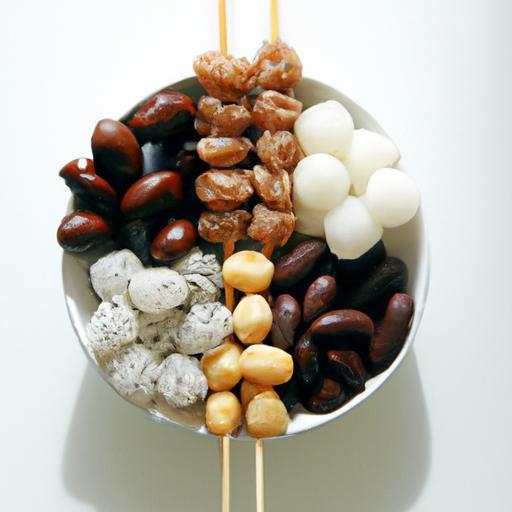
Tteok, the Korean rice cake, is more than just a dessert-it’s a cultural symbol of celebration, longevity, and warmth. Soft, chewy, and subtly sweet, tteok comes in an array of shapes and fillings that suit every festival or family moment. The traditional Injeolmi variety, dusted with roasted soybean powder, provides a nutty balance to its mild flavor. crafting tteok at home may seem intimidating, but with the right techniques, it becomes a soothing ritual and rewarding experience.
Prep and Cook Time
- Preparation: 30 minutes
- Steaming: 20 minutes
- Total: 50 minutes
Yield
About 12 tteok pieces (servings for 4)
Difficulty Level
medium – requires patience and attention to steaming technique
Ingredients
- 2 cups sweet rice flour (chapssalgaru)
- 1 cup boiling water
- 1/2 cup roasted soybean flour (kinako)
- 2 tablespoons honey or rice syrup
- Pinch of salt
- Vegetable oil (for dusting hands and surface)
Instructions
- Prepare dough: In a large bowl, slowly pour boiling water over the sweet rice flour, stirring quickly with a wooden spoon until a sticky dough forms.
- Knead: Allow the dough to cool slightly, then knead by hand for 5 minutes, dusting your palms lightly with vegetable oil to prevent stickiness.
- Shape: Divide dough into 12 equal pieces, rolling each into a smooth ball.
- Steam: Place the dough balls on a parchment-lined steamer tray, leaving space between them. Steam for 20 minutes on medium-high heat until translucent and tender.
- Coat: Remove steamed tteok, brush lightly with honey or rice syrup while warm, and roll generously in roasted soybean flour for a nutty, powdery finish.
- Serve: Arrange on a platter, optionally garnished with pine nuts or edible flowers for an elegant touch.
Tips for Success
- Use fresh boiling water directly from the kettle to ensure your dough binds properly.
- Do not over-steam; overcooked tteok may become overly sticky or dense.
- Store leftover tteok wrapped in plastic wrap at room temperature for up to a day; steam again briefly before serving to restore softness.
- For a joyful twist, add crushed nuts or finely chopped dried fruit to the dough before steaming.
Serving Suggestions
Enjoy tteok alongside Korean herbal teas to deepen the cultural experience. Pair with sweetened red bean paste or drizzle a bit of cinnamon sugar for gentle contrasting textures.
Decadent and Delightful Patbingsu Variations to Cool Your Summer
Patbingsu,Korea’s iconic shaved ice dessert,bursts with playful layers and a symphony of tastes. Originating as a simple mix of crushed ice and sweet red beans, today’s variations embrace colorful fruits, chewy mochi, and creamy condensed milks. The artistry lies in balancing crunchy, soft, and refreshing textures in each spoonful.
Prep and Cook Time
- Preparation: 15 minutes
- Assembly: 10 minutes
- Total: 25 minutes
yield
Makes 2 generous servings
Difficulty Level
easy – minimal cooking, focus on fresh ingredients
Ingredients
- 2 cups finely shaved ice
- 1/2 cup cooked sweetened red beans (pat)
- 1/2 cup assorted fresh fruits (strawberries, mango, kiwi)
- 1/4 cup small rice cake balls (mini tteok or mochi)
- 3 tablespoons sweetened condensed milk
- 1 tablespoon toasted sliced almonds
- Optional: 2 tablespoons fruit syrup or honey
Instructions
- prepare and chill: Shave the ice finely and keep it cold in the freezer until assembly.
- Layer base: Place a half cup of shaved ice in each serving bowl.
- Add toppings: Spoon sweetened red beans evenly over the ice, then carefully artfully arrange fresh fruit slices and chewy rice cake balls atop.
- Drizzle sweetness: Pour condensed milk and optional fruit syrup over the bowl for luscious richness.
- Garnish: Sprinkle toasted almonds on top to add a toasty crunch and contrast.
tips for Success
- Use the freshest seasonal fruit to elevate the flavor and vibrancy.
- Freeze small mochi bites to add a pleasant chewy chill to each bite.
- control sweetness by adjusting the amount of condensed milk or syrup.
- Experiment with toppings like matcha powder, cereal flakes, or ice cream for creative twists.
Serving Suggestions
serve patbingsu in clear glass bowls to showcase the layers visually.complement with a refreshing iced green tea or a tangy yuzu juice for a balanced palate.
Creating Authentic Hotteok with Secret Fillings for perfect Street Flavor
Hotteok is the beloved Korean street snack that captivates with its crispy exterior and molten, sweet interior. The secret fillings can elevate the experience, blending classic brown sugar and nuts with creative surprises that bring personal flair.Crisp on the outside, irresistibly gooey inside-this is comfort food at its finest.
Prep and Cook Time
- Preparation: 15 minutes (plus 1 hour proofing)
- Cooking: 10 minutes
- Total: 1 hour 25 minutes
Yield
Makes 8 hotteok pancakes
Difficulty Level
Medium – requires yeast dough handling and pan-frying skills
Ingredients
- 2 1/4 teaspoons active dry yeast (1 packet)
- 1 cup warm water (110°F / 43°C)
- 2 tablespoons sugar
- 2 1/2 cups all-purpose flour, sifted
- 1/2 teaspoon salt
- 2 tablespoons vegetable oil (+ extra for frying)
- Filling:
- 1/2 cup brown sugar, packed
- 1/2 cup chopped walnuts or peanuts
- 1 teaspoon cinnamon powder
- Optional secret fillings: chocolate chips, pumpkin seeds, or cream cheese cubes
Instructions
- Activate yeast: In a bowl, combine warm water, yeast, and sugar. Stir lightly,then let it foam for 5-10 minutes.
- Make dough: Mix flour and salt in a large bowl. Add yeast mixture and vegetable oil. knead until soft and elastic, about 7-8 minutes.
- Proof dough: Cover with a damp cloth and let the dough rise in a warm place for 1 hour until doubled in size.
- Prepare filling: Combine brown sugar, nuts, and cinnamon in a bowl.Add any optional secret fillings to customize.
- Shape pancakes: Punch down dough and divide into 8 balls. Flatten each piece into a circle, spoon filling in the center, then fold and seal edges completely.
- Cook hotteok: Heat a non-stick pan over medium heat and lightly oil it. Place filled dough seam-side down. Fry for 2-3 minutes until golden, then press gently with a spatula to flatten.Flip and cook the other side until golden brown and caramelized.
- Serve warm: Keep hotteok warm in a low oven if making in batches. enjoy immediately for the best molten texture.
tips for Success
- Ensure dough is soft but not sticky-add flour or water sparingly if needed.
- Seal the filling completely to avoid leaks that burn on the pan.
- Experiment with filling combos such as crushed peanuts with honey or a mix of seeds for texture.
- Serve hotteok with a cup of spiced Korean cinnamon tea for the perfect pairing.
Serving Suggestions
Top hotteok with a sprinkle of powdered sugar or a drizzle of honey. For added indulgence, serve alongside vanilla ice cream or caramel sauce.
| Nutrient | Tteok (per serving) | Patbingsu (per serving) | Hotteok (per serving) |
|---|---|---|---|
| Calories | 150 kcal | 220 kcal | 300 kcal |
| Protein | 3 g | 4 g | 5 g |
| Carbohydrates | 34 g | 45 g | 50 g |
| Fat | 1 g | 2 g | 9 g |

For a deeper understanding of traditional Korean ingredients and their cultural roots, visit National Geographic’s exploration of Korean cuisine.
Q&A
Q&A: Sweet Seoul – discover Authentic Korean Dessert Recipes
Q1: What makes Korean desserts unique compared to other Asian sweets?
A1: Korean desserts, or hangwa, are celebrated for their delicate balance of natural flavors, subtle sweetness, and lovely textures. Unlike the often sugary or heavily spiced treats found elsewhere, Korean sweets emphasize ingredients like rice, beans, nuts, and honey, creating desserts that are both nourishing and elegant. They often incorporate traditional elements like chewy rice cakes (tteok), silky bean pastes, and floral infusions, giving each bite a harmonious and soulful experience.
Q2: Can you name some traditional Korean desserts featured in Sweet Seoul?
A2: Absolutely! The collection includes timeless favorites such as patbingsu (shaved ice topped with sweet red beans and fruits), hotteok (sweet syrup-filled pancakes), injeolmi (glutinous rice cakes coated with powdered beans), and yakgwa (honey cookies with a rich, chewy texture). Each recipe captures the essence of Korean dessert culture,offering both authenticity and accessibility.
Q3: Are these dessert recipes difficult to make at home?
A3: Sweet Seoul is designed to be approachable for home cooks of all levels. While some recipes, like folding tteok, might require a bit of practice, the article guides you step-by-step, including tips on where to find traditional ingredients or how to substitute them. Many recipes emphasize using common pantry staples and straightforward techniques, making it easy to bring a taste of Korea into your kitchen.
Q4: What ingredients are essential for authentic Korean dessert making?
A4: key ingredients include glutinous rice flour,sweet red beans (adzuki beans),honey or rice syrup,mung beans,sesame seeds,and edible flowers like chrysanthemum or magnolia. Sweet Seoul also highlights the importance of natural sweeteners and minimal processing, staying true to the traditional Korean philosophy of balance and simplicity.
Q5: How do Korean desserts reflect Korean culture and history?
A5: Korean desserts are more than just food; they are a reflection of Korea’s agricultural heritage, communal celebrations, and respect for natural harmony. Many sweets were historically prepared for festivals, ancestral rites, and royal courts, symbolizing good fortune and gratitude. Through ingredients and methods passed down generations, these desserts connect modern eaters with Korea’s rich cultural tapestry.
Q6: Can these recipes be adapted for dietary restrictions?
A6: Definately! Many traditional Korean desserts are naturally gluten-free due to the use of rice flour, and can be made vegan by substituting animal-derived ingredients like honey with alternatives such as rice syrup or agave nectar. Sweet Seoul offers suggestions for adapting recipes without compromising authenticity or flavor.
Q7: What’s the best way to enjoy Korean desserts?
A7: Korean desserts are best savored with mindfulness-frequently enough alongside tea or as a refreshing palate cleanser. Such as, enjoying patbingsu on a hot summer day or nibbling on a warm hotteok during winter captures both the seasonal charm and texture play that Korean sweets excel in. Sharing these desserts with friends and family adds to the warmth and tradition.
Q8: Where can readers find authentic Korean ingredients needed for these recipes?
A8: Many ingredients can be sourced from Asian grocery stores or specialty online retailers. Sweet Seoul also provides a handy guide on substitutes and tips for identifying authentic products, helping cooks worldwide recreate these desserts without hassle.
Discover the sweet harmony of flavors and textures Korean desserts offer,and let sweet Seoul inspire your next culinary adventure into authentic Korean sweetness!
In Retrospect
As we wrap up this delightful journey through Sweet Seoul,you’re now equipped to bring a taste of Korea’s rich dessert culture into your own kitchen. From the chewy embrace of tteok to the delicate sweetness of patbingsu, these authentic recipes invite you to savor tradition with every bite. Whether you’re sharing with family, impressing friends, or simply indulging yourself, Korean desserts offer a perfect blend of history, texture, and flavor that transcends borders. So go ahead-explore, experiment, and let the sweetness of Seoul inspire your next culinary adventure. Your palate will thank you.