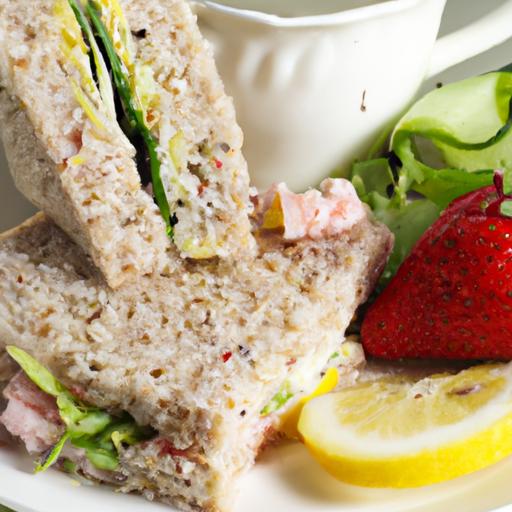
There’s a quiet elegance in the simple, unassuming tea sandwich-a tradition steeped in history, culture, and the gentle art of afternoon refinement. “Timeless Taste: Exploring Classic British Tea Sandwiches” invites you to journey beyond the ordinary bite, uncovering the stories, ingredients, and subtle flavors that have made these dainty delicacies a beloved staple on British teatime tables for centuries. From the crisp crustless bread to the delicate fillings, each sandwich is a miniature masterpiece, reflecting an era where culinary charm met social ritual. Join us as we slice open this savory heritage and savor the enduring appeal of these quintessential British treats.
Timeless Taste: Exploring Classic British Tea Sandwiches begins with mastering the delicate art of creating perfectly light and fluffy bread-the canvas for each memorable bite. Crafted with finesse, this bread contrasts beautifully against the vibrant and savory fillings that define traditional British tea sandwiches. the interplay of textures and flavors invites you to an elevated tea experience steeped in heritage and hospitality.
Prep and Cook time
- Preparation: 20 minutes
- Proofing: 1 hour 30 minutes
- Baking: 20 minutes
- Total Time: 2 hours 10 minutes
Yield
Approximately 12 small tea sandwiches (4 servings)
Difficulty Level
Medium – a rewarding project suitable for confident home bakers
Ingredients
- 3 cups all-purpose flour, sifted
- 1 cup whole milk, warm (about 110°F/43°C)
- 2 ¼ tsp (1 packet) active dry yeast
- 2 tbsp granulated sugar
- 1 tsp fine sea salt
- 3 tbsp unsalted butter, softened
- 1 large egg
- Butter or olive oil for greasing
Instructions
- Activate the Yeast: In a small bowl, combine the warm milk and sugar. Sprinkle the yeast over the surface and let it sit for 5-7 minutes until foamy and bubbly, signaling active yeast.
- Mix Dry Ingredients: in a large mixing bowl, whisk the sifted flour and salt together, ensuring even distribution for consistent flavor.
- Form the Dough: make a well in the center, pour in the yeast mixture, softened butter, and beaten egg. Stir gently with a wooden spoon until ingredients begin to form a shaggy dough.
- Knead to Perfection: Transfer the dough to a lightly floured surface.Knead vigorously for 8-10 minutes until the dough becomes smooth, elastic, and slightly tacky. If it feels overly sticky, dust sparingly with flour-over-kneading with too much flour can toughen the crumb.
- First Rise: Lightly grease a clean bowl with butter or olive oil, place the dough inside, cover with a damp cloth or plastic wrap.Let it rise in a warm,draft-free spot for 1 hour or until doubled in size.
- Shape and Second Rise: Punch down the dough gently, then transfer it to a floured surface. Roll into a 9×12 inch rectangle for thin-sliced sandwiches. fold the dough into thirds (like a letter), then wrap it in lightly greased parchment paper. Refrigerate for 30 minutes to relax the gluten and improve slicing precision.
- Bake: Preheat the oven to 350°F (175°C). Remove dough from fridge, place on a parchment-lined baking sheet. Brush the surface lightly with melted butter for a soft crust. Bake for 18-20 minutes or until the top is lightly golden and the loaf sounds hollow when tapped.
- Cool Properly: Transfer the loaf to a wire rack to cool wholly before slicing thinly,about ¼ inch thick,perfect for dainty tea sandwiches.
- Assemble: choose your favorite signature fillings-from classic cucumber with dill cream cheese to smoked salmon with horseradish creme fraiche. Layer them on the bread, trimming the crusts neatly for authentic presentation.
Chef’s Notes & Tips for Success
- Flour Choice: Using all-purpose flour keeps the loaf light, but switching to bread flour ups the chewiness and structure.
- Milk Temperature: Lukewarm milk ensures optimal yeast activity. Too hot will kill the yeast; too cold and proofing slows.
- Butter Variations: Substitute softened butter with high-quality margarine or olive oil for subtle flavor shifts.
- Make-Ahead: The dough can be prepared the evening before, proofed once, shaped, wrapped in plastic, and refrigerated overnight for baking fresh the next day.
- crust Removal: For pristine tea sandwiches, removing crusts after slicing is traditional and makes each piece elegantly uniform.
Serving Suggestions
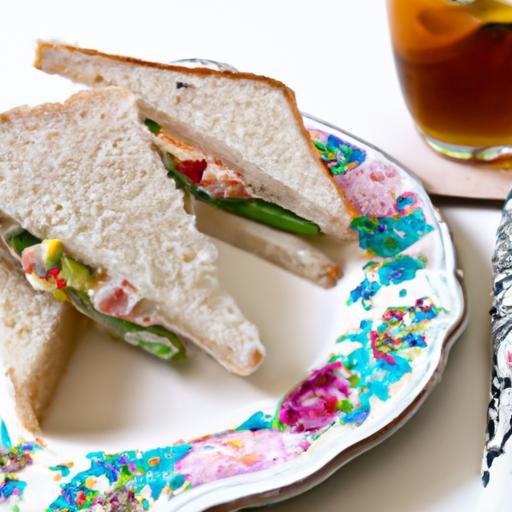
Arrange the tea sandwiches on a tiered cake stand or bone china platter to evoke classic British elegance. Garnish with fresh herbs like dill, chives, or edible flowers such as nasturtiums for a pop of color. Pair with vintage silver tea tongs and linen napkins to complete the experience. Accompany with a pot of brewed Darjeeling or Earl Grey that enhances the subtle flavors of each sandwich. Fresh lemon wedges and homemade clotted cream serve beautifully alongside cucumber or smoked salmon options.
| Nutrient | Per Serving (3 sandwiches) |
|---|---|
| Calories | 320 kcal |
| Protein | 8 g |
| Carbohydrates | 45 g |
| Fat | 8 g |

For additional inspiration on british teatime delicacies, explore our Clotted cream Recipe. To deepen your tea knowledge, visit the Teatulia Tea 101 guide, a highly authoritative resource on tea varieties and brewing tips.
Q&A
Q&A: Timeless Taste – Exploring Classic British Tea Sandwiches
Q1: what exactly are British tea sandwiches, and why are they considered timeless?
A1: British tea sandwiches are small, delicate finger sandwiches traditionally served during afternoon tea. Frequently enough made with thinly sliced bread and light, flavorful fillings, they embody the elegance and refinement of British tea culture. Their timelessness comes from both their simplicity and the ritual they represent-a pause in the day to enjoy company, conversation, and a perfect bite.
Q2: What are some quintessential fillings found in classic British tea sandwiches?
A2: classic fillings include cucumber with a touch of butter or cream cheese, smoked salmon paired with dill and lemon, egg and watercress, and the ever-charming coronation chicken-a blend of curried chicken salad dating back to Queen Elizabeth II’s coronation in 1953. Each filling is thoughtfully balanced, offering subtle yet distinct flavors that complement the soft bread.
Q3: Why is the choice of bread important in making tea sandwiches?
A3: The bread is the canvas of the tea sandwich. Traditionally, white bread with the crusts meticulously removed is used for it’s soft texture and neutral taste, which allows the fillings to shine. Some variations might use brown or wholemeal bread for added depth, but always sliced paper-thin to maintain that delicate bite.
Q4: How did tea sandwiches become a staple in British afternoon tea?
A4: Afternoon tea emerged in the early 19th century as a social ritual designed to stave off hunger between lunch and dinner. Tea sandwiches, small enough to eat in one or two bites, became an ideal accompaniment-light, easy to handle, and perfectly suited to the elegance of the occasion. Over time, they evolved alongside social customs and taste trends while keeping their classic charm.
Q5: Can tea sandwiches be reinvented while maintaining their classic appeal?
A5: Absolutely. While tradition is cherished, modern twists-such as avocado and smoked trout or beetroot with goat cheese-can bring fresh life to tea sandwiches. The key is respecting the delicate balance: fine bread, complementary fillings, and dainty presentation. Innovation meets heritage at the tea table.
Q6: What makes the presentation of tea sandwiches so important?
A6: Presentation is part art, part ceremony. Tea sandwiches are ofen cut into neat rectangles, triangles, or delicate fingers, with all crusts removed to create a uniform appearance. They’re typically arranged on tiered cake stands, inviting guests to indulge visually before savoring each bite. This attention to detail heightens the sensory experience and honors the ritual.
Q7: How can someone recreate the authentic British tea sandwich experience at home?
A7: Start with high-quality, fresh bread and simple, well-seasoned fillings.Remove crusts carefully and slice sandwiches into small, elegant shapes. Pair with a pot of fine loose-leaf tea and consider serving alongside scones and pastries. Most importantly, embrace the spirit of leisure and connection-tea sandwiches aren’t just food; they’re a celebration of tradition and conviviality.
Exploring classic British tea sandwiches reveals a timeless culinary tradition rich in history, flavor, and social grace. Whether you’re a seasoned tea devotee or a curious newcomer, these tiny delights offer a tasty doorway into the art of afternoon tea.
To Wrap It Up
As we close the lid on our delicate tiered trays and sip the last of our fragrant brews, it’s clear that classic British tea sandwiches are more than just bite-sized treats-they are edible woven threads in the rich tapestry of British tradition. From the crisp cucumber slices nestled between buttery white bread to the savory embrace of smoked salmon and cream cheese, each sandwich tells a story of elegance, simplicity, and timeless craftsmanship. whether served at a garden party or enjoyed in quiet reflection, these quintessential delights continue to invite us into a ritual where flavor and history mingle with every delicate bite. So next time you brew your favourite cup of tea, consider reaching for a classic sandwich-not just for nourishment, but for a taste of cultural heritage that never goes out of style.