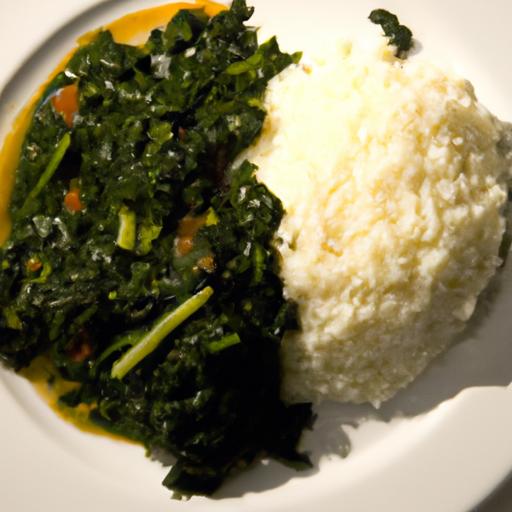

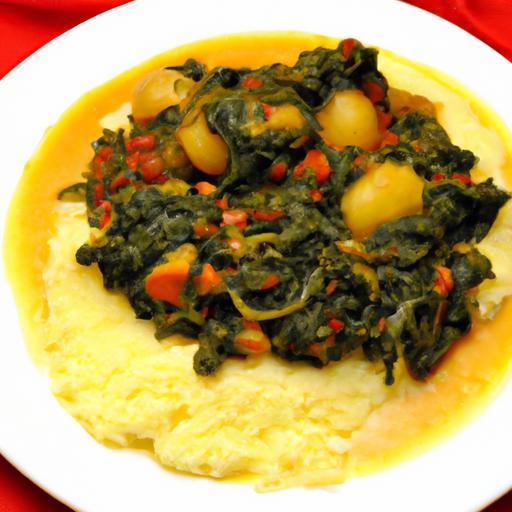
In the heart of East Africa’s vibrant kitchens,a humble duo reigns supreme-Kenyan Ugali and Sukuma Wiki. Thes staple dishes are more than just food; they are a flavorful celebration of culture, history, and community that has nourished generations. Ugali, a comforting maize-based porridge, and Sukuma Wiki, a hearty sauté of collard greens, come together on the plate to tell a story of resilience, tradition, and the simple joys found in everyday meals.Join us as we explore the rich heritage behind this iconic pairing, revealing the flavors and customs that make Kenyan Ugali and Sukuma wiki a timeless taste of home.
Kenyan Ugali & Sukuma Wiki is more than just a meal; it is a vibrant taste of tradition that echoes the rich history and culture of Kenya. rooted deeply in everyday life, this iconic pairing has long been the culinary soul of Kenyan households, marketplaces, and celebrations. From bustling Nairobi streets to serene rural homesteads, the simple yet hearty combination of ugali and sukuma wiki creates a comforting plate that nourishes both body and spirit.
Origins and Cultural meaning of Ugali and Sukuma Wiki in Kenyan Cuisine
Ugali, a dense porridge made from maize flour, is frequently enough called the “staple of the people.” It traces back centuries, embodying resilience and sustenance among diverse Kenyan communities. Maize was introduced during colonial times but swiftly became a beloved staple due to its affordability and filling nature. Paired with sukuma wiki, which translates to “push the week” and refers to the leafy greens (kale or collard greens), this duo reflects the ingenious Kenyan way of extending meals economically without sacrificing nutrition.
Traditionally, ugali is served as the centerpiece of numerous cultural gatherings, from family dinners to grand feasts. It’s enjoyed by hand, a tactile experience connecting eaters directly to their food, underscoring the warmth, community, and simplicity at the heart of Kenyan cuisine.
Mastering the Art of Cooking Perfect Ugali for Every Occasion
Achieving the perfect ugali is an art form-one that balances the right ratio of water to maize flour and precise stirring technique to yield a smooth,firm,and slightly elastic texture. When done correctly, it holds its shape on the plate, perfect for scooping up flavorful bites of sukuma wiki and stews.
Prep and Cook Time
- Preparation time: 5 minutes
- cooking time: 10-15 minutes
Yield
Serves 4 hearty portions
Difficulty Level
Easy
Ingredients
- 2 cups maize flour (white cornmeal)
- 3 cups water
- Pinch of salt (optional)
instructions
- Bring 3 cups of water to a rolling boil in a heavy-bottomed pot over medium heat.
- Gradually add 1 cup of maize flour to the boiling water while stirring continuously using a wooden spatula or spoon to prevent lumps.
- Reduce heat to low and keep stirring vigorously for about 5 minutes till the mixture thickens and starts to pull away from the sides of the pot.
- Add the remaining 1 cup of maize flour a little at a time, stirring well until the ugali forms a firm but smooth dough. It should not be sticky or runny.
- Using a spatula, press the ugali gently against the pot sides to shape it into a mound. Cover the pot and let it steam on low heat for 2-3 minutes.
- Turn off the heat and transfer the ugali onto a wooden or flat plate. Allow to cool for a minute before slicing into portions for serving.
Exploring Nutritional Benefits and Health Boosting Properties
Kenyan Ugali & Sukuma Wiki offers a wholesome and balanced meal rich in energy and essential nutrients. Ugali is a robust carbohydrate source, providing sustained fuel for daily activities. Paired with sukuma wiki, which is high in vitamins A, C, and K, and also iron and dietary fiber, this dish supports healthy digestion, immunity, and antioxidant defense.
| Nutrient | Amount (per serving) | Health Benefit |
|---|---|---|
| Calories | 300 kcal | Excellent energy source |
| Protein | 6 g | Essential for muscle repair |
| Carbohydrates | 60 g | Provides steady energy |
| Fiber | 5 g | Aids digestion |
| Vitamin A (from sukuma wiki) | 2500 IU | Promotes eye health |
Tips and Flavor Enhancements to Elevate Your Sukuma Wiki Experience
Elevate your sukuma wiki by sautéing it with minced garlic and red onions for a fragrant base. For added dimension, incorporate a splash of tomato paste or chopped fresh tomatoes to enrich the sauce and brighten flavors. A pinch of chili flakes or diced green chilies can introduce a delightful heat, balancing the earthy greens. For a protein boost, toss in some diced beef or kidney beans, turning the meal into a satisfying one-pot dish.
Prep and Cook time
- Preparation: 5 minutes
- Cooking: 10 minutes
Ingredients for Sukuma Wiki
- 1 bunch sukuma wiki (kale or collard greens), washed and sliced thinly
- 2 tbsp vegetable oil
- 1 medium red onion, finely sliced
- 3 cloves garlic, minced
- 1 medium ripe tomato, finely chopped or 2 tbsp tomato paste
- Salt and pepper to taste
- Optional: chili flakes or fresh chopped chili
Instructions for Sukuma Wiki
- Heat vegetable oil in a large skillet over medium heat. Add onion and sauté until translucent, about 4 minutes.
- Add the minced garlic and continue cooking for 1 minute, releasing aromatics.
- Stir in tomato or tomato paste and cook until slightly reduced, around 3 minutes.
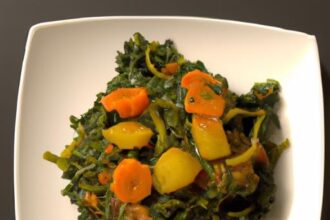
- Add the sliced sukuma wiki and stir well to coat the greens in the flavorful base. Sauté for 5-7 minutes until the greens are tender but still vibrant.
- Season with salt, pepper, and optional chili to taste. Remove from heat and serve immediately alongside ugali.
Chef’s Notes
- for creamier ugali, substitute part of the water with milk or coconut milk.
- If maize flour isn’t available, millet or sorghum flour can be excellent alternatives for ugali.
- Sukuma wiki is best enjoyed fresh but can easily be frozen after blanching for swift meals.
- Clean your sukuma wiki thoroughly to remove grit; a quick soak and multiple rinses are recommended.
- For a vegan protein punch, add sautéed lentils or roasted peanuts into the sukuma wiki.
Serving Suggestions
Kenyan Ugali & Sukuma Wiki pairs perfectly with a variety of Kenyan stews such as nyama choma (roasted meat) or mchicha (spinach stew). Garnish your plate with fresh coriander and a wedge of lime to add brightness.Serve alongside a refreshing drink like herbal tea or freshly squeezed passion fruit juice for an authentic taste experience.

For more traditional African dishes to complement your meal, check out our detailed guide on Kenyan Nyama Choma: The Perfect Grilled Meat Experience.
Q&A
Q&A: Kenyan ugali & sukuma Wiki – A Taste of Tradition
Q1: What exactly is Ugali, and why is it so important in Kenyan cuisine?
A1: Ugali is a simple, yet hearty staple made from maize flour (cornmeal) and water, cooked into a dense, porridge-like consistency. It forms the backbone of many Kenyan meals, acting as the perfect neutral canvas to soak up flavorful stews and vegetables. Beyond nutrition, Ugali embodies comfort and community, frequently enough bringing families together around the dinner plate, where stories are shared and bonds are strengthened.
Q2: Can you tell us about Sukuma Wiki and its role in Kenyan food culture?
A2: Sukuma wiki, which translates to “week-pusher” in Swahili, is a leafy green vegetable similar to collard greens or kale. It earned this affectionate name because it’s affordable, nutritious, and stretches meals to last through the week. Sukuma Wiki is usually sautéed with onions, tomatoes, and a touch of seasoning, offering a vibrant, earthy complement to the hearty Ugali. It’s a symbol of resilience and resourcefulness in kenyan households.
Q3: How is Ugali traditionally prepared and served?
A3: Preparing Ugali is an art in itself-a rhythmic, almost meditative process. Boiling water is poured into a pot, and maize flour is stirred in vigorously with a wooden stick or spoon until it thickens into a firm, dough-like consistency.traditionally, cooks shape it into a round mound and serve it hot. Ugali is often eaten by hand, torn into bite-sized pieces and used to scoop up Sukuma wiki or other delectable accompaniments.
Q4: What makes the pairing of Ugali and Sukuma Wiki so iconic in Kenya?
A4: The pairing is a perfect balance of textures and flavors. Ugali’s subtle blandness offsets the slightly bitter, savory notes of sukuma Wiki, creating a harmonious dance on the palate. This duo not only satisfies hunger but also honors Kenya’s agricultural heritage and the ingenuity of turning simple ingredients into fulfilling meals. Together,they offer a nostalgic taste of home and tradition.
Q5: Are there any cultural or communal aspects linked to Ugali and Sukuma Wiki?
A5: Absolutely! Sharing Ugali and Sukuma Wiki is often a communal experience, reflecting Kenya’s spirit of togetherness. Meals are typically eaten from a common plate,encouraging connection and conversation. The act of passing food hand-to-hand symbolizes generosity and kinship – a celebration of unity that transcends the meal itself.
Q6: How can someone outside Kenya experience authentic Ugali and Sukuma Wiki?
A6: While simple in ingredients,the authenticity lies in preparation and spirit. Many African markets worldwide stock maize flour and Sukuma Wiki or similar greens like collards. Cooking Ugali requires patience to achieve the right firmness, and sautéing Sukuma Wiki with fresh onions and tomatoes captures its true essence. For a fuller experience, try sharing the meal with friends or family, embracing the communal tradition that makes it truly special.
Q7: What is the nutritional value of Ugali and Sukuma Wiki?
A7: Ugali provides a rich source of carbohydrates, fueling energy and keeping hunger at bay. Sukuma Wiki complements this with vitamins A and C, iron, calcium, and dietary fiber. Together, they form a balanced plate that nourishes both body and soul-an edible testament to the wisdom of traditional diets.
Q8: Can Ugali and Sukuma Wiki be adapted for modern or international palates?
A8: Certainly! While Ugali’s simplicity is its charm, it can be paired with a variety of sauces, stews, or even proteins like grilled chicken or fish to suit diverse tastes. Sukuma Wiki’s sautéed greens approach aligns well with many international vegetable preparations, making it easily adaptable. The key is to preserve the essence of modest ingredients elevated through care and cultural respect.
Dive into the heart of Kenyan tradition with a plate of Ugali and Sukuma Wiki – where every bite tells a story, and every meal feels like coming home.
Concluding remarks
As the sun sets over the fertile fields of Kenya, the simple yet profound meal of Ugali and Sukuma Wiki continues to hold a cherished place at every table. More than just sustenance, this pairing tells a story of resilience, community, and cultural pride-a culinary bridge linking past to present. Whether you’re savoring its comforting texture or the vibrant greens that accompany it, Kenyan Ugali and Sukuma Wiki invite you to experience tradition one bite at a time, reminding us that food is not just nourishment for the body, but also for the soul.