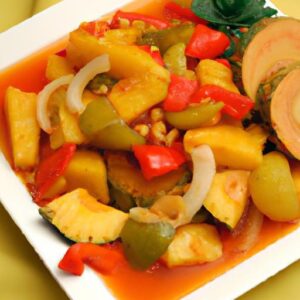


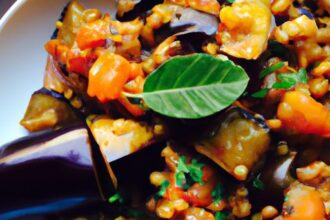

Au cœur de l’Afrique de l’Est, Uganda’s Sweet Potato occupe une place essentielle dans la vie quotidienne, révélant une richesse culturelle souvent méconnue. Bien plus qu’un simple tubercule, Uganda’s Sweet Potato symbolise tradition, résilience et créativité culinaire. Dans les villages, Uganda’s Sweet Potato accompagne les repas familiaux, tandis que dans les champs ensoleillés, Uganda’s Sweet Potato témoigne du lien profond entre la terre et les communautés. Chaque recette préparée avec Uganda’s Sweet Potato met en lumière un savoir-faire transmis de génération en génération. Transformée en purées, en plats vapeur ou en mets sucrés, Uganda’s Sweet Potato se réinvente constamment. La diversité des usages de Uganda’s Sweet Potato montre à quel point ce produit fait partie intégrante du patrimoine national. Explorer Uganda’s Sweet Potato, c’est découvrir une histoire gourmande, où chaque bouchée de Uganda’s Sweet Potato raconte un héritage vivant et savoureux.
Discovering Uganda’s Sweet Potato Delights: Exploring Traditional Flavors and Healthful Heritage
Découvrir Uganda’s Sweet Potato, c’est entreprendre un voyage culinaire au cœur d’un aliment profondément ancré dans l’identité du pays. À Kampala comme dans les campagnes, Uganda’s Sweet Potato illumine les tables familiales avec ses couleurs naturelles et ses saveurs authentiques. Mon premier contact avec Uganda’s Sweet Potato remonte à un marché animé où chaque version de Uganda’s Sweet Potato semblait porter une histoire unique. Que ce soit rôti, cuit à la vapeur, sauté ou accompagné de sauces locales, Uganda’s Sweet Potato révèle une palette gustative impressionnante. La popularité de Uganda’s Sweet Potato montre son rôle essentiel dans l’alimentation, mais aussi dans les traditions et les célébrations. Plus on découvre Uganda’s Sweet Potato, plus on réalise que Uganda’s Sweet Potato est un symbole de culture, de partage et de fierté nationale. Ainsi, savourer Uganda’s Sweet Potato, c’est embrasser une partie profonde et chaleureuse de l’âme ougandaise.
prep and Cook Time
Preparation: 15 minutes
Cooking: 40 minutes
total: 55 minutes
Yield
Serves 4 generous portions
Difficulty Level
Medium – approachable for excited home cooks eager to explore vibrant, cultural cuisine
Ingredients
- 4 large ugandan sweet potatoes, peeled and diced into 1-inch chunks
- 2 tbsp vegetable oil (preferably peanut or sunflower oil)
- 1 medium onion, finely chopped
- 2 cloves garlic, minced
- 1 tsp grated fresh ginger
- 1 medium green bell pepper, chopped
- 1 fresh tomato, chopped
- 1 tsp curry powder (mild to medium heat)
- 1/2 tsp smoked paprika
- 1/4 tsp ground black pepper
- Salt to taste
- 1 cup water or vegetable broth
- Fresh cilantro (coriander) leaves for garnish
- 1-2 tbsp ground peanuts (optional for authentic texture)
Instructions
- Prepare the sweet potatoes: Peel and cut the sweet potatoes into uniform 1-inch chunks to ensure even cooking.
- Heat the oil: In a large skillet or saucepan over medium heat, warm the vegetable oil until shimmering.
- Sauté aromatics: add the chopped onions, minced garlic, and grated ginger. cook, stirring often, until soft and fragrant, about 3-4 minutes.
- Add vegetables: Stir in the chopped green bell pepper and tomato. Cook for an additional 5 minutes, allowing the tomatoes to break down and the peppers to soften.
- Spice it up: Sprinkle in the curry powder, smoked paprika, black pepper, and salt. Stir well to coat the veggies and toast the spices-about 1 minute.
- Cook the sweet potatoes: Add the diced sweet potatoes and pour in 1 cup of water or vegetable broth.Mix gently to combine.
- Simmer: Cover the pot and reduce the heat to low. Let it simmer until the sweet potatoes are tender, approximately 25 minutes. Check occasionally and add a splash of water if needed to prevent sticking.
- Optional peanut step: Stir in the ground peanuts during the last 5 minutes of cooking for a subtle nutty richness reflecting traditional Ugandan flavors.
- final flourish: Taste and adjust seasoning. garnish with freshly chopped cilantro before serving.
Tips for Success
- Choosing sweet potatoes: Look for firm roots with smooth skin and shining orange flesh for the best texture and sweetness.
- Spice adjustments: Adapt the curry powder quantity to your heat preference and try adding a pinch of cayenne for an extra kick.
- Make ahead: this dish tastes wonderful reheated and can be prepared a day in advance. It deepens in flavor when rested.
- Substitutions: Use peanut butter instead of ground peanuts for a creamier finish, or coconut milk to create a luscious sauce variation.
Serving Suggestions
This hearty sweet potato stew pairs beautifully with steamed millet, matoke (steamed green bananas), or a simple side of Ugandan posho (maize meal). Garnish with chopped cilantro and a wedge of lime for refreshing contrast. A side of lightly sautéed greens-like sukuma wiki-adds a lovely textural balance and vibrant colour. For a contemporary twist, serve in a bowl with a dollop of Greek yogurt or a sprinkle of toasted cashews.

| Nutrient | Per Serving |
|---|---|
| Calories | 220 kcal |
| Protein | 4 g |
| Carbohydrates | 42 g |
| Fat | 5 g |
Beyond the delightful flavors and vibrant hues, sweet potatoes have long been cherished in Uganda for their health benefits. Rich in dietary fiber, vitamins A and C, and antioxidants, these tubers fortify the diet against malnutrition and support healthy vision and immune function. Sweet potatoes have also been a subtle economic backbone for rural communities, providing both nutrition and income through local markets.
For those eager to experience authentic Ugandan sweet potato cuisine beyond the kitchen, visit vibrant hubs like the owino Market in Kampala or local eateries such as Ethekwini Social club, where traditional dishes are served with modern flair. Exploring these spaces connects you to the rich cultural heritage that fuels the incredible diversity in ugandan food.
Explore more local flavors with our detailed guide on Discovering Uganda’s Fufu flavors, an essential companion to your culinary exploration.
Q&A
Q&A: Discovering Uganda’s Sweet Potato Delights: Tasty Traditions
Q: What makes sweet potatoes so special in Ugandan cuisine?
A: Sweet potatoes aren’t just a humble root crop in Uganda-they’re a cultural cornerstone. Beyond being a staple food, they’re celebrated for their versatility, nutritional value, and vibrant flavors embedded in traditional dishes that tell stories of the land and its people.
Q: How are sweet potatoes typically prepared in Uganda?
A: Ugandans prepare sweet potatoes in myriad ways-boiled, roasted, fried, or mashed.Frequently enough,they are paired with groundnut sauce or cooked with beans and greens. One cherished dish is kamalenge, where boiled sweet potatoes are enjoyed with spicy peanut or cassava sauces, showcasing a delightful blend of textures and tastes.
Q: Are there any sweet potato varieties unique to Uganda?
A: Yes! Uganda cultivates both orange-fleshed and white-fleshed sweet potatoes. the orange varieties are rich in beta-carotene and favored for their sweet,soft flesh,while the white-fleshed types tend to be starchier-each adding a distinct flavor profile to traditional recipes.
Q: How does sweet potato cultivation impact Ugandan communities?
A: Sweet potatoes sustain both nutrition and livelihoods. Small-scale farmers rely on this resilient crop for food security and income. The crop’s adaptability to various climates and soils makes it invaluable, enabling communities to thrive amid changing environmental conditions.
Q: Can visitors to Uganda experience sweet potato dishes firsthand?
A: Absolutely! From bustling markets to homestead kitchens, travelers can savor freshly baked sweet potato fries, spicy stews, and even sweet potato-based desserts. Culinary tours often highlight how this humble tuber is celebrated in Ugandan meals, inviting visitors to taste tradition in every bite.
Q: What role do sweet potatoes play during Ugandan festivals or ceremonies?
A: Sweet potatoes often feature in communal feasts and rituals, symbolizing abundance and unity. Sharing sweet potato dishes at gatherings strengthens social bonds and honors ancestral practices, keeping the spirit of Ugandan heritage alive through food.
Q: How can someone incorporate Ugandan sweet potato traditions into their own cooking?
A: Start simple-roast sweet potatoes until caramelized and serve with a spicy peanut dip. Experiment with mashing boiled sweet potatoes blended with sautéed greens and a hint of local spices.Embrace the Ugandan philosophy of celebrating natural flavors and communal dining, making each meal a joyful discovery.
Unlocking Uganda’s sweet potato delights isn’t just about tasting a root-it’s about embracing a vibrant tradition that feeds both body and soul. Whether in the fields or at the table, sweet potatoes connect generations with the rich tapestry of Ugandan life.
Closing remarks
As we peel back the layers of Uganda’s sweet potato traditions, it becomes clear that this humble tuber is much more than a staple-it’s a vibrant thread woven into the fabric of the nation’s culture and cuisine. From sizzling street snacks to hearty family meals,sweet potatoes carry stories of heritage,resilience,and flavor that continue to delight both locals and visitors alike.Whether mashed, fried, or baked, each bite offers a taste of Uganda’s rich agricultural bounty and innovative spirit. So next time you savor a sweet potato dish, remember you’re tasting a slice of Ugandan tradition-sweet, satisfying, and steeped in history.