In the bustling rhythm of modern kitchens, where time is as precious as taste, pressure cooking emerges as a culinary superhero-transforming ordinary ingredients into extraordinary meals in a fraction of the time. But behind the hiss of steam and the sealed lid lies a fascinating blend of art and science, a technique that not only speeds up cooking but unlocks deep, rich flavors that simmering alone can’t achieve. Join us as we delve into the world of pressure cooking, exploring how this age-old method harnesses physics and creativity to deliver fast, flavorful dishes that satisfy both the palate and the clock.
Unlocking Flavour Fast: The Art and Science of Pressure Cooking
Unlocking flavor fast with pressure cooking isn’t just about saving time-it’s a culinary revelation that transforms humble ingredients into deeply satisfying dishes bursting with complexity. From tender meats infused with aromatic herbs to vibrant vegetables that retain thier crunch and nutrients, pressure cooking is a game-changer in any kitchen. This technique harnesses science to intensify flavors,making every bite an experience worth savoring.
Prep and Cook Time
- Preparation: 15 minutes
- Cooking: 30 minutes (pressure time)
- Total Time: 45 minutes
Yield
- Serves 4 generous portions
difficulty Level
- Medium – perfect for home chefs ready to explore pressure cooking techniques
Ingredients
- 1.5 lbs bone-in chicken thighs, skin removed
- 1 cup chicken broth, low sodium
- 2 tbsp olive oil
- 1 medium onion, finely diced
- 4 cloves garlic, minced
- 2 large carrots, peeled and sliced
- 1 cup pearl barley, rinsed
- 1 tbsp fresh thyme leaves, chopped
- 1 tsp smoked paprika
- Salt and freshly ground black pepper, to taste
- Juice of ½ lemon
- Fresh parsley, chopped for garnish
Instructions
- Heat the olive oil in the pressure cooker’s sauté mode.Add the diced onion and sauté until translucent and golden, about 5 minutes, stirring occasionally to prevent sticking.
- Add the garlic and chicken thighs, seasoning with salt, pepper, and smoked paprika. Sear the chicken on all sides until light golden,approximately 3-4 minutes per side,locking in juices and building flavor.
- Remove the chicken temporarily.Add the rinsed pearl barley and carrots to the pot,stirring for 1-2 minutes to coat the barley with the flavorful fond at the bottom.
- Return the chicken to the pot. Pour in the chicken broth, add the fresh thyme leaves, and ensure the liquid covers the ingredients.
- Secure the pressure cooker lid and set it to high pressure for 30 minutes. This step is key to unlocking flavor fast by infusing the chicken and barley with rich, deep taste while tenderizing the meat to perfection.
- When the timer ends, allow a natural pressure release for 10 minutes before carefully releasing remaining pressure manually.
- Remove the chicken thighs and shred them using two forks.Stir the shredded chicken back into the barley and vegetables.
- Finish with a squeeze of fresh lemon juice to brighten the flavors and sprinkle fresh parsley on top before serving.
tips for Success
- Ingredient selection: Choose fresh, high-quality chicken thighs and seasonal vegetables for the most flavorful results.Using bone-in cuts adds depth through marrow extraction during cooking.
- Sautéing First: Don’t skip the sauté step-it develops the Maillard reaction, creating complex, savory notes essential to unlocking flavor fast.
- Pressure Timing: Adhere closely to pressure times. overcooking can cause barley to become mushy, while undercooking risks toughness. Adjust slightly if using boneless chicken or different grains.
- Make-Ahead: The dish tastes even better the next day as flavors meld. Store in an airtight container, reheat gently, and add a splash of broth if needed.
- Flavor Variations: Experiment with smoked paprika substitutes like chipotle for smoky heat, or swap thyme for rosemary for an earthy aroma.
Serving Suggestions
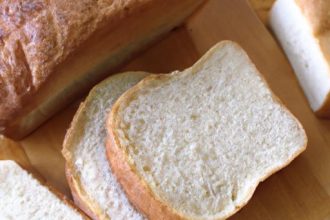
Serve this hearty dish in wide, shallow bowls to showcase its rustic charm. Pair with crusty artisan bread for dipping into the luscious broth. Garnish with a sprinkle of freshly chopped parsley and a few lemon wedges on the side for guests to customize brightness.
For a full meal, accompany with a crisp, vibrant green salad tossed in a light vinaigrette to contrast the rich savory notes. This balance of textures and flavors will make every bite memorable.

| Nutrient | Per Serving |
|---|---|
| Calories | 350 kcal |
| Protein | 32 g |
| Carbohydrates | 28 g |
| Fat | 10 g |
Understanding the science behind pressure cooking helps you master your pressure cooker and consistently unlock flavor fast in any dish. For further insights on heat and pressure’s impact on food chemistry, the ScienceDaily article on pressure cooking provides a fascinating overview.
Q&A
Q&A: Unlocking Flavor Fast – The art and Science of Pressure Cooking
Q1: What exactly is pressure cooking and how does it work?
A1: Pressure cooking is a culinary technique that uses steam pressure to cook food faster than conventional methods. By sealing food and liquid inside a tightly closed pot, the pressure builds as the liquid heats up, increasing the boiling point of water above 212°F (100°C). This higher temperature accelerates the cooking process, tenderizing ingredients quickly while locking in moisture and flavor.
Q2: Why does pressure cooking unlock flavors faster than other methods?
A2: The magic lies in high heat and steam working together under pressure. The elevated temperature allows tougher proteins and fibers to break down swiftly, releasing rich, deep flavors. Meanwhile, the enclosed environment traps aromatic compounds and moisture, preventing flavors from escaping. The result: dishes that taste like they’ve simmered for hours-in just a fraction of the time.
Q3: is pressure cooking only for stews and braises?
A3: Not at all! While pressure cookers shine with stews, soups, and braised meats, they’re surprisingly versatile.From risottos and beans to steamed vegetables and even cheesecake, the pressure cooker can handle it all. The key is mastering the timing and liquid ratios to ensure perfect texture and flavor every time.
Q4: How does pressure cooking affect nutritional value?
A4: pressure cooking often preserves nutrients better than prolonged boiling or frying becuase of shorter cooking times and less exposure to oxygen. Vitamins like C and B-complex, which can degrade with heat and time, stay more intact, making pressure-cooked meals both tasty and nutritious.
Q5: Is it difficult to use a pressure cooker safely?
A5: Modern pressure cookers are designed with multiple safety features-locking lids, pressure indicators, and release valves-that make them user-pleasant and safe. the key is to follow manufacturer instructions carefully, never overfill the pot, and ensure the sealing ring is intact. Once you get the hang of it, you’ll appreciate the speed and efficiency without worry.
Q6: Can pressure cooking enhance flavors in vegetarian or plant-based dishes?
A6: Absolutely! Beans, lentils, whole grains, and vegetables benefit hugely from pressure cooking. The swift,intense heat breaks down tough fibers,making plant ingredients tender and flavorful without losing their vibrant colors or textures. Plus, it’s a fantastic way to infuse spices and herbs deeply into plant-based creations.
Q7: Any tips for getting started with pressure cooking?
A7: Start simple. Try cooking staples like rice, beans, or a classic pot roast to familiarize yourself with timing and liquid requirements. Remember: less liquid than you might expect, as the sealed environment minimizes evaporation. and always allow natural pressure release for dishes that need gentle finishing, like meats, to retain juiciness.
Q8: How does pressure cooking fit into modern, busy lifestyles?
A8: Pressure cooking is a secret weapon for anyone short on time but craving big, home-cooked flavors. It turns long, labour-intensive dishes into quick weeknight meals without sacrificing depth or quality. With a little practice, it transforms your kitchen into a flavor factory-fast, efficient, and delicious.
Unlocking flavor fast isn’t just a culinary hack-it’s an art woven with science.Pressure cooking invites you to rethink time in the kitchen, proving that patience isn’t always required to create deeply satisfying, richly flavored meals.
In Summary
As the lid seals tight and the pressure builds, so too does the promise of flavor unleashed in record time. Pressure cooking is more than just a shortcut-it’s a harmonious blend of science and artistry, transforming humble ingredients into culinary masterpieces with remarkable efficiency. By understanding the principles behind this ancient yet modern technique, home cooks and seasoned chefs alike can unlock depths of taste and texture previously thoght to require hours. So next time you seek a meal that dazzles both palate and clock, remember: within that pressurized vessel lies a gateway to fast, flavorful magic-waiting for you to master the art and science of pressure cooking.