In the world of culinary techniques, few methods marry tradition and innovation quite like confit cooking.Originating from the sun-kissed kitchens of southwestern France, confit is more than just a way to prepare meat-it’s a celebration of patience, precision, and the alchemy that transforms simple ingredients into something sublime. Unlocking the secrets of confit reveals a captivating interplay between art and science, where slow-cooked perfection coaxed in fat or oil yields tender textures and deep, layered flavors. Join us as we delve into the timeless craft of confit, exploring its history, technique, and the flavorful magic that makes this method a treasured jewel in the chef’s repertoire.
Unlocking flavour through the art of confit cooking reveals a centuries-old technique that transforms humble ingredients into tender, savory masterpieces. Rooted in French culinary tradition, confit harnesses the magic of slow-cooking meat or vegetables submerged in fat, tenderizing them to melt-in-your-mouth perfection while infusing a rich depth of flavor impossible to achieve by other methods.
Prep and Cook Time
- Planning: 15 minutes
- Cooking: 2 to 4 hours (depending on ingredient and size)
- Total Time: Approximately 2.5 to 4.5 hours
Yield
- 4 servings
Difficulty Level
- Medium – Requires attention to temperature and timing, but ideal for adventurous home cooks
Choosing the Perfect Fat and Ingredients for Rich Flavor
The foundation of any confit lies in the fat-the silky, flavor-laden bath that gently cooks your ingredient. Customary duck fat is prized for its subtle aroma and velvety texture, perfect for poultry and game meats. However, pork fat (lard) offers an earthy warmth ideal for vegetables like carrots or garlic cloves, while olive oil lends a Mediterranean flair, best suited for fish or lighter proteins.
Opt for fresh, high-quality fat; homemade rendered fat elevates authenticity. Pair your fat with robust aromatics such as fresh thyme, garlic, bay leaves, and peppercorns.These infuse the fat, creating layers of savory complexity that cling to every morsel.
Mastering Temperature and Timing for tender Results
The secret behind confit’s renowned tenderness is precision. Cooking at low temperatures-typically between 190°F and 210°F (88°C-99°C)-ensures the meat stays moist, breaking down connective tissues slowly rather than rapidly shrinking and toughening fibers. Patience is key: lengthy cooking times ranging from 2 to 4 hours coax collagen into luscious gelatin, softening meats until they yield effortlessly to the fork.
Use a thermometer to maintain consistent heat, whether in an oven or a water bath. Resist the urge to crank up temperatures-high heat overrides confit’s transformative magic,leaving ingredients dry or burnt.
Creative Twists to Elevate Traditional confit Dishes
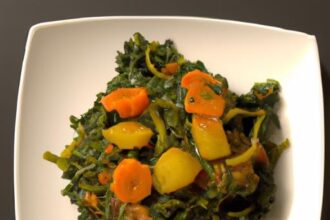
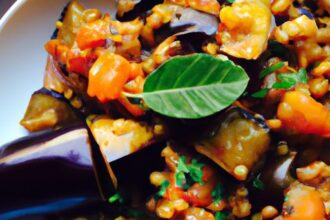
Confit is a versatile canvas inviting innovation. Experiment with smoked paprika, star anise, or citrus zest in your fat to introduce unexpected flavor notes. For a fresh take, try confiting root vegetables like beets or shallots, than roasting them lightly for caramelized edges and intensified sweetness.
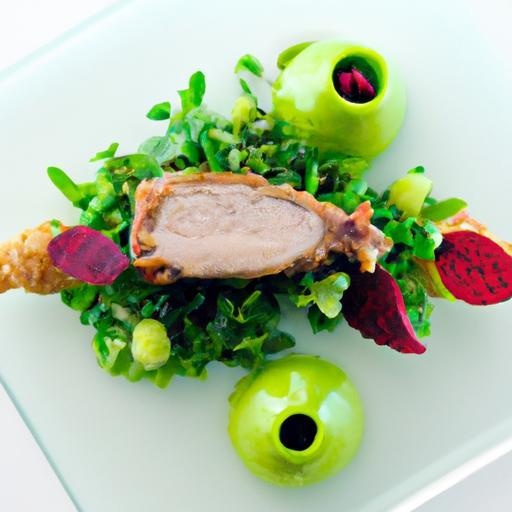
Elevate classic duck confit by finishing it under a broiler or in a hot skillet for a crisp, golden skin contrast to the tender interior. Alternatively, transform shredded confit meat into tacos, sandwiches, or atop a vibrant salad punctuated with tangy vinaigrette and crunchy nuts.
Ingredients
- 4 chicken legs (thigh and drumstick attached), skin on
- 3 cups duck fat (or substitute with pork fat or olive oil)
- 6 garlic cloves, smashed
- 4 fresh thyme sprigs
- 2 bay leaves
- 1 tsp whole black peppercorns
- 1 tbsp kosher salt
- Optional: zest of 1 lemon or 1 tsp smoked paprika for creative twist
Instructions
- Season the chicken legs liberally with kosher salt. For best results, refrigerate uncovered overnight to dry the skin and deepen flavor.
- Preheat oven to 200°F (93°C).
- In a deep, ovenproof dish or Dutch oven, arrange the chicken legs snugly. Add garlic, thyme, bay leaves, peppercorns, and any optional flavorings.
- Pour the duck fat over the chicken until fully submerged. If needed, gently heat the fat on the stovetop just to melt and pour easily.
- cover the dish tightly with a lid or foil. Place in oven and cook gently for about 3 hours, or until meat is extremely tender and pulls away from the bone.
- Remove from oven and let chicken cool in fat. This resting period solidifies flavors and helps keep it moist.
- For serving, carefully lift the legs from fat, pat dry, and sear skin-side down in a hot skillet 3-4 minutes to crisp.
- Serve immediately or refrigerate submerged in fat for up to a week.
Tips for Success
- Maintain steady low heat with an oven thermometer; fluctuations risk uneven cooking.
- Skimming the fat surface occasionally during cook time keeps the confit pure and clean-tasting.
- Use fresh herbs and aromatics to infuse the fat and intensify impact.
- Make-ahead: Confits improve with time. Store submerged in fat in an airtight container for up to 7 days or freeze for longer preservation.
- For a vegetarian take, try confiting pearl onions or baby carrots using olive oil and herbs.
Serving Suggestions
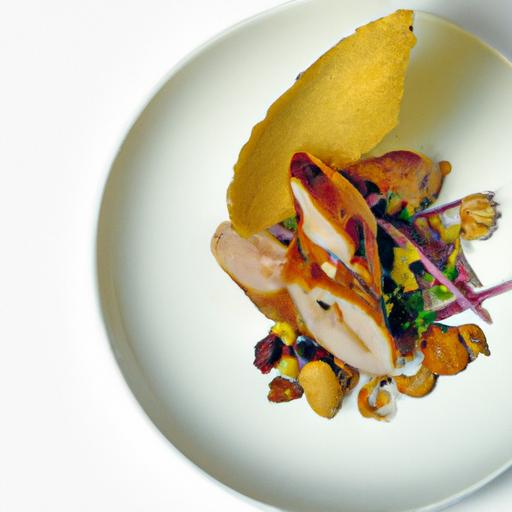
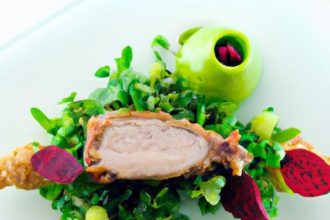
Present confit chicken atop creamy mashed potatoes or a bed of lightly sautéed greens for a rustic feel.Sprinkle with fresh thyme leaves and cracked black pepper for visual and flavor contrast. A sharp mustard vinaigrette or pickled vegetables alongside can brighten the richness beautifully. For a casual gathering, serve shredded confit in crisp baguette sandwiches with tangy slaw.

| Nutrient | Per Serving |
|---|---|
| Calories | 520 kcal |
| Protein | 38 g |
| Carbohydrates | 1 g |
| Fat | 42 g |
For further inspiration on traditional French techniques and modern twists, explore our detailed Dutch Oven Recipe Collection. To understand more about rendering high-quality fats and their culinary roles, Serious Eats offers an excellent expert guide.
Q&A
Q&A: Unlocking Flavor – The Art and Science of Confit Cooking
Q1: What exactly is confit cooking?
A1: Confit is an ancient French culinary technique where food-traditionally meat-is slow-cooked in its own fat at a low temperature for hours. This gentle process preserves the food while unlocking deep,luscious flavors and tender textures that are simply irresistible.
Q2: Why is confit considered both an art and a science?
A2: The art lies in the delicate balance of flavor enhancement and texture change-the magic of patience and subtle seasoning. The science involves understanding temperature control, fat chemistry, and food safety to ensure the dish is perfectly cooked and preserved.Q3: What types of ingredients are best suited for confit?
A3: Duck and goose legs are classics, prized for their rich, fatty meat, but confit isn’t limited to poultry. Pork belly, garlic, vegetables like tomatoes or onions, and even fruits can be transformed by confit, amplifying their natural flavors and extending shelf life.
Q4: How does cooking in fat differ from other slow-cooking methods?
A4: Unlike braising in liquid or roasting, confit involves submerging food in fat, which insulates and gently cooks without boiling. This fat seal locks moisture in, resulting in a tender texture and intensified taste while creating an airtight preservative barrier.
Q5: Can confit cooking be done at home safely?
A5: Absolutely! Mastering confit at home requires careful temperature control-typically around 82-90°C (180-195°F)-and hygiene to prevent harmful bacteria. With the right tools and patience,anyone can unlock this culinary treasure in their kitchen.
Q6: What are some creative ways to enjoy confit dishes?
A6: Confit meats can be crisped up in a hot skillet to develop a crunchy exterior or shredded into salads, pastas, or sandwiches. The preserved fat, rich with infused flavors, is a secret ingredient perfect for roasting vegetables or frying eggs.
Q7: How does confit enhance flavor compared to other preservation methods?
A7: Because the food slowly cooks in fat at low temperatures, its cellular structure softens without breaking down harshly, resulting in a melt-in-your-mouth texture and deep flavor infusion. Unlike smoking or curing, confit preserves the juiciness and richness in a unique way.
Q8: What cultural significance does confit hold in culinary history?
A8: Confit originated in rural France as a method for preserving meat before refrigeration. Beyond its practical roots, it became a beloved technique that highlights resourcefulness and celebrates indulgence-the perfect marriage of necessity and gastronomy.
Q9: Any tips for first-time confit cooks?
A9: Start with high-quality meat, maintain consistent low heat, and be patient-confit is a slow dance. Don’t skimp on seasoning; herbs and garlic add depth. store your confit properly submerged in fat in a cool place to savor your creation for weeks.
Q10: Why is confit experiencing a resurgence in modern kitchens?
A10: Today’s food enthusiasts crave authenticity and depth,and confit offers both-its combination of tradition,flavor complexity,and versatility fits perfectly with contemporary culinary creativity.It’s a flavorful celebration of heritage brought into the modern epicurean spotlight.
Closing Remarks
As the rich, tender morsels of confit melt effortlessly on the tongue, it becomes clear that this age-old technique is much more than just a method of preservation-it is a harmonious dance between patience and precision, tradition and innovation. unlocking the secrets of confit reveals a culinary alchemy where slow-cooked flavor deepens with each passing hour, transforming humble ingredients into exceptional experiences. Whether you’re a seasoned chef or an adventurous home cook, embracing the art and science of confit invites you to savor time itself, turning everyday meals into unforgettable feasts.So, gather your ingredients, ignite your curiosity, and embark on a delicious journey where flavor unfolds in its fullest, richest form-one tender bite at a time.