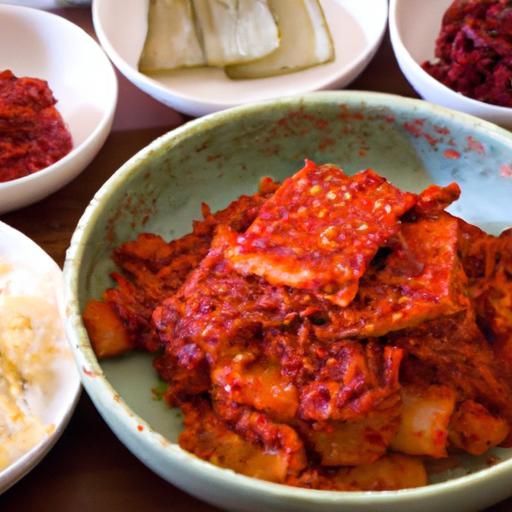


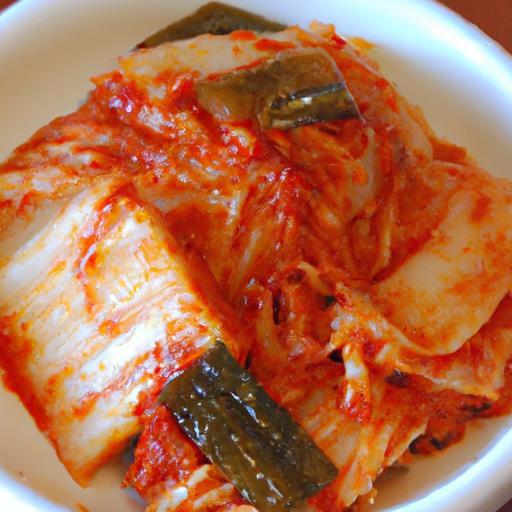
In the vibrant tapestry of Korean cuisine, few dishes capture the heart and palate quite like kimchi. This centuries-old fermented marvel is more than just a side dish-it’s a cultural emblem brimming with bold flavors, deep history, and remarkable health benefits. Unlocking the secrets of authentic Korean kimchi opens a world where spicy, tangy, and umami notes dance in perfect harmony. Whether you’re a seasoned fermenter or a curious culinary explorer, these customary recipes will guide you through the art of crafting kimchi that bursts with genuine flavor and character. Prepare to immerse yourself in a sensory journey that honors age-old techniques and invites you to taste the soul of Korea.
Unlocking Flavors: Authentic Korean Kimchi Recipes to Try unveils the timeless tradition and vibrant taste of Korea’s beloved fermented vegetable dish. Kimchi is more than just a side dish-it is indeed a symbol of heritage, resilience, and culinary ingenuity. Originating from Korea’s agrarian roots, its preservation techniques allowed families to enjoy nutritious vegetables through harsh winters. My first encounter with kimchi was at a bustling Seoul market where its pungent aroma and fiery spice awakened my senses, inspiring me to master its art and share these authentic recipes with you.
Prep and Cook time
- Planning Time: 30 minutes
- Fermentation Time: 3-7 days (depending on temperature and preferred tanginess)
- Total time: Approximately 1 week (including fermentation)
Yield
Serves 6 as a side dish or condiment
Difficulty Level
Medium – Requires precise fermentation and ingredient balance
Ingredients
- 1 large napa cabbage (about 2-3 pounds), halved and quartered
- 1/2 cup coarse sea salt for salting the cabbage
- 4 cups water
- 1 tablespoon grated ginger
- 5 cloves garlic, finely minced
- 1 medium Korean radish, julienned
- 4 green onions, chopped into 2-inch pieces
- 1/2 cup Korean red chili pepper flakes (gochugaru) – adjust for spice preference
- 2 tablespoons fish sauce (substitute with soy sauce for vegetarian option)
- 1 teaspoon sugar
- 2 tablespoons sweet rice flour (optional) mixed with 1/2 cup water to form a porridge (helps fermentation)
Instructions
- Salt the Cabbage: Dissolve coarse sea salt in 4 cups of water in a large bowl. Submerge the napa cabbage quarters fully for 1-2 hours, turning occasionally to ensure even salting. This step softens the cabbage and draws out excess moisture. Tip: Add extra water if necessary to cover cabbage fully.
- prepare the Rice Flour Porridge (optional): In a small pot, combine sweet rice flour and 1/2 cup water. Stir well and cook over medium heat until thickened,about 3-5 minutes. Allow to cool completely before mixing in the chili flakes.
- Rinse and Drain: Thoroughly rinse the salted cabbage under cold water 2-3 times to remove excess salt. Drain well and gently squeeze to remove excess water.
- Make the Kimchi Paste: In a large bowl, combine grated ginger, minced garlic, julienned radish, chopped green onions, gochugaru, fish sauce, sugar, and the cooled sweet rice porridge if using. Mix until a vibrant, thick paste forms. This mixture provides the signature spicy depth and umami flavor.
- Coat the Cabbage: Wearing disposable gloves to protect your hands, spread the chili paste evenly between each leaf of the cabbage quarters. Be generous and thorough to ensure every bite is flavorful.
- Pack and Ferment: Place the coated cabbage quarters tightly into a clean, airtight glass jar or kimchi container. Press down firmly to reduce air pockets.Leave some room at the top for expansion. Seal the container and let ferment at room temperature for 3-7 days, tasting daily for your preferred sourness and texture.
- Refrigerate and Store: Once the kimchi has reached your desired fermentation, store it in the refrigerator. It will continue to mature slowly and can be enjoyed for several weeks to months.
Tips for Success
- Temperature Control: Fermentation is best at 65-72°F (18-22°C). Warmer temps speed up fermentation and sourness; cooler temps slow it down.
- Customize Heat: Adjust gochugaru quantity to modify spice level without losing authenticity.
- Gluten & Vegetarian Option: Replace fish sauce with tamari or soy sauce to suit dietary needs.
- Make-Ahead: The kimchi paste can be prepared 1 day ahead and refrigerated to deepen flavor before combining with cabbage.
- Prevent Mold: Always use sterilized containers and ensure cabbage is fully submerged to avoid mold growth during fermentation.
Serving Suggestions
Kimchi shines as a zesty side at every Korean meal-especially with steaming rice, grilled meats, or noodle soups. Try garnishing with toasted sesame seeds and a drizzle of toasted sesame oil for visual appeal and nutty aroma.For a modern twist, fold kimchi into scrambled eggs, pancakes, or use it as a topping for burgers and tacos to elevate those everyday dishes.

Nutritional Information (per serving)
| Nutrient | Amount |
|---|---|
| Calories | 40 |
| Protein | 2g |
| Carbohydrates | 6g |
| Fat | 0.5g |
| Fiber | 2g |
For more vibrant Korean recipes, check out our Authentic Korean Bibimbap Recipe. For deeper insights into fermentation science, visit USDA Fermentation Science Resources.
Q&A
Q&A: Unlocking Flavors – Authentic Korean Kimchi Recipes to Try
Q1: What makes Korean kimchi so special compared to other fermented dishes?
A1: Kimchi is more than just fermented cabbage; it’s a vibrant symphony of flavors-spicy, tangy, umami-rich, and refreshingly crisp. Its uniqueness lies in the interplay of traditional Korean ingredients like gochugaru (red chili flakes), fermented shrimp, garlic, and ginger, combined with a meticulous fermentation process that transforms simple vegetables into a delightful powerhouse of probiotics and complex taste. Each batch tells a story steeped in Korean heritage and seasonal rhythms.
Q2: Can anyone make authentic kimchi at home, or is it too elaborate?
A2: Absolutely anyone can make authentic kimchi at home! While it might seem intimidating at first, the process is surprisingly approachable-with a little patience and the right ingredients, you’ll unlock flavors that rival those found in Korean households. Plus, making kimchi at home allows you to control the spice level and experiment with variations like radish kimchi or cucumber kimchi, tailoring the recipe to your personal palate.
Q3: What are the essential ingredients I need to create traditional kimchi?
A3: At its core, authentic kimchi requires napa cabbage, coarse sea salt (for salting and softening the cabbage), Korean red chili flakes (gochugaru), garlic, ginger, fish sauce or salted fermented shrimp for umami depth, green onions, and a touch of sugar to balance the heat. Some recipes also include julienned korean radish for added crunch.These ingredients work together to create kimchi’s beautifully balanced flavor profile.
Q4: How long shoudl I ferment kimchi, and how does fermentation time affect flavor?
A4: Fermentation is a magical journey. Typically, kimchi ferments at room temperature for 1 to 2 days to kickstart the process, then moves to the refrigerator where it develops deeper, tangier flavors over weeks or even months. Short fermentation yields a fresher, crunchier bite with mild tang, while longer fermentation produces a stronger sourness and softer texture. Personal preference dictates when your kimchi is “just right.”
Q5: are there regional variations of kimchi, and how do they differ?
A5: korea boasts a kaleidoscope of kimchi varieties that reflect its diverse regions and climates. Such as, Seoul-style kimchi frequently enough features a balanced spice level and crisp texture, while southern regions like Jeolla offer bolder, spicier versions with extra garlic and seafood. Some coastal areas emphasize fermented fish, imparting a pungent aroma. Exploring these regional spins is like taking a flavorful journey through the Korean peninsula without leaving your kitchen.Q6: How can I enjoy kimchi beyond the traditional side dish?
A6: Kimchi’s versatility is astounding! Beyond the classic banchan, it can star in hearty stews (kimchi jjigae), savory pancakes (kimchi jeon), fried rice, or even grilled cheese sandwiches with a spicy twist. Adding kimchi to noodles or fusion tacos turns everyday meals into flavor festivals. Its probiotic qualities also make it a nourishing ingredient for digestive health.
Q7: Any tips for beginners to ensure their first batch of kimchi is a success?
A7: certainly! Start with fresh, crisp napa cabbage and generously salt it to draw out excess moisture-this is crucial for texture. Don’t skimp on gochugaru to achieve the right heat and color. Mix your seasoning paste thoroughly and apply it evenly. Use airtight containers to ferment and avoid contamination. Lastly, taste as you go: kimchi is forgiving and can be tailored as flavors develop. Enjoy the process-it’s as rewarding as the final tangy bite!
In Retrospect
as you close the chapter on these authentic Korean kimchi recipes, remember that making kimchi is more than just a culinary task-it’s a flavorful journey steeped in tradition, culture, and communal spirit. Each crisp bite unlocks centuries of heritage, fermenting not only cabbage and spices but also stories and connections. Whether you’re a curious novice or a seasoned fermenter, these recipes invite you to experiment, personalize, and savor the bold, tangy essence of Korea’s beloved staple. So roll up your sleeves, embrace the transformative magic of fermentation, and let your kitchen become a gateway to unforgettable flavors waiting to be discovered.