
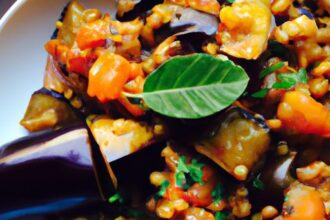
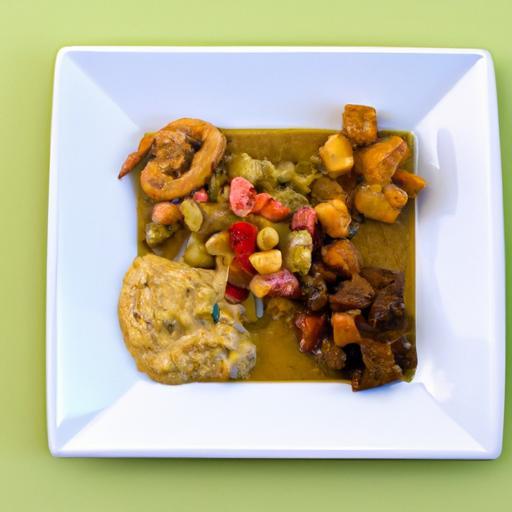
In the vibrant tapestry of African culinary traditions lies a hidden treasure-fermented foods that have nourished communities for centuries.Beyond their bold flavors adn unique textures, these time-honored delicacies hold remarkable health benefits rooted in natural fermentation processes.From the tangy kick of injera in Ethiopia to the probiotic richness of ogi in West Africa, fermented foods are unlocking new pathways to wellness.This article explores the science and heritage behind African fermented foods, revealing how they are not just meals on a plate but powerful allies in the pursuit of gut health, immunity, and overall vitality. join us on a flavorful journey into the world where culture and nutrition ferment together to unlock health like never before.
Unlocking health through the vibrant world of African fermented foods reveals a fascinating journey of flavor and wellness. These age-old culinary treasures, fermented naturally over time, are teeming with probiotics and bioactive compounds that nurture your gut health and amplify immunity. One beloved staple, ogi-a fermented cereal porridge from West Africa-beautifully showcases how tradition and nutrition blend effortlessly into a wholesome delight thatS easy to make at home.
Prep and Cook Time
Prep: 10 minutes | Fermentation: 2-3 days | Cook: 15 minutes
Yield
Makes 4 servings
Difficulty Level
Medium (best suited for beginners eager to explore fermentation)
Ingredients
- 2 cups white maize or millet grains, soaked
- 4 cups clean water (for blending)
- pinch of salt (optional, to taste)
- sugar or honey (to serve, optional)
- Whole milk or plant-based milk (optional, for creaminess)
Instructions
- Soak the grains: Rinse the white maize or millet thoroughly, then soak in a bowl with fresh water overnight (8-12 hours).
- Blend to a slurry: Drain the soaking water, then blend the grains with 4 cups of fresh water until smooth. Use a high-speed blender for a silky texture.
- Ferment the mixture: Pour the slurry into a clean glass or ceramic container. Cover loosely with a cloth and leave at room temperature for 2-3 days. You’ll notice a sour aroma developing-this is a sign that fermentation is underway, promoting beneficial probiotic growth.
- Sieve the fermented slurry: After fermentation, strain the mixture through a fine mesh sieve or cheesecloth.This separates the thick ogi batter from the watery residue.
- Cook the ogi porridge: Transfer the thick batter to a non-stick saucepan.Stir continuously over medium heat, adding water as needed until it thickens to a creamy porridge consistency (about 10-15 minutes). Tip: Stir regularly to avoid lumps and burning.
- season and serve: Add a pinch of salt to taste. Serve hot with a drizzle of honey or sugar and a splash of milk if desired.
Tips for Success
- Grain choice: Using millet yields a nuttier, earthier flavor, while maize produces a milder, smoother ogi.
- Cleanliness: Maintain a clean fermentation setup to encourage beneficial microbes and prevent spoilage.
- Fermentation time: Adjust room temperature and timing according to your taste preference for sourness; warmer climates speed up fermentation.
- Storage: Cooked ogi can be refrigerated for up to 3 days. Reheat gently on the stove with a little water to restore creaminess.
- Variation: Enhance your porridge with grated ginger or a touch of cinnamon for added warmth and digestive benefits.
Serving Suggestions
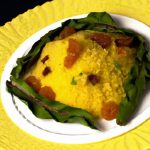
Serve this traditional ogi porridge as a comforting breakfast or light dinner. Garnish with fresh fruit slices like mango or banana for a naturally sweet contrast.pair with roasted peanuts or a handful of crunchy, spiced nuts for texture and balance. For a savory twist, accompany with sautéed greens or a side of spicy tomato relish.
| Nutrient | Per Serving |
|---|---|
| Calories | 150 |
| Protein | 4g |
| carbohydrates | 33g |
| Fat | 1g |

Unlocking health by embracing African fermented foods like ogi brings vitality to your gut and strengthens your body’s natural defenses. For those curious to dive deeper into fermentation techniques, explore our guide to homemade fermented foods. To understand the science behind fermentation’s impact on gut health, visit the National Institutes of Health.
Q&A
Unlocking Health: The Power of African fermented Foods - Q&A
Q1: What makes African fermented foods so special in the realm of health and nutrition?
A1: African fermented foods are culinary treasures bursting with probiotics, enzymes, and rich nutrients. These ancient foods harness the power of natural fermentation, transforming simple ingredients into vibrant, health-boosting delicacies. Beyond flavor, they promote gut health, enhance digestion, and strengthen immunity-unlocking a world of wellness in every bite.Q2: Which traditional African fermented foods should people be exploring?
A2: The continent offers a diverse array of fermented marvels. Some highlights include ogi (a fermented cereal porridge from West Africa), injera (the sourdough flatbread staple of Ethiopia), fermented locust beans (known as iru or ogiri), and amasi (a fermented milk product popular in Southern Africa). Each carries unique probiotic profiles and cultural stories.
Q3: How does fermentation enhance the nutritional value of these foods?
A3: Fermentation breaks down complex compounds, making nutrients more bioavailable.It increases levels of B vitamins, antioxidants, and beneficial enzymes, while reducing anti-nutrients such as phytates-compounds that can hinder mineral absorption. This natural process turns humble grains, legumes, and milk into nutritional powerhouses.
Q4: Can incorporating fermented African foods into modern diets improve gut health?
A4: Absolutely! These foods introduce beneficial bacteria that balance the gut microbiome, improving digestion and nutrient absorption. A well-balanced gut flora also supports mental health, boosts immunity, and may reduce inflammation. Regularly enjoying African fermented foods can be a tasty step toward holistic wellness.
Q5: are there simple ways for people worldwide to enjoy African fermented foods at home?
A5: Yes! Many fermented African staples can be made or sourced with ease.For example, ogi can be prepared by fermenting corn or millet flour overnight, while injera can be crafted at home with teff flour and a starter culture. Alternatively, markets and specialty stores frequently enough carry these items. Experimenting with these foods can be a fun and rewarding culinary adventure.
Q6: What role do African fermented foods play in cultural traditions and community health?
A6: Fermented foods are more than nutrition-they’re woven into celebrations, rituals, and daily life. They represent ancient knowledge passed down generations,fostering community bonding and resilience. Their health benefits have supported populations through centuries, illustrating a stunning synergy of culture and wellness.
Q7: how can modern science and traditional fermentation partner to unlock future health potentials?
A7: the fusion of scientific research with indigenous wisdom is a promising frontier. By decoding the specific strains of microbes in African fermented foods, we can develop targeted probiotics and functional foods. This synergy could lead to innovative treatments for digestive disorders, enhanced immune support, and personalized nutrition strategies-celebrating tradition while embracing technology.
Q8: In a world focused on superfoods, why should African fermented foods get more attention?
A8: African fermented foods aren’t just trendy-they’re time-tested powerhouses of nutrition and health.Their rich microbial diversity and cultural significance offer unique benefits often overlooked in mainstream superfood narratives.Embracing them broadens our dietary horizons and connects us with ancient wisdom that nourishes both body and soul.
Unlock your health potential by inviting the vibrant, fermented flavors of Africa to your table-where tradition meets transformation, one delicious bite at a time.
Final Thoughts
As we journey through the rich tapestry of African fermented foods, it becomes clear that these age-old culinary treasures are more than just flavors on a plate-they are living embodiments of culture, science, and health intertwined. By unlocking the power of these traditional foods, we open the door to enhanced gut health, fortified immunity, and a deeper connection to ancestral wisdom. Embracing African fermented foods is not merely a nod to the past but a vibrant step towards nourishing our future. So, whether you’re savoring a tangy injera or a spoonful of fermented sorghum porridge, remember: you’re partaking in a powerful, time-honored tradition that continues to sustain and enrich communities across generations. The true health secret might just be fermenting right in front of us.