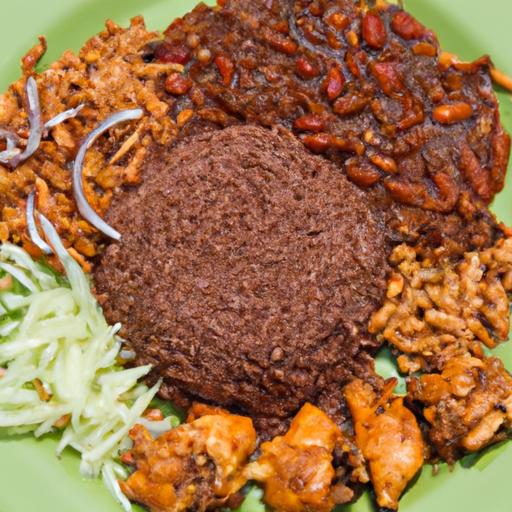
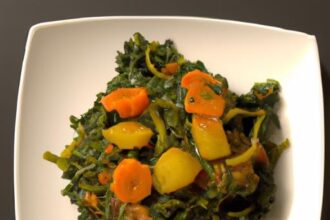
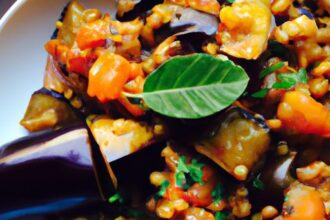
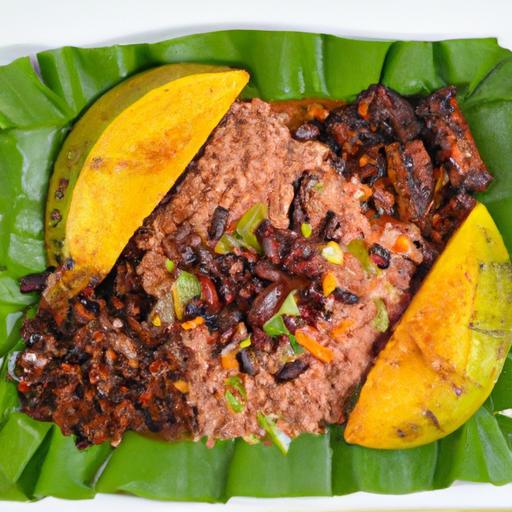
In the bustling streets of Ghana, where the aroma of spices mingles with the lively hum of daily life, one dish reigns supreme: Waakye. More than just a meal, Waakye is a vibrant tapestry of culture, history, and flavor-a beloved comfort that brings communities together with every savory bite. This iconic combination of rice and beans, frequently enough accompanied by an array of colorful sides, tells a story of tradition, ingenuity, and party. Join us as we dive into the world of Waakye Wonders, uncovering the roots, recipes, and reasons why this humble dish has captured the hearts and taste buds of an entire nation.
Waakye Wonders is more than just a beloved Ghanaian dish-it’s a vibrant culinary journey that embodies the rich heritage, spirit, and flavors of Ghanaian cuisine. Originating from the northern regions of Ghana and widely embraced nationwide, waakye combines a humble yet powerful pairing of rice and beans that has nourished families and fueled communities for generations.
This iconic dish is steeped in cultural meaning, traditionally served at dawn by street vendors known as “waakye sellers,” who skillfully prepare it daily over wood fires.Its roots are a testament to Ghana’s agricultural bounty and resourcefulness, with rice and black-eyed peas or cowpeas simmered with dried millet leaves to create the dish’s signature earthy hue and subtle tannin-infused aroma.
Prep and cook Time
- Preparation: 15 minutes
- Cook Time: 1 hour 15 minutes
- Total Time: 1 hour 30 minutes
Yield
Serves 6 generous portions
difficulty Level
Medium
Ingredients
- 2 cups dried black-eyed peas or cowpeas,soaked overnight and rinsed
- 2 cups long-grain white rice,rinsed
- 6-8 dried millet leaves (waakye leaves),tied into a bundle (optional but authentic)
- 6 cups water
- 1 teaspoon baking soda (to soften beans)
- 1 teaspoon salt (adjust to taste)
- 2 tablespoons vegetable oil
- 1 onion,finely sliced (for garnish)
Instructions
- Prepare the beans: drain the soaked beans and place them in a large pot. Add water, baking soda, and half the onion slices. Bring to a boil, reduce heat, and simmer for 45 minutes or until beans are tender but not mushy.
- Add millet leaves and rice: Once beans are tender, add the millet leaf bundle and rinsed rice directly into the pot with beans and cooking water. Add salt and stir gently to combine.
- Cook rice and beans together: Cover the pot and cook on low heat for another 20-30 minutes until the rice is fully cooked and water is absorbed. Check occasionally to ensure it doesn’t stick; add a bit of water if necessary.
- Finish: Remove millet leaves and discard. Fluff the waakye with a fork and drizzle with vegetable oil to enhance shine and richness. Garnish with remaining fresh sliced onions.
Chef’s Notes
- Waakye leaves provide a distinct earthy note and iconic reddish-brown color. If unavailable, you can substitute with dried sorghum leaves or a pinch of tea leaves for tannins, but the flavor will differ.
- To save time, canned beans can be used; reduce initial simmering time accordingly.
- Use a heavy-bottomed pot to avoid scorching, and stir gently when adding rice to keep beans intact.
- For extra zest, serve with homemade shito sauce or fresh sliced avocados.
- Leftover waakye can be refrigerated and reheated gently with a splash of water or broth.
Serving Suggestions
The perfect waakye experience is incomplete without its conventional accompaniments. Serve warm waakye with spicy shito pepper sauce, rich fried salted fish, creamy boiled eggs, and refreshing gari (toasted cassava granules). For freshness, add ripe sliced avocado or a scoop of lightly dressed cabbage salad.
Present waakye piled high on a deep plate or banana leaf for authenticity. Garnish with a wedge of lime and a sprinkling of diced red onions for a pop of color and tanginess that cuts through the richness beautifully. Each bite melds earthy rice and beans with spicy, savory, and slightly nutty tones-a celebration of bold contrasts and comfort.
Where to Find authentic Waakye Spots and Insider Tips for First-Time Eaters
For the freshest waakye experience, visit the bustling street food stalls in Accra, Kumasi, or Tamale, especially in the early morning hours when waakye sellers actively prepare the day’s batch over traditional coal fires.Locals reccommend markets like Makola Market in Accra for authentic waakye with all the fixings.
First-time waakye eaters should come ready to savor layers of texture and flavor,pairing the rice and beans with varied sides to build their personalized plate. Don’t hesitate to ask vendors for tips on the best combinations and spice levels-waakye is as much about community and conversation as it is about food.
flavor Profiles and Must-Try Accompaniments for the Perfect Waakye Experience
The multi-dimensional flavor profile of waakye includes subtle tannins from millet leaves,nutty undertones from perfectly cooked beans,and aromatic richness from sautéed onions and shito. The dish delivers a balance of soft and chewy textures from rice and beans, elevated by spicy, salty, and tangy notes from its side accompaniments.
| Nutrient | Per Serving (approx.) |
|---|---|
| Calories | 420 kcal |
| Protein | 15 g |
| Carbohydrates | 70 g |
| Fat | 6 g |

For more inspiring ghanaian recipes like this,check out our article on Garnished Jollof Rice Delights. To deepen your understanding of African culinary traditions, visit SBS Food’s culture feature on waakye.
Q&A
Q&A: Waakye Wonders – Discover Ghana’s Beloved Rice and Beans
Q1: What exactly is Waakye?
A1: Waakye is Ghana’s iconic comfort food-an irresistible dish of rice and beans cooked together, frequently enough tinged with the deep, earthy hues of dried millet leaves. It’s more than just a meal; it’s a culinary tradition that brings communities together every morning across the country.
Q2: Why is Waakye so special in Ghanaian culture?
A2: Waakye isn’t just nourishment-it’s a symbol of unity and everyday celebration. Found in bustling street stalls and family kitchens alike, this dish transcends social classes and regional divides. It’s a flavorful snapshot of Ghana’s culinary heritage that many Ghanaians cherish from childhood.
Q3: What makes the preparation of Waakye unique?
A3: The magic lies in the simmering of rice and black-eyed beans together with dried millet leaves, which give Waakye its distinctive reddish-brown color and subtle smoky flavor. This natural dye isn’t just for show-it infuses the dish with earthy depth that sets it apart from other rice-and-bean combos.
Q4: Beyond rice and beans, what accompaniments complete the waakye experience?
A4: waakye is a versatile canvas! It’s typically served with a rich tapestry of sides like spicy shito pepper sauce, creamy boiled eggs, crunchy fried plantains, tender spaghetti, and savory stewed meats or fish. These elements layer a symphony of textures and flavors that keep eaters coming back for more.
Q5: How does Waakye reflect Ghana’s diverse flavors and traditions?
A5: Waakye embodies the fusion of simplicity and complexity, much like Ghana’s cultural mosaic. From the coastal towns to the northern villages, different regions add their own twist-be it in spice levels, types of beans, or side dishes-making each Waakye experience a flavorful journey through Ghana’s rich culinary landscape.
Q6: Can Waakye be enjoyed beyond Ghana?
A6: Absolutely! Ghanaian diaspora communities have spread the joy of Waakye worldwide, introducing international food lovers to its hearty goodness. While the authentic taste relies on traditional ingredients like millet leaves,innovative cooks have found creative ways to replicate the flavors,ensuring Waakye’s wonders continue to delight palates everywhere.
Q7: What’s the best time to enjoy Waakye?
A7: while Waakye is traditionally a breakfast staple, beloved vendors serve it throughout the day. Whether it’s a rapid morning pick-me-up or a comforting lunch, Waakye’s warm, satisfying embrace fits any mealtime like a well-worn favorite song.
Q8: Why should food adventurers add Waakye to their must-try list?
A8: Waakye is a gateway to understanding Ghana’s soul through its food-a harmonious blend of flavors, colors, and stories simmered into one bowl. For anyone curious about west African cuisine, Waakye offers a deliciously authentic experience that’s both grounded in tradition and full of communal spirit.
With Waakye’s rich flavor and cultural significance, every bite is a celebration of Ghana’s heritage-a true wonder waiting to be discovered!
future Outlook
From the bustling streets of Accra to the cozy corners of Ghanaian homes, waakye stands as more than just a meal-it is a vibrant tapestry of history, culture, and community woven together in every steaming plate of rice and beans. This beloved dish invites food lovers to savor not only its rich flavors but also the stories and traditions simmering beneath the surface. Whether enjoyed with spicy shito, tender meats, or a simple boiled egg, waakye is a flavorful reminder that sometimes, the simplest ingredients create the most unforgettable culinary wonders. So next time you crave a taste of Ghana, let waakye be your flavorful guide into a world where every bite tells a story.