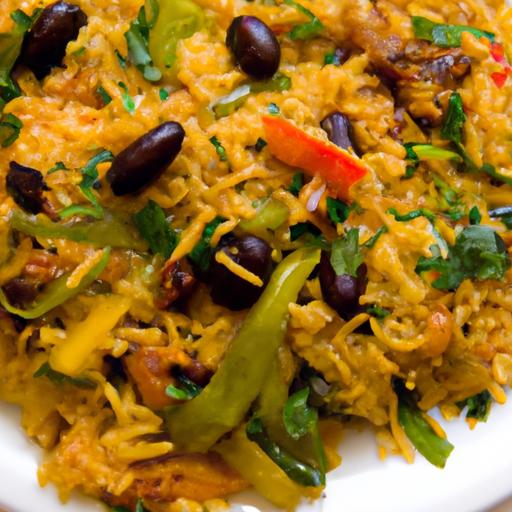

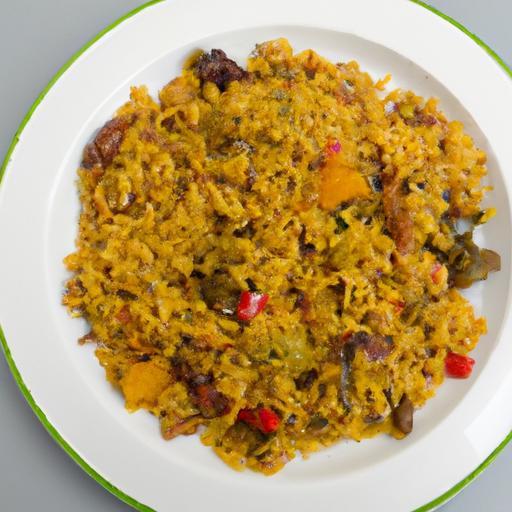
Nestled within the vibrant tapestry of African cuisine, West African rice carries centuries of flavor, heritage, and community. Far beyond being just a grain, West African rice is the essence of celebration, family, and tradition. From the lively gatherings around Jollof to the comforting bowls of Waakye, West African rice has always been a dish that connects people and cultures. Each spoonful of West African rice tells a story passed down through generations, a story of resilience and joy.
To savor West African rice is to embrace history and taste in one harmonious bite. In kitchens across the region, West African rice becomes a symbol of unity, where spices, vegetables, and proteins merge into unforgettable meals. Whether enjoyed during festivals or as an everyday comfort, West African rice elevates humble ingredients into bold masterpieces. The art of cooking West African rice lies not only in the seasoning but also in the care, patience, and love poured into each dish.
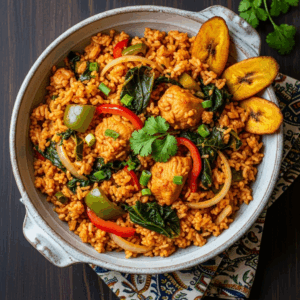
From smoky Jollof rice to the fragrant richness of benachin, West African rice represents diversity at its best. The magic of West African rice is its versatility, making it a canvas for countless flavors while staying true to its roots. Sharing West African rice means sharing culture, and every table where West African rice is served becomes a place of warmth and togetherness.
For those who grew up with it, the scent of West African rice simmering in the pot is the fragrance of home. For newcomers, discovering West African rice is like opening a window to an entire world of tradition. Whether seasoned with tomatoes, onions, or aromatic spices, West African rice shines as a timeless treasure. As you savor West African rice, you savor more than food—you embrace community, culture, and an eternal bond with the past and present.
In conclusion, West African rice is more than a recipe; it is a legacy. To taste West African rice is to taste centuries of artistry woven into every grain. Every plate of West African rice celebrates identity, resilience, and the joy of sharing meals. Across borders and generations, West African rice continues to inspire, nourish, and connect us all. Truly, West African rice is timeless.
Savor West African Rice: Prep and Cook Time
- Prep Time: 20 minutes
- Cook Time: 45 minutes
- total Time: 1 hour 5 minutes
Yield
Serves 4 to 6 generously, perfect for sharing around the table.
Difficulty Level
Medium – perfect for home cooks ready to explore fragrant spices and authentic cooking techniques.
Essential Ingredients for Authentic West African Rice
- 2 cups long-grain parboiled rice, rinsed until water runs clear
- 3 tablespoons palm oil (or vegetable oil for a lighter taste)
- 1 large onion, finely chopped
- 3 cloves garlic, minced
- 1-inch fresh ginger, grated
- 2 large tomatoes, blended into a smooth purée
- 1 red bell pepper, roasted and pureed
- 2 teaspoons smoked paprika
- 1 teaspoon dried thyme
- 1 Scotch bonnet pepper, left whole or chopped (optional, for heat)
- 3 cups chicken or vegetable broth
- 1 cup mixed vegetables (peas, carrots, corn)
- Salt and black pepper, to taste
- fresh cilantro or parsley, for garnish
Step-by-Step Instructions to Savor West African Rice
- prepare the Base: Heat the palm oil in a large heavy-bottomed pot over medium heat. Add the chopped onions and sauté until translucent, about 5 minutes, stirring frequently to avoid browning.
- Add Aromatics: Stir in the minced garlic and grated ginger, cooking for another 2 minutes until fragrant.
- Blend and simmer: Pour in the blended tomato and roasted red bell pepper purée. Cook for 10 minutes, stirring periodically, until the mixture thickens and the oil begins to separate from the sauce, indicating a rich, developed base.
- Spice It Up: Add smoked paprika, dried thyme, and the whole Scotch bonnet pepper. Stir well and cook for 2 minutes, allowing the spices to bloom.
- Incorporate the Rice: Rinse the rice thoroughly beforehand; this prevents clumping. Add the rice to the pot and gently stir to coat each grain with the sauce, ensuring an even flavor distribution.
- Add Broth and vegetables: Pour in the broth and add the mixed vegetables. Season with salt and black pepper to taste. Bring to a boil, then reduce heat to low, cover with a tight-fitting lid, and simmer for 25-30 minutes.
- Finishing Touches: Check the rice for doneness and fluff with a fork. Remove the Scotch bonnet pepper to control heat intensity unless you prefer a fiery kick.
- Garnish and Serve: Sprinkle fresh cilantro or parsley over the top to add a pop of color and freshness before serving.
Tips for success & Chef’s Notes
- Rice Selection: Use parboiled long-grain rice to achieve fluffy yet separated grains characteristic of authentic West African rice dishes.
- Adjusting Heat: The Scotch bonnet pepper packs heat-remove before serving if cooking for children or spice-averse guests.
- Make Ahead: This dish tastes even better the next day as flavors meld. Store refrigerated and gently reheat with a splash of broth to retain moisture.
- Vegetarian Variation: Substitute chicken broth with vegetable broth and add plant-based protein like fried tofu or tempeh for a hearty twist.
- oil Alternatives: palm oil is central for authentic flavor and color; however, red palm oil offers a distinct deep hue and health benefits noted by [World’s Healthiest Foods](https://www.whfoods.com/genpage.php?tname=foodspice&dbid=119).
Serving Suggestions
This vibrant rice pairs beautifully with succulent grilled meats such as spiced chicken or beef suya,a dry-rubbed and charred delicacy from Nigeria. Complement the meal with traditional sides like dodo (fried plantains), a crisp garden salad, or steamed greens seasoned simply with garlic and chili flakes. For beverages,the refreshing strawberry ginger drink or chilled hibiscus tea (known as zobo or bissap) offers the perfect balance to the rich,spicy flavors on your plate.

| Nutrient | Per Serving |
|---|---|
| Calories | 410 kcal |
| Protein | 8 g |
| Carbohydrates | 70 g |
| Fat | 9 g |
For further inspiration on traditional west African cuisine,explore our collection of hearty stews. Embark on your own culinary adventure and truly savor West african rice and its timeless flavors by immersing yourself in the authentic tastes passed down through generations.
Q&A
Q&A: Savor West African Rice – Timeless Recipes and Flavors
Q1: What makes West African rice dishes unique compared to other rice cuisines around the world?
A1: West African rice dishes burst with vibrant flavors that come from a rich tapestry of spices, herbs, and ingredients native to the region. Unlike plain steamed rice, these dishes frequently enough combine bold seasonings like smoked paprika, scotch bonnet peppers, and fragrant thyme, creating mouthwatering layers of taste. The use of local vegetables, proteins like goat or dried fish, and cooking techniques passed down through generations also give west African rice a soulful depth that’s both hearty and comforting.
Q2: Can you name some iconic West African rice recipes that every foodie should try?
A2: Absolutely! Some of the crown jewels include Jollof Rice, a smoky, tomato-rich one-pot wonder often considered the region’s signature dish; Waakye, a Ghanaian favorite featuring rice cooked with beans and served with spicy sides; and Thieboudienne from Senegal, a savory mix of rice, fish, and vegetables simmered in a flavorful tomato broth.Each dish offers a unique story and taste profile reflective of its cultural heritage.
Q3: How do spices and local ingredients shape the flavor of West African rice?
A3: Spices and fresh local ingredients are the heart and soul of West African rice. Ingredients such as onions, garlic, ginger, and chili peppers create a fiery base, while complex blends like curry powder, nutmeg, and cloves add warmth and intrigue.Palm oil or groundnut oil contributes a rich, earthy undertone. Together, these elements not only flavor the rice but also enhance the textures, making every bite a celebration of West Africa’s diverse ecosystems and culinary traditions.
Q4: Are these rice recipes adaptable for home cooks new to West African cuisine?
A4: Definitely! While some traditional recipes call for specific ingredients, many can be adapted to your pantry staples or local substitutes without sacrificing flavor. Starting with a simple Jollof Rice is a great way to dive in – it uses basic ingredients like tomatoes, onions, and peppers but delivers an unforgettable taste. experimenting with spices and adding proteins or vegetables according to your preference lets you create a personalized, authentic West African rice experience in your own kitchen.
Q5: Why is rice so culturally important in West africa?
A5: Rice holds a special place not just on the dinner table but also in celebrations, traditions, and community bonding throughout West Africa. It’s often associated with hospitality and abundance, served during festivals, weddings, and communal gatherings.The cultivation and preparation of rice intertwine with stories of heritage and survival,making each dish a connection to the past and a symbol of shared identity across diverse ethnic groups.
Q6: What tips can enhance the authenticity and flavor when cooking West African rice dishes?
A6: To capture the essence of West African rice, start by embracing the boldness of the spices and don’t shy away from layering flavors. Use fresh tomatoes or quality canned tomatoes for the base sauces, and toast your spices to release their aroma before cooking. Incorporating smoked ingredients like smoked fish or shrimp can add that signature depth. Lastly, patience is key – slow simmering allows the rice to soak up all the vibrant flavors, resulting in a truly soulful dish.
With these answers, you’re ready to embark on a delicious journey through West African rice traditions-where every grain tells a story of culture, flavor, and timeless culinary artistry.
In Retrospect
As the rich aromas of jollof rice and the comforting textures of waakye linger in our minds, it becomes clear that West African rice dishes are more than just food-they are vibrant stories woven through generations. Each grain tells a tale of culture, community, and creativity, inviting us to savor not only the flavors but also the heritage they carry. Whether you’re a seasoned cook or a curious foodie, embracing these timeless recipes offers a delicious gateway to the heart of West Africa. So, gather your ingredients, ignite your passion, and let the soulful symphony of West African rice transform your table into a celebration of tradition and taste.