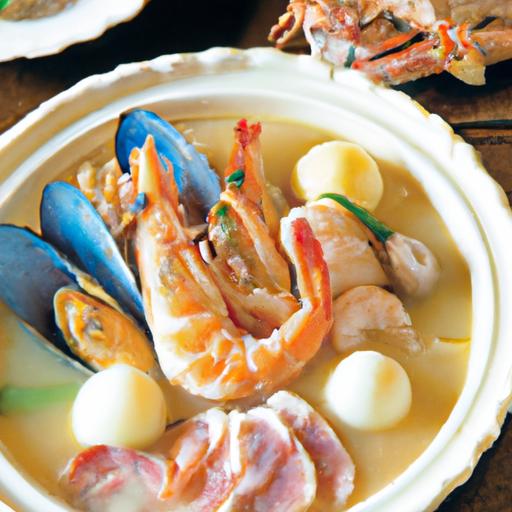



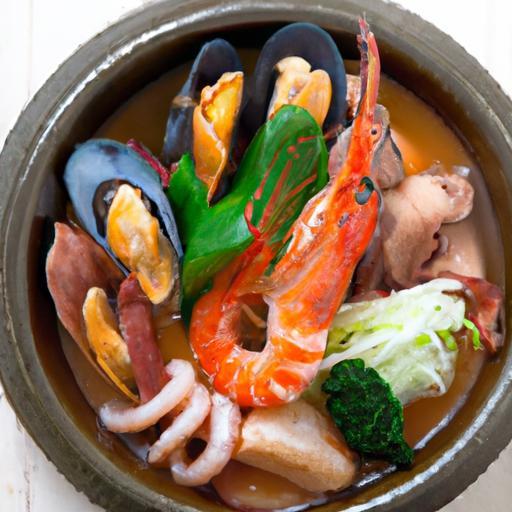
In the heart of Japan’s culinary landscape lies a simmering tradition that brings families and friends together around a bubbling pot of savory warmth-Yosenabe. more then just a meal, this mixed seafood hot pot is a party of the ocean’s bounty, artfully combined with fresh vegetables, tofu, and fragrant broths that tell stories of coastal heritage and seasonal abundance. As steam rises and flavors meld, Yosenabe invites diners to explore not only a dish but a ritual of communal comfort and cultural richness. Join us as we dive into the depths of yosenabe delight, uncovering the history, ingredients, and unique charm behind Japan’s beloved mixed seafood hot pot tradition.
Yosenabe Delight is a cherished Japanese hot pot tradition that brings friends and family together around a bubbling pot of mixed seafood, vegetables, and savory broth. Rooted in Japan’s rich culinary history, this dish exemplifies the art of harmonious layering of flavors and textures, creating an experience that is as much about warmth and conviviality as it is indeed about taste.
Prep and Cook time
- Preparation: 20 minutes
- Cooking: 30 minutes
- Total: 50 minutes
Yield
- Serves 4 hearty portions
Difficulty Level
- Medium – approachable for home cooks ready to explore authentic Japanese flavors
Key Ingredients That Bring Yosenabe Delight to Life
- 300g mixed seafood (fresh shrimp, scallops, squid, white fish fillets)
- 150g firm tofu, cut into cubes
- 1/2 chinese cabbage (roughly chopped)
- 1 leek, sliced diagonally
- 100g shiitake mushrooms, sliced
- 100g enoki mushrooms, ends trimmed
- 4 cups dashi stock (kombu and bonito-based)
- 3 tbsp soy sauce
- 2 tbsp sake
- 1 tbsp mirin
- 1 tsp salt, adjust to taste
- Fresh green onions, thinly sliced, for garnish
- Shichimi togarashi (Japanese seven spice), optional
Step-by-Step Guide to Crafting the Perfect Yosenabe Broth
- Prepare the dashi stock: Start with high-quality kombu (kelp) and bonito flakes to create a clear, umami-rich base.Soak a 10cm piece of kombu in 1.5 liters of cold water for 30 minutes, then gently heat until just before boiling. Remove kombu, add 15g bonito flakes, simmer for 2 minutes, then strain.
- Combine broth ingredients: Pour the dashi back into the pot and add soy sauce, sake, mirin, and salt. Warm gently and taste to balance savory and sweet notes. The broth should be delicate but flavorful, acting as a canvas for yoru ingredients.
- Add the vegetables and tofu: Layer in Chinese cabbage, leek, shiitake mushrooms, enoki mushrooms, and tofu cubes. Simmer gently for 5-7 minutes until the vegetables begin to soften yet retain their vibrant color and bite.
- Introduce the seafood: Add the mixed seafood carefully, allowing it to cook just until tender-this usually takes 3-5 minutes. Avoid overcooking to maintain a tender, succulent texture that melts on the palate.
- Final touches: Taste the broth again and adjust seasoning if needed. Remove from heat and sprinkle with fresh green onions for a bright finish.
Expert Tips for Pairing Yosenabe delight with Traditional Sides and Drinks
Enjoy yosenabe Delight by serving it alongside classic Japanese accompaniments that elevate the communal dining experience. A bowl of steamed short-grain Japanese rice complements the rich broth and seafood. Pickled vegetables (tsukemono) such as takuan or shibazuke provide a crisp, tangy contrast that refreshes the palate.
For drinks, a warm cup of sencha green tea or a chilled glass of dry junmai sake beautifully balances the umami flavors. Alternatively, a light lager beer enhances the convivial spirit and helps cleanse the palate between bites.
Chef’s Notes and Tips for Success
- Seafood substitutions: Use any combination of fresh shellfish or white fish available. Avoid oily fish to keep the broth clean and light.
- Vegetarian variation: Replace seafood with hearty mushrooms, tofu varieties, and root vegetables; use kombu and shiitake dashi for depth.
- Broth adjustments: For a richer broth, add a splash of fish sauce or a small handful of dried anchovies during dashi preparation.
- Advance prep: Prepare the dashi stock a day ahead to deepen flavors and reduce same-day cooking time.
- serving tip: Bring the broth to a gentle simmertable before serving and encourage guests to ladle from the pot, capturing a bit of everything in each bowl.
Serving Suggestions
Present the yosenabe Delight in a traditional donabe clay pot or an attractive multi-tiered hot pot set to maintain heat and enhance authenticity. Garnish bowls individually with fresh green onions and, if desired, a dash of shichimi togarashi for a subtle kick. Offer small dipping bowls of ponzu sauce for added tanginess.
Finish the meal by gently simmering leftover broth with udon noodles or short-grain rice-the perfect comforting finale that captures every drop of umami.
| Nutrient | Per Serving |
|---|---|
| Calories | 320 kcal |
| Protein | 28 g |
| Carbohydrates | 15 g |
| Fat | 8 g |

Explore more about authentic Japanese dishes with our in-depth guide on Traditional Japanese Seafood Recipes. For detailed insights into dashi and its incredible umami potential,the Japan Guide’s Dashi Overview is invaluable.
Q&A
Q&A: Yosenabe Delight – Exploring Japan’s Mixed Seafood Hot Pot Tradition
Q1: What is Yosenabe,and why is it so beloved in Japan?
A1: Yosenabe (寄せ鍋) literally means “gathered pot,” and it’s a heartwarming,communal hot pot dish that brings together an enticing medley of fresh seafood,meats,vegetables,and tofu simmered in a flavorful broth. Beloved for its versatility and convivial spirit, Yosenabe is more than a meal-it’s a celebration of the seasons, local ingredients, and togetherness around the table.
Q2: How does Yosenabe differ from other Japanese hot pot dishes?
A2: Unlike more specialized hot pots like sukiyaki or shabu-shabu, which often highlight a single main ingredient or cooking style, Yosenabe is a harmonious collage. It freely mixes various seafood like crab, scallops, shrimp, and white fish with chicken, mushrooms, leafy greens, and noodles. Its broth is usually a delicate dashi base, sometimes enriched with soy sauce or miso, creating a balanced canvas that lets each ingredient sing.
Q3: What makes the seafood in yosenabe so special?
A3: The magic of Yosenabe lies in its celebration of the ocean’s bounty. Japan’s coastal waters provide an array of seafood famed for freshness and umami depth. Incorporating diffrent textures-from tender fish fillets to sweet clams and succulent shrimp-yosenabe captures the sea’s diversity in every luscious bite.The gentle simmering enhances natural flavors without overpowering them.
Q4: Can Yosenabe be adapted for different seasons or dietary preferences?
A4: Absolutely! Yosenabe is a culinary chameleon.While winter calls for heartier, warming ingredients like root vegetables and hearty mushrooms, summer versions might be lighter and include seasonal greens. Those who prefer meat over seafood can swap in chicken or pork, and vegetarians can create a rich vegetable broth with kombu and shiitake while loading up on tofu, seaweed, and seasonal veggies. The only rule is to gather what feels right!
Q5: What is the traditional way to enjoy a Yosenabe meal?
A5: Traditionally,Yosenabe is shared directly from the simmering pot placed at the center of the table,promoting an intimate and lively atmosphere. Diners use chopsticks or small ladles to pick their favorite morsels, frequently enough dipping them in sauces like ponzu or goma (sesame). After enjoying the main ingredients, the rich broth is typically used to cook rice or udon noodles, ensuring absolutely no flavor goes to waste.
Q6: How can someone new to Yosenabe recreate the experience at home?
A6: Starting a Yosenabe adventure at home is about embracing variety and freshness. begin with a good dashi broth-either from kombu (kelp) and bonito flakes or a quality store-bought base. Gather an assortment of seafood (shrimp, fish fillets, scallops), seasonal vegetables (cabbage, mushrooms, chrysanthemum leaves), tofu, and udon noodles. Simmer gently, and serve family-style. The joy is in customizing and savoring each ingredient as it cooks, turning cooking into a shared celebration.
Q7: Why is Yosenabe considered a dish that fosters community and connection?
A7: Beyond its ingredients, Yosenabe symbolizes gathering-friends, family, or colleagues-around a steaming pot to share warmth, stories, and laughter. The act of cooking and eating together breaks down barriers, creating bond-building moments with every dip and bite. In many ways, Yosenabe is a appetizing metaphor for unity: diverse elements coming together to create something greater than the sum of its parts.
Q8: Are there any regional twists on Yosenabe across Japan?
A8: Certainly! While the core concept remains consistent, coastal regions might highlight local specialties like crab in Hokkaido or oyster in Hiroshima. Inland areas may emphasize more vegetables and chicken due to ingredient availability. Sometimes the broth flavor shifts-adding miso in northeastern Japan or more soy-based seasoning in the west-demonstrating how Yosenabe adapts beautifully to regional tastes and traditions.
With its inviting variety and cozy conviviality,Yosenabe invites everyone to “gather round” and relish the ocean’s gifts on chilly evenings. Whether enjoyed at a bustling izakaya or homemade with loved ones,this mixed seafood hot pot tradition remains a shining example of Japanese culinary artistry and warmth.
In Retrospect
As the final steam rises from your bowl of yosenabe, you’re not just savoring a medley of flavors-you’re partaking in a centuries-old tradition that celebrates the harmony of the sea’s bounty and the warmth of communal dining. This mixed seafood hot pot is more than a dish; it’s a living story of Japan’s coastal culture, where each ingredient carries its own tale from ocean to table.Whether shared among friends on a chilly evening or enjoyed quietly at home,yosenabe invites you to slow down,connect,and delight in the simple yet profound joy of coming together over a bubbling pot. so next time you seek comfort and culinary adventure in one bite, let yosenabe be your guide to Japan’s rich and welcoming food heritage.