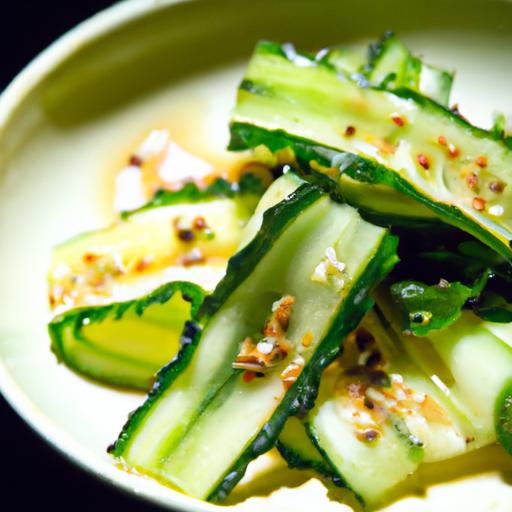
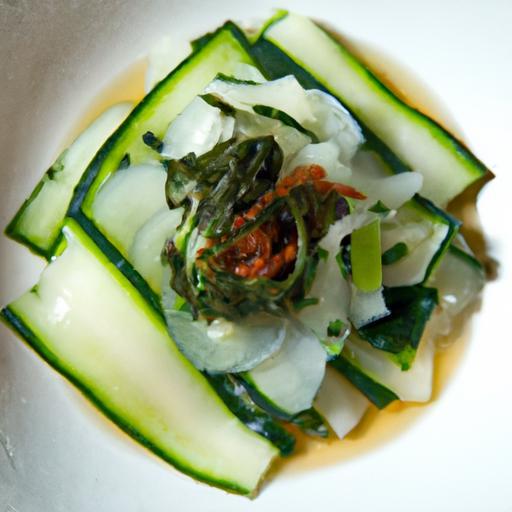
In the vibrant tapestry of Korean cuisine,where bold flavors and meticulous techniques intertwine,few dishes capture the essence of balance quite like Oiji Muchim. This humble bowl of seasoned pickled cucumbers, with its lively crunch and harmonious blend of spicy, tangy, and savory notes, is more than just a side dish-it’s a celebration of tradition and artistry. Oiji Muchim transforms the simple cucumber into a symphony of textures and tastes, inviting both novice and seasoned food lovers too experience the subtle mastery behind Korea’s beloved palate pleaser. Join us as we delve into the art of crafting this flavorful gem, uncovering the secrets that make Oiji Muchim an enduring star on Korean tables worldwide.
Oiji Muchim,the delightfully crisp and vibrantly seasoned pickled cucumber dish,carries a rich heritage within Korean culinary traditions. Rooted in centuries of Korean home-cooking, this seasoned cucumber salad not only refreshes the palate but also embodies the principle of balance so deeply valued in Korean cuisine-harmonizing spicy, sour, salty, and sweet notes in every bite. Growing up in a Korean household, Oiji Muchim was a staple on our dining table, its crunchy texture and fiery aroma sparking appetites for the main courses. It is indeed a dish that invites both a sensory experience and a cultural recognition, making it essential for anyone wanting to dive deeper into authentic Korean flavors.
Prep and Cook Time
- Preparation Time: 15 minutes
- Pickling Time: 30 minutes (or up to 2 hours for a deeper flavor)
- Total Time: 45 minutes
Yield
Approximately 4 servings
Difficulty Level
Easy – perfect for both Korean cuisine beginners and enthusiasts looking to broaden their homemade side dish repertoire.
Ingredients
- 4 small Korean cucumbers (about 12 ounces), washed and sliced into 2-inch pieces
- 2 teaspoons salt (preferably coarse sea salt)
- 1 tablespoon Korean chili flakes (gochugaru)
- 1 teaspoon sugar
- 1 tablespoon soy sauce
- 1 tablespoon rice vinegar
- 1 tablespoon sesame oil, toasted
- 2 cloves garlic, finely minced
- 1 teaspoon grated ginger
- 2 stalks of green onions, chopped finely
- 1 teaspoon toasted sesame seeds, for garnish
- Optional: 1/2 teaspoon fish sauce for umami depth
Instructions
- Salt the Cucumbers: In a large bowl, toss the cucumber pieces with salt. Let them sit for about 20 minutes-this draws out excess water,helping the cucumbers retain their crunch when pickled.
- Rinse and Drain: After 20 minutes, gently rinse the cucumbers under cold water to remove excess salt. Drain thoroughly and pat dry with paper towels to remove moisture. This step is key to preventing a soggy texture.
- Prepare the Seasoning: In a separate bowl, combine finely minced garlic, grated ginger, gochugaru, sugar, soy sauce, rice vinegar, and fish sauce if using. Stir until the sugar dissolves and the mixture is well blended.
- Mix Cucumbers and Seasoning: Add the dried cucumbers and chopped green onions to the seasoning bowl. Toss carefully yet thoroughly to ensure every cucumber piece is evenly coated.
- Finish with Sesame Oil: drizzle the toasted sesame oil over the mixture and gently fold it in to release the nutty aroma and deepen the flavor.
- Rest to Marinate: Allow the Oiji Muchim to rest at room temperature for at least 30 minutes before serving. For a more intense flavor, refrigerate for up to 2 hours. This resting period enhances the harmonious mingling of the vibrant spices.
- Garnish and Serve: Just before serving, sprinkle toasted sesame seeds over the top to add an extra layer of texture and visual appeal.
Tips for Success
- Selecting Cucumbers: Choose firm, small Korean cucumbers when possible, as they have a thin skin and fewer seeds, resulting in a crisp, tender bite.
- Adjusting spice Levels: Customize the heat by varying the amount of gochugaru; start with 1 tablespoon and increase for more intensity.
- Make-ahead: Oiji Muchim tastes best when made a few hours in advance or the night before, allowing flavors to meld beautifully.
- Vegan Adaptation: Replace fish sauce with additional soy sauce or a mushroom-based umami enhancer for a vegan-friendly version.
- Avoid Over-Salting: Salt draws out cucumber water; too much can make the dish overly salty, so measure carefully.
Serving Suggestions
This vibrant seasoned cucumber dish pairs wonderfully as a banchan (side dish) alongside Korean barbecue, bibimbap, or spicy stews like kimchi jjigae. Serve chilled on a small side plate or layered atop a bed of steamed rice for a refreshing textural contrast. Garnish with extra sesame seeds or a few thin slices of red chili for added color and zing. It also works beautifully as a crisp accompaniment to sandwiches or light wraps, introducing a burst of flavor with every bite.

Nutritional Facts per Serving
| Nutrient | Amount |
|---|---|
| Calories | 45 kcal |
| Protein | 1 g |
| Carbohydrates | 7 g |
| Fat | 2 g |
Embark on your journey through Korean flavors with this authentic Oiji Muchim recipe, and discover how a simple cucumber can be transformed into a spectacularly vibrant, traditional side dish.
For more traditional Korean recipes, explore our complete guide to Kimchi Recipes. To deepen your understanding of fermentation and pickling methods, visit National Geographic’s feature on fermentation science.
Q&A
Q&A: Oiji muchim – The Art of Korean Seasoned Pickled Cucumbers
Q1: What is Oiji Muchim?
A1: Oiji Muchim is a vibrant Korean side dish featuring cucumbers that have been lightly pickled and then tossed in a bold, flavorful seasoning. Unlike typical pickles, it’s a refreshing medley of tangy, spicy, and savory notes that awaken the palate with every crunchy bite.
Q2: How does Oiji Muchim differ from other Korean pickled cucumber dishes?
A2: While many Korean cucumber dishes like oi kimchi involve fermentation, Oiji Muchim is quicker to prepare, focusing on seasoning fresh or lightly salted cucumbers without lengthy fermenting. This results in a crisper texture combined with a punchy seasoning blend, making it an accessible yet deeply traditional banchan (side dish).
Q3: What are the key ingredients that give Oiji Muchim its signature flavor?
A3: The magic lies in the balance: thinly sliced cucumbers, a splash of vinegar or salted water for subtle pickling, a fiery kick from gochugaru (Korean red pepper flakes), brightness from minced garlic, a touch of sweetness via sugar or honey, savory depth from soy sauce or fish sauce, and a sprinkling of toasted sesame seeds for nuttiness.
Q4: Can you describe the texture and taste experience of Oiji Muchim?
A4: Imagine biting into a cucumber that’s crisp yet slightly yielding, bursting with tangy, spicy heat that’s tempered by a whisper of sweetness and an umami-rich background.The sesame seeds add a toasted crunch, while the garlic aroma lingers, making every forkful a delightful dance of textures and flavors.
Q5: How is Oiji Muchim traditionally served?
A5: This seasoned pickle often accompanies hearty Korean meals as a refreshing palate cleanser. It pairs wonderfully with grilled meats, stews, or rice dishes, adding brightness and complexity. Sometimes it’s also enjoyed as a quick snack or appetizer, shining in its simplicity.
Q6: Are there regional or seasonal variations of Oiji Muchim?
A6: Absolutely! Some regions may add julienned carrots or scallions for extra color and flavor. Seasonal tweaks might include incorporating young spring cucumbers for a milder taste or adjusting the spice levels during warmer months for a cooling effect. Each family’s recipe can vary slightly, showcasing personal and local twists.
Q7: How can someone make Oiji Muchim at home?
A7: The process is approachable: slice cucumbers thinly, sprinkle with salt and let them sit briefly to draw out moisture, then drain and gently squeeze. Next, mix gochugaru, garlic, soy sauce or fish sauce, sugar, vinegar, and sesame seeds into a vibrant dressing and toss the cucumbers until evenly coated. Let it marinate for 15-30 minutes before serving for the flavors to meld beautifully.
Q8: Why is Oiji Muchim considered an art in korean cuisine?
A8: The artistry lies in achieving harmony-balancing textures from crisp to tender, and flavors from spicy to sweet to savory, all in a humble cucumber dish. Mastery comes from subtle adjustments that honor tradition while expressing individual taste, encapsulating Korean culinary beliefs in a simple yet profound banchan.
Q9: what makes Oiji Muchim relevant in today’s global food scene?
A9: Its appeal is universal: fresh, healthy, and packed with flavor, Oiji Muchim fits perfectly into modern eating habits that value quick, nutritious, and exciting dishes. As Korean cuisine continues to captivate the world, this seasoned pickle shines as a perfect example of how simplicity can deliver bold, unforgettable taste.
Discovering Oiji Muchim is like finding a secret melody in Korean cooking-a dish that’s modest in appearance but rich in story and flavor. Whether you’re a seasoned foodie or a curious newcomer, this seasoned pickled cucumber invites you to experience the art of Korean seasoning in every refreshing bite.
The Way Forward
In the delicate dance of Korean cuisine, Oiji Muchim stands out as a vibrant testament to the art of seasoning and pickling. This humble dish,with its crisp cucumbers steeped in a symphony of spices,not only awakens the palate but also carries centuries of tradition in every bite. As you explore the layers of flavor and technique behind Oiji Muchim, you embark on a journey that celebrates both cultural heritage and culinary creativity.Whether enjoyed as a refreshing side or a bold accompaniment, these seasoned pickled cucumbers invite you to savor the essence of Korea-where simplicity meets sophistication in perfect harmony.